
Last updated November 16, 2026
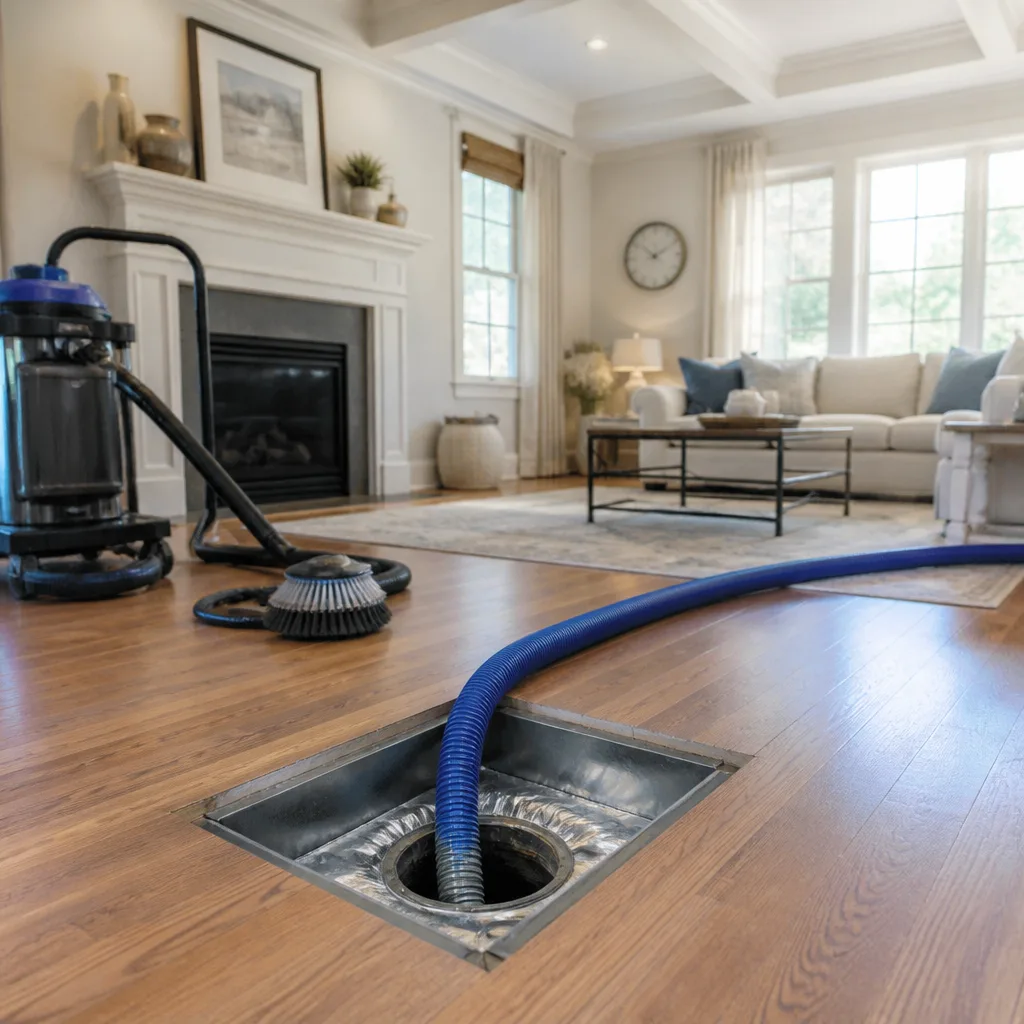 Whole-home duct cleaning
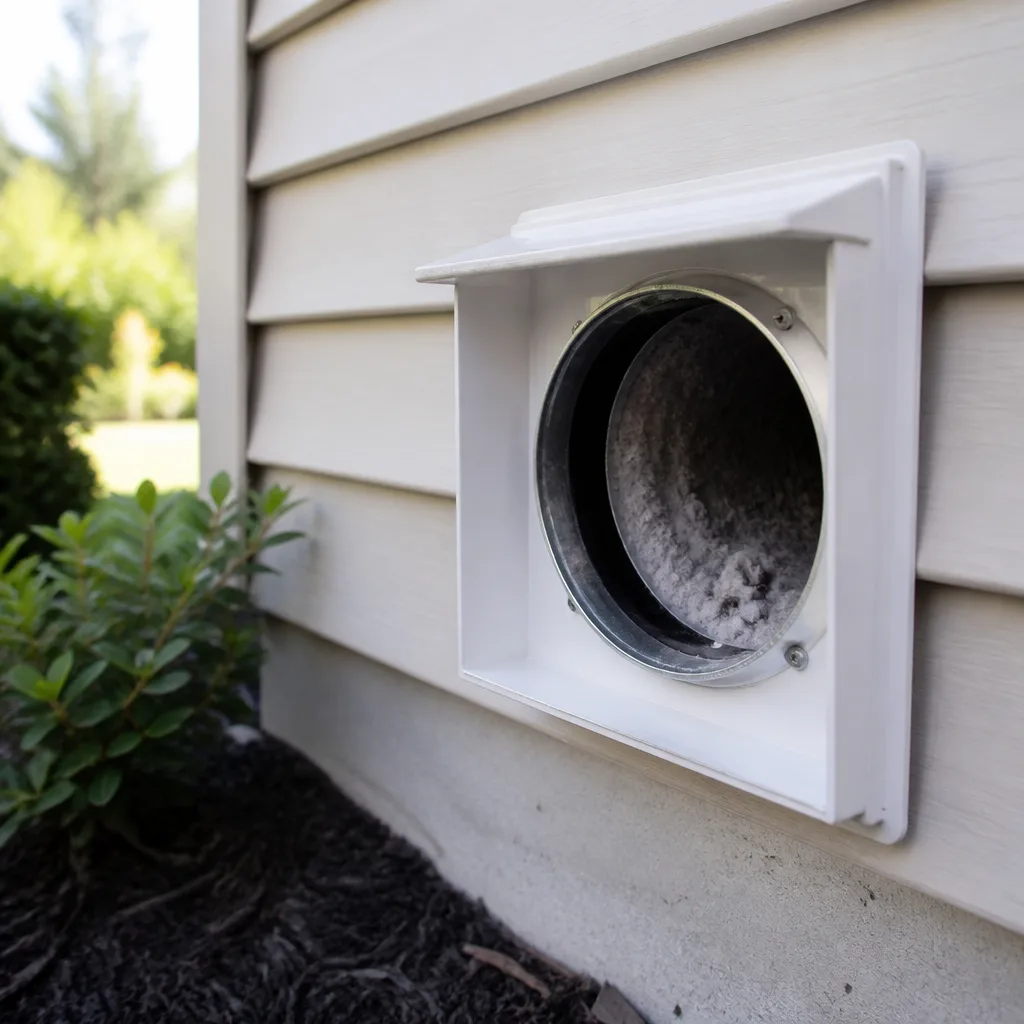 Dryer vent cleaning
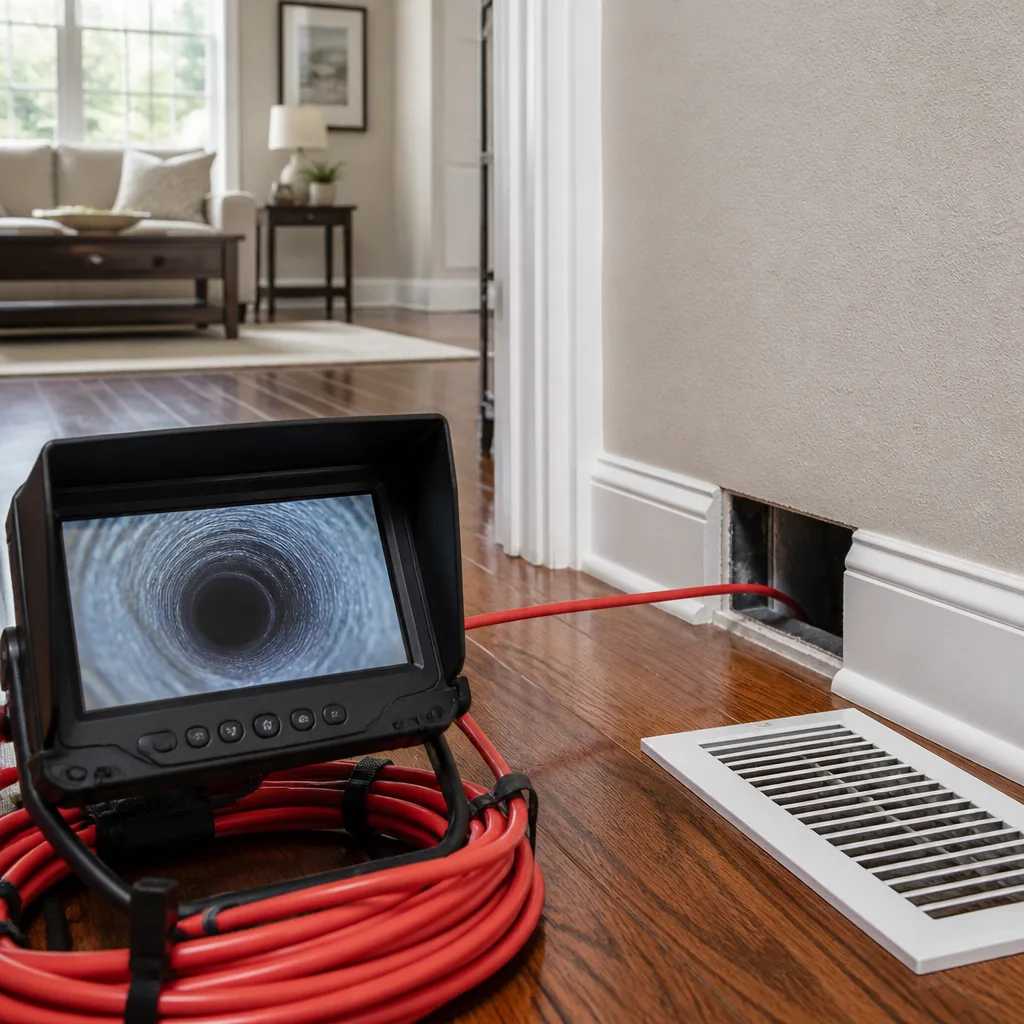 Camera inspection
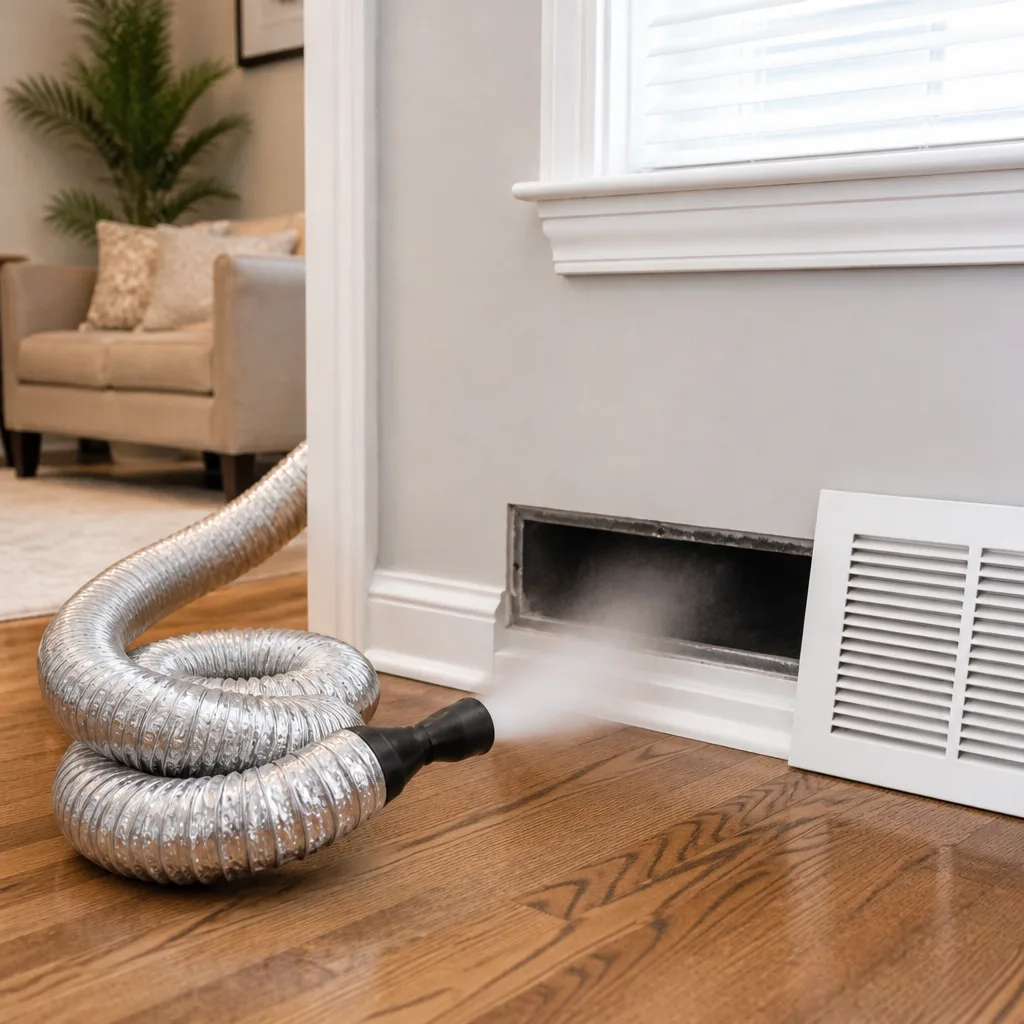 Sanitizing & deodorizing
Whole-system duct and dryer vent check with before-and-after photos - you see exactly what came out of your vents
That "$99 whole-house special" is a bait ad - the real number appears once they are in your hallway, or the "clean" is a shop-vac at the register. We photograph the inside of your ducts before and after instead.
Air Duct Cleaning Emergency Preparedness Guide for Enterprise Homes
Most homeowners in Enterprise think of duct cleaning as a cosmetic chore – something you schedule when the vents look dusty. That’s backwards. The ducts in a typical Enterprise home are a closed air system that runs every time the HVAC kicks on, pulling air across the coils, through the supply trunks, and out into rooms where people sleep and kids play. What accumulates in that system doesn’t stay put. In a desert climate where the cooling season is long and the outside air is dry and particulate-heavy, that buildup becomes part of the air you breathe.
This guide covers what actually prepares an Enterprise home for a duct-related emergency – the kind that shows up as a sudden airflow drop, a musty smell, a failed dryer vent, or a collapsed flex run. You’ll learn what to inspect, how to recognize a developing problem, what to check before you call anyone, and why the right equipment matters. We’ll also explain how the process works at a technical level so you can ask better questions. Duct Cleaning Enterprise wrote this because too many homeowners learn about their ductwork only after something breaks.
Quick Answer
Air duct cleaning emergency preparedness for Enterprise homes means knowing three things: how to spot a failing duct system before it becomes a health or safety problem, which situations require an immediate professional call, and what a proper professional cleaning involves so you don’t get a superficial job. The highest-risk duct emergency in an Enterprise home is a clogged dryer vent, followed by disconnected or crushed flex duct behind walls and in attics where summer heat accelerates deterioration. A structured inspection plan, a professional-grade cleaning with containment equipment, and the ability to fix damaged ductwork – not just clean it – is the full preparedness stack.
Styles & brands we work with
- Whole-home duct cleaning
- Dryer vent cleaning
- Camera inspection
- Sanitizing & deodorizing
Table of Contents
- Why Air Duct Emergencies Happen in Enterprise
- The Dryer Vent Problem Every Homeowner Underestimates
- How to Inspect Your Own Duct System: A Yearly Walkthrough
- What a Professional Duct Cleaning Actually Involves
- How to Spot Duct Damage Before It Becomes an Emergency
- Why Equipment Matters: Rotobrush and Nikro in Plain Terms
- What to Do After a Duct-Related Emergency
- Building a Yearly Preparedness Plan
Why Air Duct Emergencies Happen in Enterprise
Enterprise is high desert, and that shapes everything about how ductwork ages. Outside air here carries fine dust and grit most of the year. The cooling season is long – the system runs hard from spring through fall – and that prolonged runtime pushes more air through dirty filters and compromised duct joints than a system in a milder climate would ever see. Attic temperatures in Enterprise climb high enough through summer to stress flexible duct runs, sealant, and connections that were fine when they were installed.
Three forces drive most emergencies:
- Particulate overload. Fine desert dust bypasses cheap filters, coats the inside of return trunks, and eventually restricts airflow. A system working harder to move the same air overheats components and shortens its own life.
- Thermal cycling. The attic-to-living-space temperature swing in Enterprise is wide. Flex duct, mastic, and foil tape all expand and contract. Seams give way, and duct sections separate.
- Biological growth in the wrong conditions. When moisture from an oversized or short-cycling cooling system combines with dust on a coil or in a plenum, you get microbial growth that gets distributed through the entire system. That’s not a cleaning problem – it’s an air quality emergency.
The unprepared part is that most homeowners only discover these issues when the system fails. A regular inspection cadence, combined with a professional cleaning when conditions call for it, moves you from reactive to prepared. We see the difference in Enterprise between homes that have had a proper cleaning and those that haven’t – the airflow, the coil condition, and the smell usually tell the story before any gauge does.
The Dryer Vent Problem Every Homeowner Underestimates
A clogged dryer vent is the single most dangerous duct problem in a home, and it’s the one most homeowners never think about. Lint is highly combustible. When it accumulates inside the vent line, the heat from the dryer has nowhere to go. That is a fire risk building up every time the dryer runs, and it’s largely invisible.
In an Enterprise home, the vent run often exits through a wall to the exterior and travels a distance that’s longer than a straight shot. The more bends in the line, the faster lint collects at each turn. Here’s what to check on your own:
- Check dry time. If a typical load now takes meaningfully longer than it used to, the vent is likely restricted.
- Feel the exterior termination. With the dryer running, put your hand near the outside flap. Strong airflow is good. Weak or no airflow means a problem.
- Inspect the flexible transition behind the dryer. The short section connecting the dryer to the wall is where crushing and lint buildup start.
- Look for lint in the termination hood. Visible lint accumulation at the outside flap is a sign the whole run needs professional clearing.
If any of these checks concern you, stop using the dryer until the line can be cleared. A blocked line is not a maintenance item you can defer. Duct Cleaning Enterprise treats dryer vent cleaning as a safety service, not a convenience – it’s the fastest way to remove the accumulation and verify the run is clear end to end. If you’re in Enterprise and unsure whether your vent is restricted, that’s a reasonable call to make.
How to Inspect Your Own Duct System: A Yearly Walkthrough
You can do a meaningful visual inspection of the accessible parts of your duct system without touching anything dangerous. This yearly walkthrough gives you the information a professional needs and can catch problems before they escalate.
- Open the return grille. With the system off, lift the return air grille and look at the filter slot and the first section of duct visible behind it. Heavy dust buildup on the filter housing means the filter isn’t catching it all – check that the filter is the right size and seated right.
- Look into the supply registers. Shine a light into a supply register and check for visible dust streaks, dark patches, or debris in the duct. Some dust is normal. Thick, fluffy accumulation and dark spots are not.
- Walk the attic if you have one. From a safe vantage point, look for crushed flex duct (it should be round or oval, never flattened), separated connections, or tears in the outer wrap. Don’t crawl into tight spaces or move insulation unnecessarily – just look.
- Check the dryer vent. Do the airflow and lint checks described above.
- Note smells. A musty or dusty smell that appears when the system comes on, and fades when it’s off, means something in the ducts or on the coil is releasing odor into the airstream.
- Listen for changes. Whistling at a register often means restriction. A rattle or a hum that wasn’t there before often means the blower is working against resistance.
Write down what you find and date it. Pattern-finding is how you get ahead of a duct problem. If the same register is weak two years running, that’s a story. One key rule: never open a furnace or air handler cabinet yourself, and never reach into ductwork with your hand. That equipment contains live electrical connections and moving parts. Visual inspection only.
What a Professional Duct Cleaning Actually Involves
A proper duct cleaning is a process, not a pass with a vacuum. The goal is to dislodge accumulated particulate from all interior surfaces of the duct system and capture it before it escapes into your living space. That second part – capture – is where most discount operators fall short, and it’s why the equipment distinction matters.
Here’s how a professional cleaning should run:
- System assessment. Identify duct materials, layout, register count, and any damaged or disconnected sections. Repair needs come to the surface here.
- Containment setup. Air filtration equipment placed in the work area keeps disturbed particulate out of the occupied home. Duct Cleaning Enterprise deploys Abatement Technologies air scrubbers during jobs for exactly this step – it’s a containment control most competitors skip entirely.
- Source evacuation. High-capacity HEPA-rated vacuum equipment connects to the duct system to put negative pressure on the run while cleaning.
- Mechanical agitation. A rotary brush system travels the interior of the ducts, freeing the particulate that has bonded to the walls. This is the step that separates real cleaning from surface work.
- Register and trunk cleaning. Supply and return openings, trunk lines, and the plenum get individual attention.
- Verification. Before-and-after photos of the duct interiors. If a provider isn’t photographing the work, ask why.
Air duct cleaning performed this way removes the built-up particulate that’s been circulating in your Enterprise home. It also produces an honest assessment of condition – and that’s where repair needs become clear.
How to Spot Duct Damage Before It Becomes an Emergency
Damaged ductwork is a quiet failure. The system keeps running, but it’s leaking and pulling in unconditioned attic air and particulate. In Enterprise, where attic heat is extreme, that leakage matters more because the temperature delta is larger.
These are the signs that point at a duct problem rather than a dirty filter:
- Rooms that never get comfortable. A room that’s consistently warmer or cooler than the rest of the house often sits at the end of a run that’s crushed or disconnected.
- Pressure drops at specific registers. Strong airflow at some registers and weak at others, in the same house, is a distribution problem, not a blower problem.
- Dust settling faster than it used to. Increased dust on furniture and surfaces after air handler service or duct work can mean a section of duct has opened up in the attic.
- A musty smell in a specific room only. Damaged duct that’s pulling from an unconditioned space can carry attic odor into one room at a time.
- Visibly collapsed or separated flex duct. If you’ve seen this during a walkthrough in your attic, it’s impacting efficiency right now.
Here’s the practical advantage of dealing with a duct cleaning and repair specialist: cleaning without repair still leaves the leak, and repair without cleaning leaves the accumulated particulate. These need to happen together to actually solve the problem. Duct Cleaning Enterprise handles both, which means there’s no handoff to a second contractor when damage turns up mid-job. If you’re dealing with any of the symptoms above, Henderson-area homeowners find the free estimate step is the fastest way to get a real answer.
Why Equipment Matters: Rotobrush and Nikro in Plain Terms
The equipment question is the one homeowners ask least and should ask first. The gap between a professional duct cleaning and a superficial one comes down to what’s in the truck and how it’s operated.
Rotobrush is a rotary brush system – a motorized brush head that travels through the duct and mechanically disturbs the bonded particulate from the duct walls. It reaches surfaces a wand cannot. Nikro is HEPA-rated vacuum equipment built to put high suction on a duct run and capture what’s freed. Both are industry-standard professional tools. Neither is a shop vacuum with an attachment.
Then there’s containment. Abatement Technologies air filtration units work the same way hospital-grade air scrubbers do – they pull air through high-efficiency filters and recirculate it, controlling the particulate in the working space. When you’re cleaning a duct system in an occupied home, that step protects the people in the house. It’s also the step most discount operators don’t have the equipment to do.
Whole-system air quality is where this all connects. Duct Cleaning Enterprise works with Honeywell and Aprilaire air-quality products, so our understanding of a home’s air comes from knowing the entire chain – from the filter to the register. That context matters when the question turns to filtration upgrades, humidity control, or the right filter for the blower’s capacity. Our technicians have up to 8 years of experience, and the process is the same on every job: professional-grade Rotobrush cleaning, Nikro HEPA capture, Abatement containment, and before-and-after photos you can look at yourself.
What to Do After a Duct-Related Emergency
An emergency in this context usually means smoke, moisture, or a failed run. Smoke from a nearby wildfire makes it through the return system. A roof leak floods a section of duct and insulation. A flex run collapses inside a wall. Each needs a specific response.
Here’s how the sequence should go once the immediate hazard is handled:
- Shut the system off. If the concern is smoke, moisture, or visible damage, stop running the HVAC so you don’t push the problem through the house.
- Call for a professional assessment. A duct system that has taken on smoke, moisture, or structural damage needs an inspection before it’s safe to run.
- Get the duct system cleaned and inspected. Post-smoke-event duct cleaning is standard procedure – the particulate has to be removed from the interior surfaces before the system is put back in service.
- Repair the damage. Disconnected, crushed, or moisture-damaged duct sections need to be fixed before the system can work correctly. Duct Cleaning Enterprise identifies and repairs this as part of the same service.
- Change the filter and have the HVAC checked. An event that pushed particulate into the ducts also loaded the filter and coil. Confirm the air handler is clean.
Don’t run a system after water infiltration without an inspection. Moisture plus dust plus a warm dark duct interior is exactly what biological growth needs. And don’t assume a shop vacuum run through the registers solves a smoke event – it doesn’t reach the trunk lines or move bonded particulate.
Building a Yearly Preparedness Plan
Preparedness for duct issues is a calendar, not a document. The plan you want is simple enough to actually follow:
- Replace the HVAC filter on the manufacturer’s schedule. In an Enterprise home, the filter is being taxed year-round, so don’t extend the interval. Note the date you change it.
- Check the dryer vent every six months. Dry time check, exterior airflow check, lint check. If any of the three concern you, it’s time for professional vent cleaning.
- Do a yearly visual walkthrough using the steps above – return grille, supply registers, attic view, smell check.
- Schedule a professional duct inspection on a regular interval. If you’ve never had a professional assessment of your duct system, the first one gives you the baseline everything else is measured against.
- Get duct repair issues handled when they’re small. A crushed flex section is a quick fix early and an efficiency problem for years if ignored.
- Act fast after smoke, water intrusion, or pest activity. These are the events that actually stress a system.
As a reference point for the frequency question: households with pets, allergy concerns, or heavy dust loads benefit from more frequent professional cleaning, while quieter households can go longer between intervals. An inspection will tell you which category you’re in. Duct Cleaning Enterprise works from a process-first approach – if you’re planning for the year ahead in Enterprise, a written assessment gives you a concrete schedule to follow.
Common Mistakes to Avoid
- Treating duct cleaning as cosmetic. Duct cleaning is about removing the particulate that’s been pulled through the air your house breathes, not making the vents look pretty. The visual check is the last step, not the first.
- Ignoring the dryer vent. Lint accumulation in a dryer vent line is a fire risk, and in Enterprise homes with longer vent runs it’s easy to miss. Half the duct emergencies homeowners call about come from this one component.
- Calling the lowest bid first. A couple hundred dollars for a whole system is not a cleaned duct system – that’s a shop-vac pass that won’t move bonded particulate. The equipment required to actually clean ductwork costs more to own and operate, and that’s why the price is what it is.
- Hiring a cleaner who can’t repair. In Enterprise, flex duct that’s crushed or disconnected is common after years of thermal cycling. A cleaning-only provider will notice and leave, and you’ll need a second contractor for the fix.
- Signing off without before-and-after photos. If a technician can’t show you what the ducts looked like before and after, the job was not verified. Photos are how you confirm the work was actually performed.
- Waiting to address a smell. A musty smell that appears only when the system runs is a signal. Don’t assume it’s seasonal or a filter issue before someone looks inside the duct.
- Running the system after a smoke or water event. The instinct is to keep the house comfortable, but this pushes particulate or moisture further through the system. Shut it down and get an assessment first.
See the difference
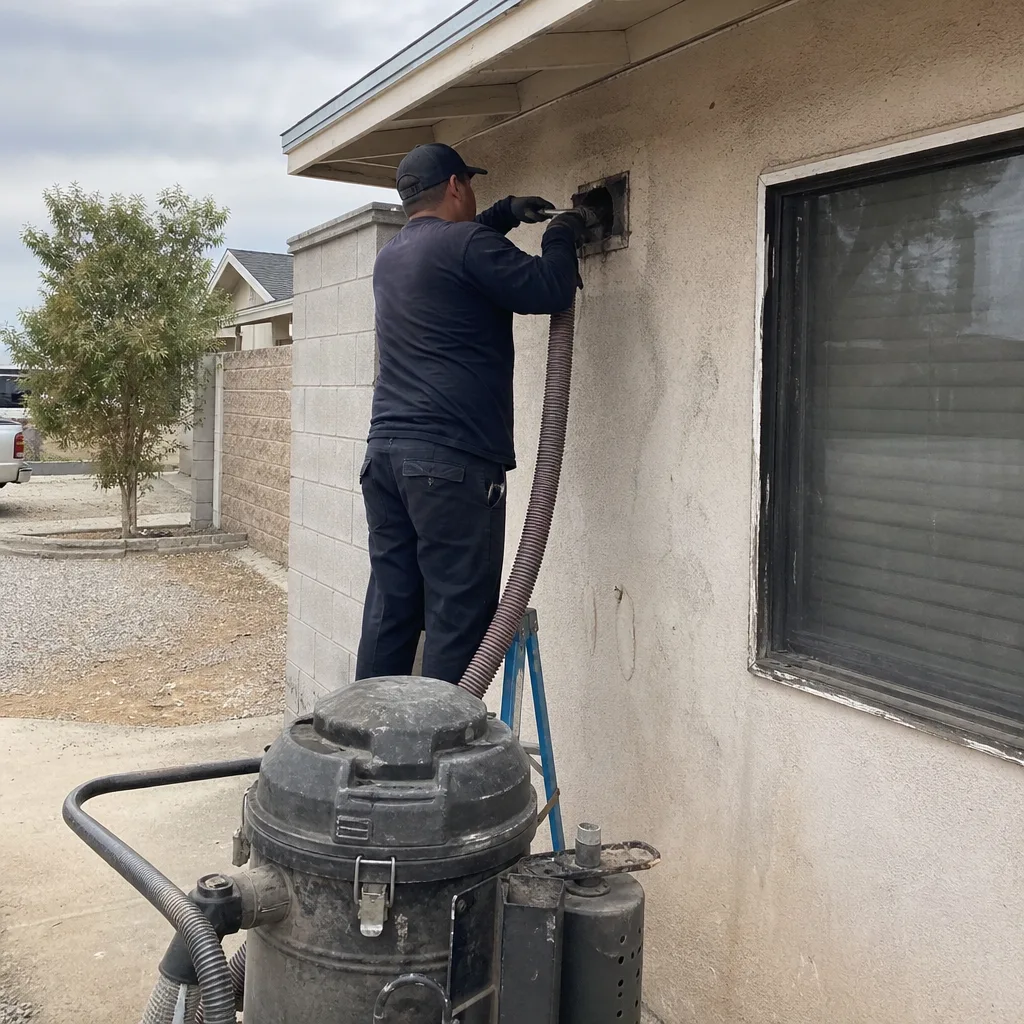 Before
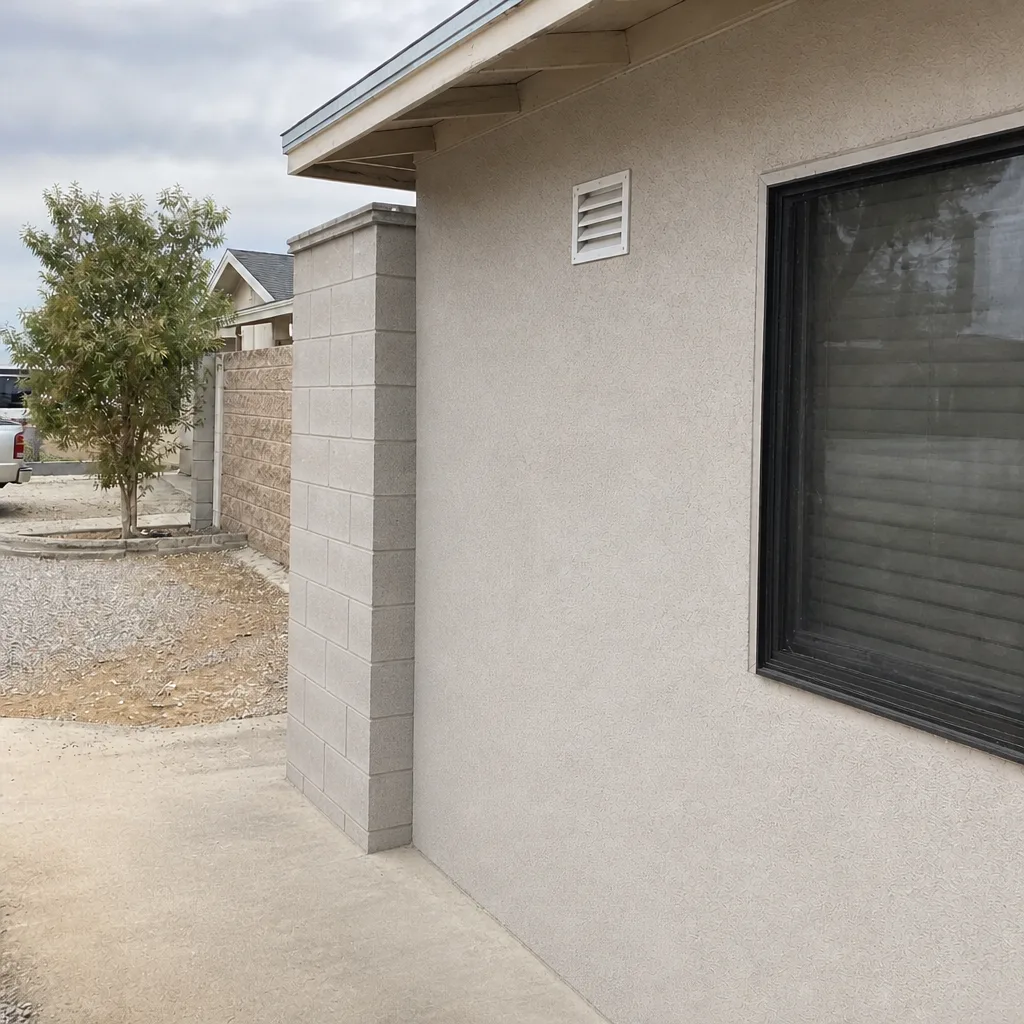 After
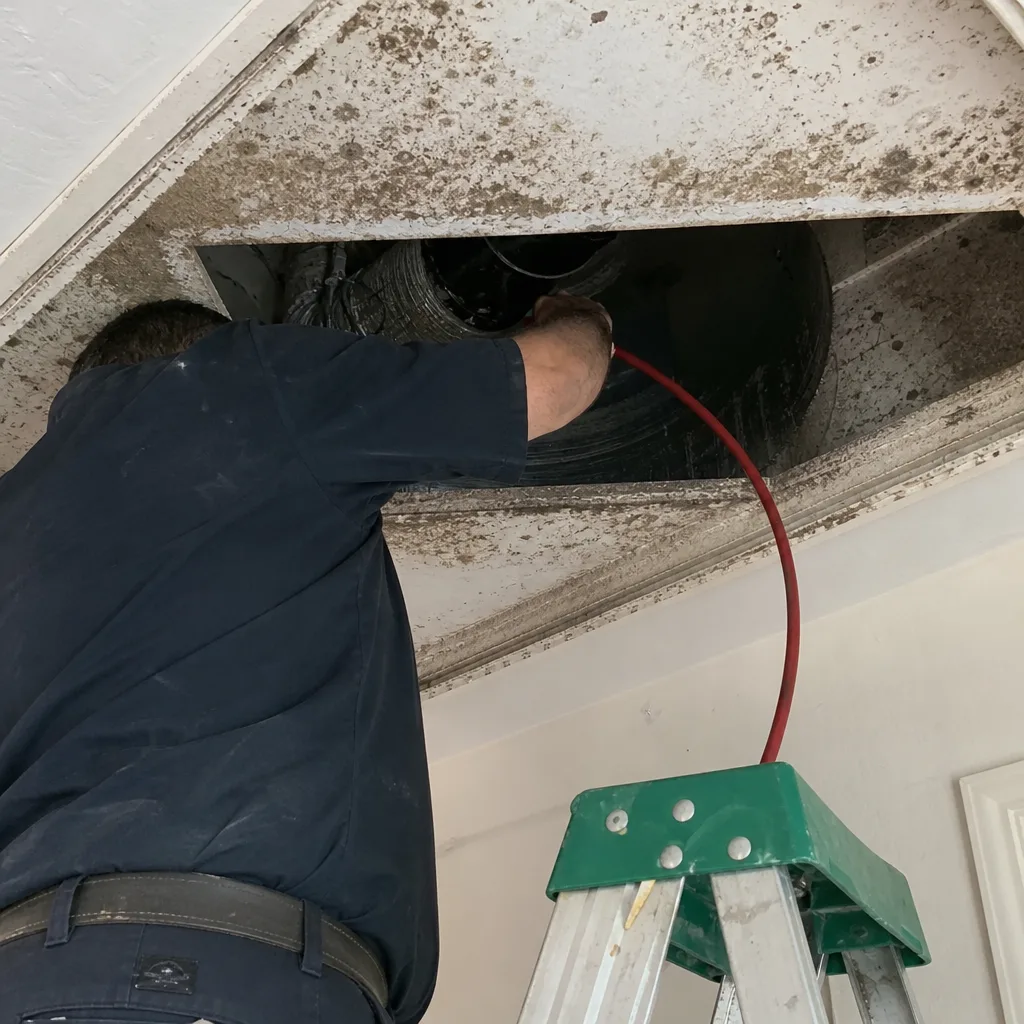 Before
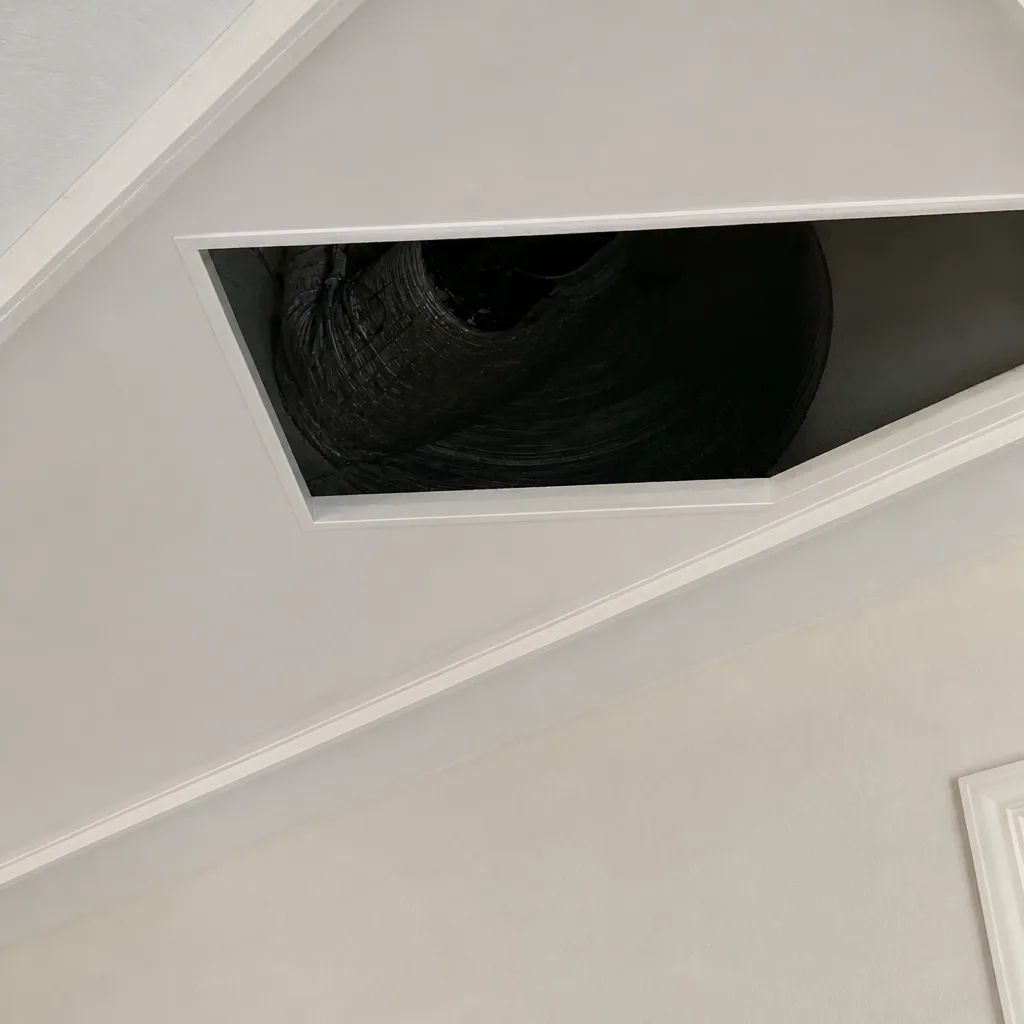 After
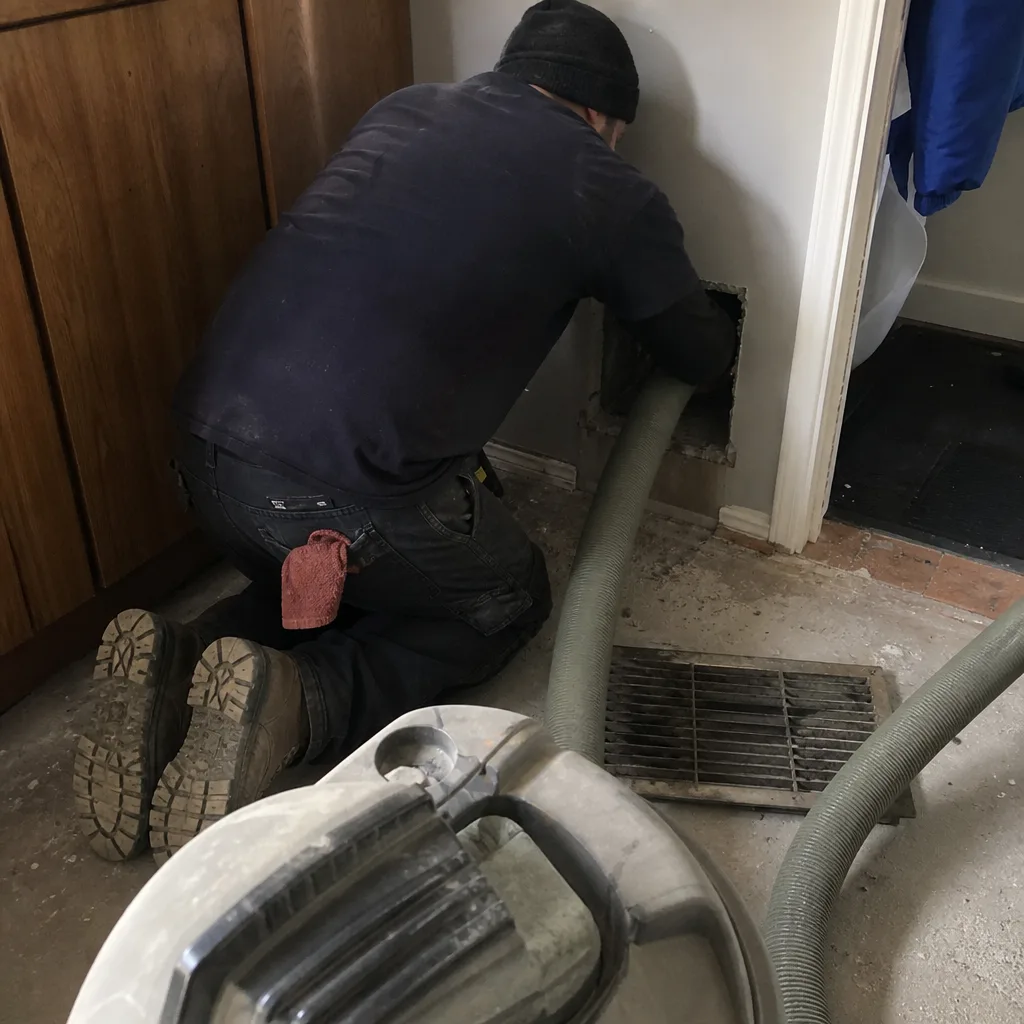 Before
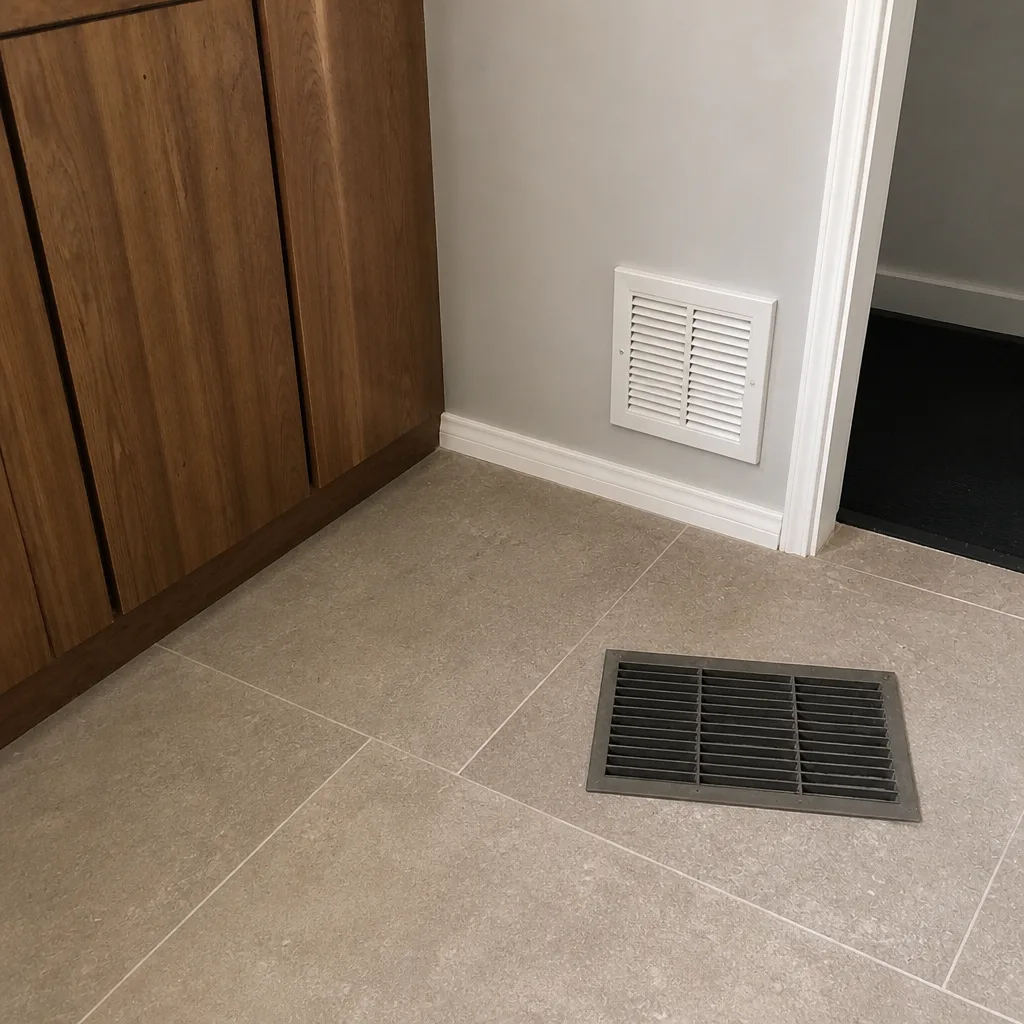 After
When to Call a Professional
There are specific situations in Enterprise where a professional call is the right answer rather than a wait-and-see. Call now if any of the following applies: your dryer takes significantly longer to dry a load than it used to; airflow at one or more registers has dropped noticeably; there’s a musty odor that appears only with the system; you’ve had water damage, a roof leak, or smoke intrusion affecting the ductwork; you can see crushed or separated ductwork in the attic; or you’ve never had a professional assessment of your duct system and you’ve been in the home more than a few years. Duct Cleaning Enterprise offers free estimates in Enterprise – call (855) 684-4882. We answer 24/7. Fast dispatch from 7am to 7pm, Sunday through Friday.
Frequently Asked Questions
Most Enterprise homes benefit from a professional duct cleaning every few years, with the frequency shaped by pets, allergy concerns, dust load, and whether there have been smoke, water, or pest events. A yearly visual walkthrough tells you when the interval needs to shorten. If you’ve never had the system professionally assessed, a first cleaning establishes the baseline. Call (855) 684-4882 for an exact quote – estimates are free.
Pricing is per system, not per vent or per hour, and it depends on system size, register count, duct condition, and whether repair work is needed. We quote a flat price for the system and agree it before any work begins. That’s the opposite of the coupon-and-upsell structure that made this industry untrustworthy. Before-and-after photos of your own ducts come with every job. Call (855) 684-4882 for an exact quote – estimates are free.
Because the work is different. A low quote is usually a shop-vac pass through the visible registers, without rotary-brush agitation and without containment. That leaves the bonded particulate and the trunk lines untouched. Duct Cleaning Enterprise cleans with Rotobrush and Nikro equipment and deploys Abatement Technologies air scrubbers during the job, and the quoted price reflects that equipment and process. Call (855) 684-4882 if you have questions about how a quote compares.
Ask for before-and-after photos of your duct interiors. That’s the verification step and it should come standard. If a provider won’t produce them, that’s your answer on whether the work was real. Photos plus an agreed whole-system price before work starts are the two safeguards that matter. Call (855) 684-4882 to schedule a job that comes with both.
Yes, and that’s why single-provider coverage matters. When damage is found mid-job, a cleaning-only provider stops and hands the issue back to you, and a repair-only contractor leaves the particulate in place. Duct Cleaning Enterprise cleans and repairs, so the leak and the accumulated dust get handled in one visit. Call (855) 684-4882 to have both evaluated in one estimate.
We answer 24/7. A call outside dispatch hours is booked into the next opening, Sunday through Friday, 7am to 7pm. We’re closed Saturday. For safety-first situations like a blocked dryer vent, stop using the affected appliance until the line can be cleared and call (855) 684-4882.
The Bottom Line
Air duct preparedness in Enterprise comes down to three things: understanding what your system is doing, knowing the warning signs before a failure, and having a real process ready when something happens. The dryer vent is the safety priority, the visible inspection is the early-warning system, and professional-grade cleaning with containment and repair is the solution when the system needs work. A whole-system flat price agreed before work begins, verified with before-and-after photos, is how you avoid the upsell structure this industry is known for. Call (855) 684-4882 to schedule a free estimate. We answer 24/7, with fast dispatch from 7am to 7pm, Sunday through Friday.
Written by the team at Duct Cleaning Enterprise.