
Last updated November 16, 2026
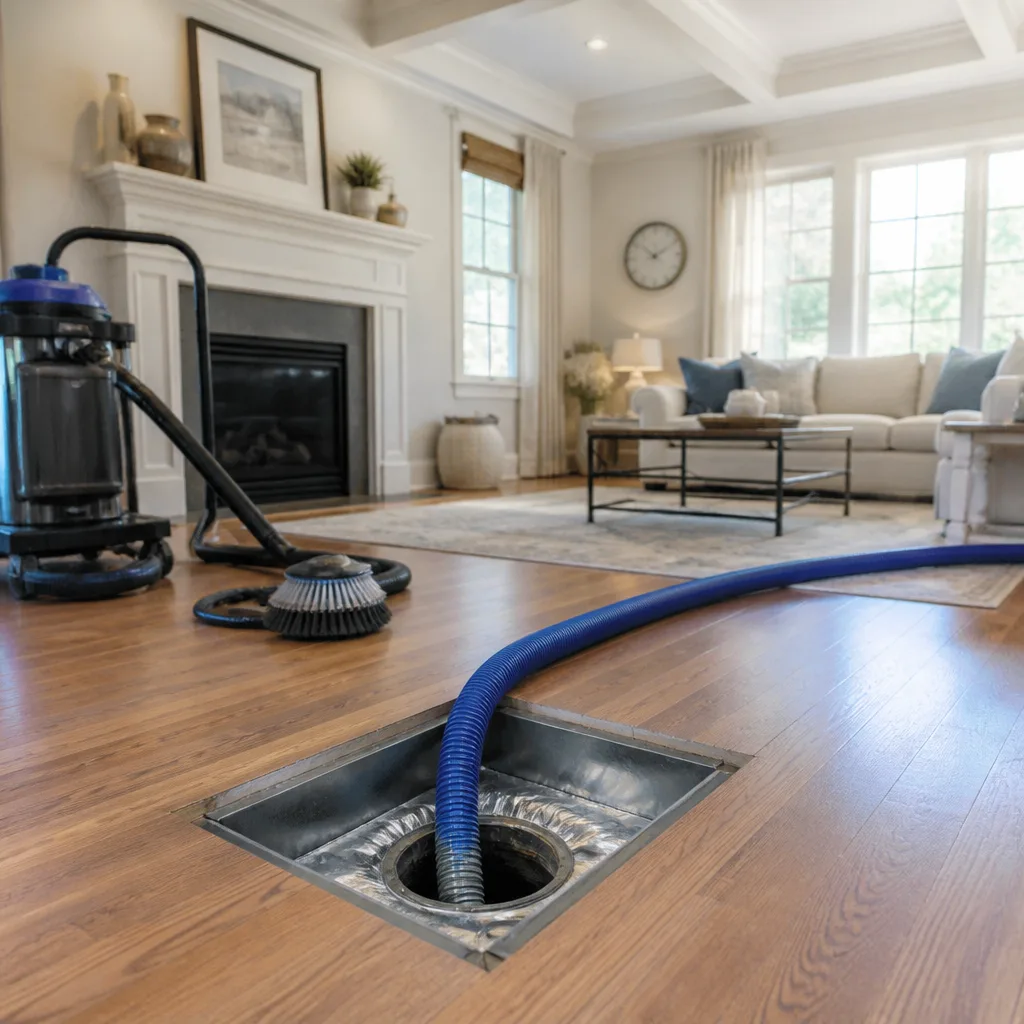 Whole-home duct cleaning
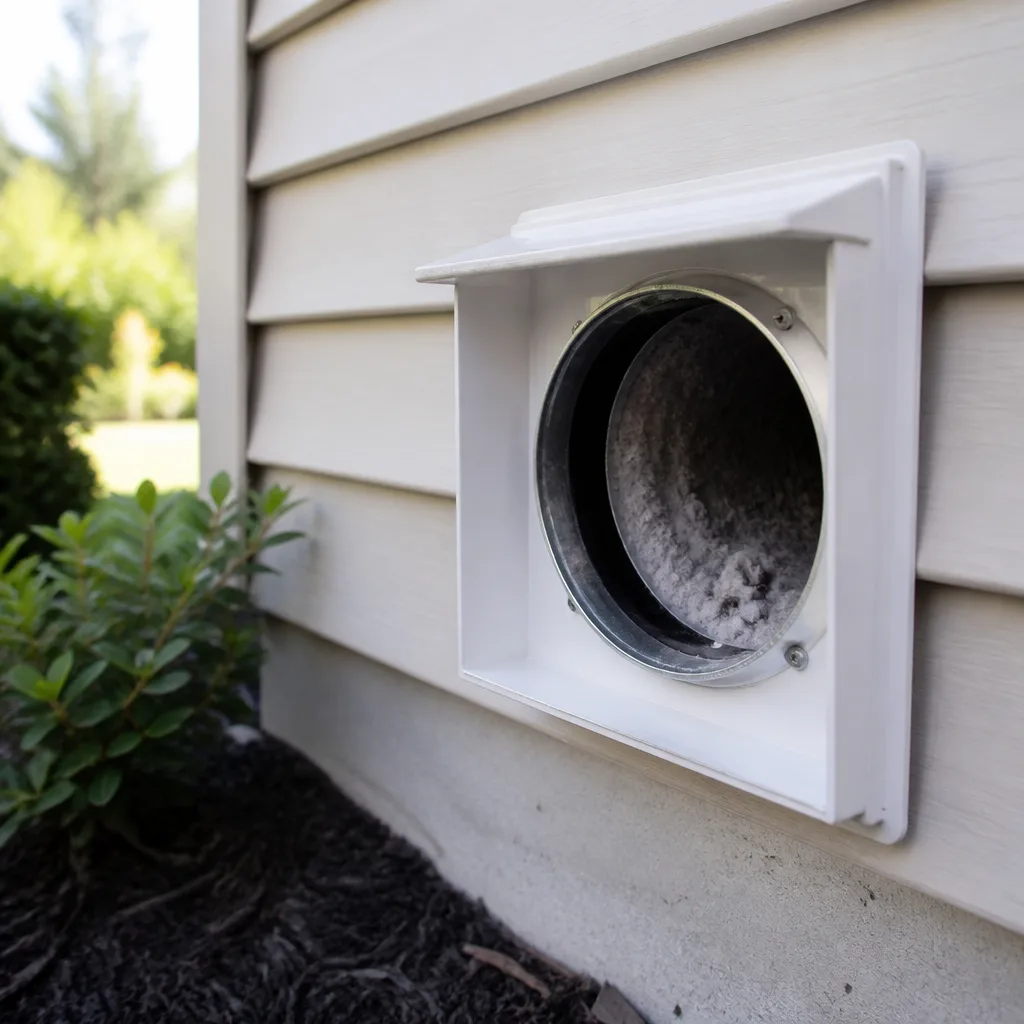 Dryer vent cleaning
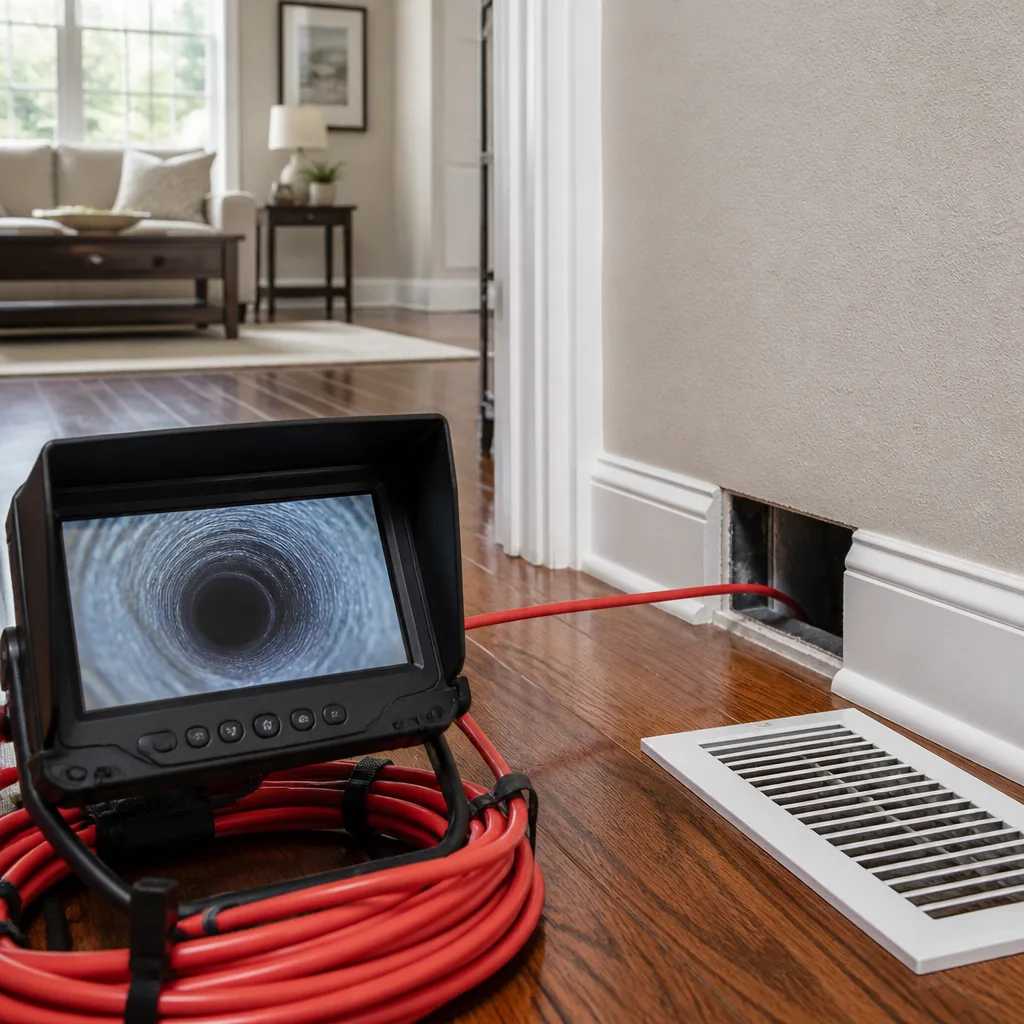 Camera inspection
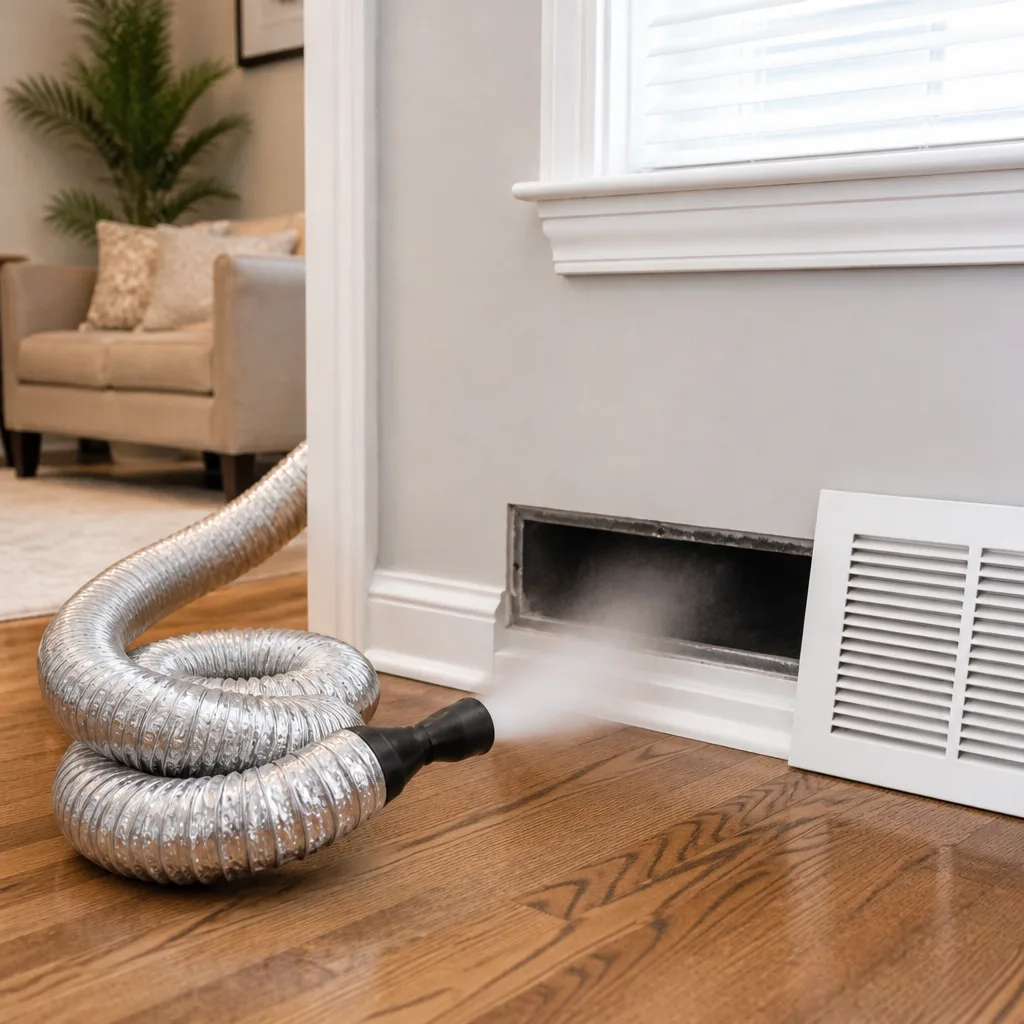 Sanitizing & deodorizing
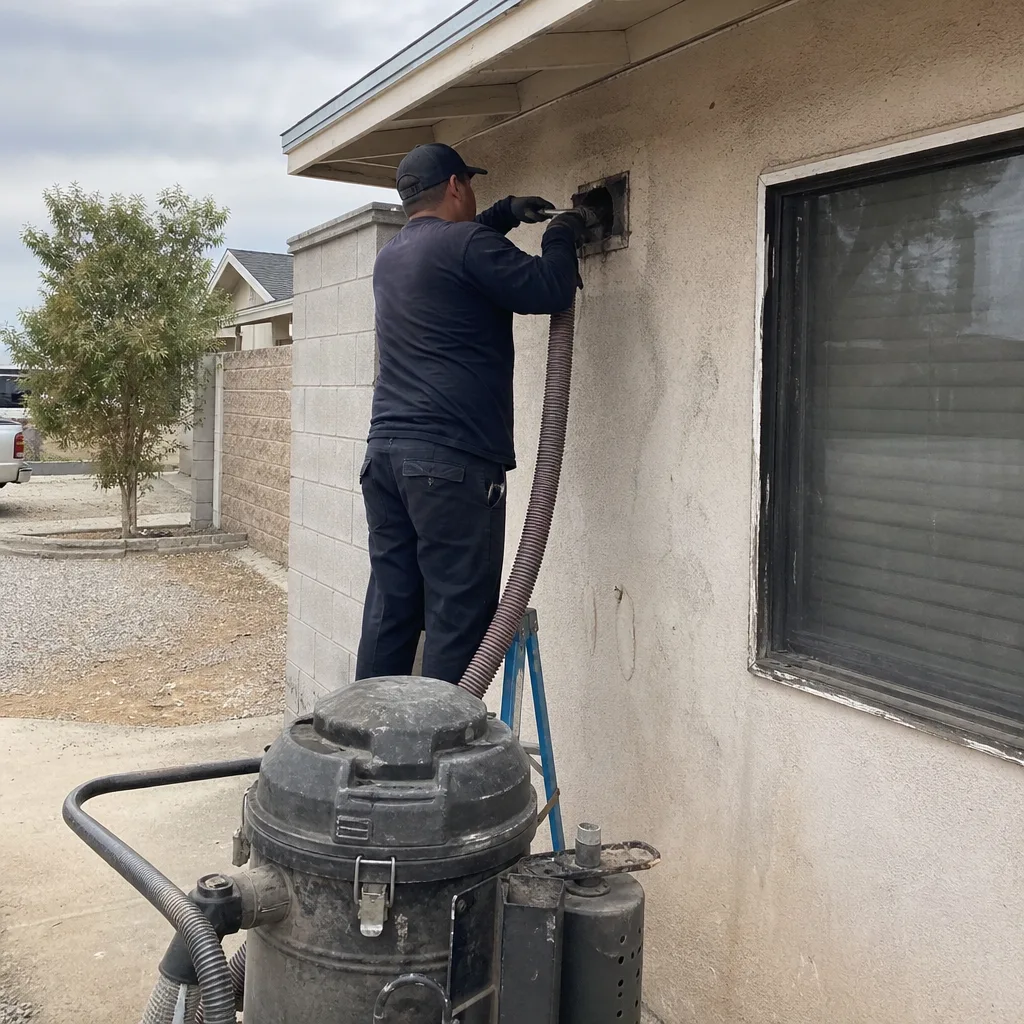
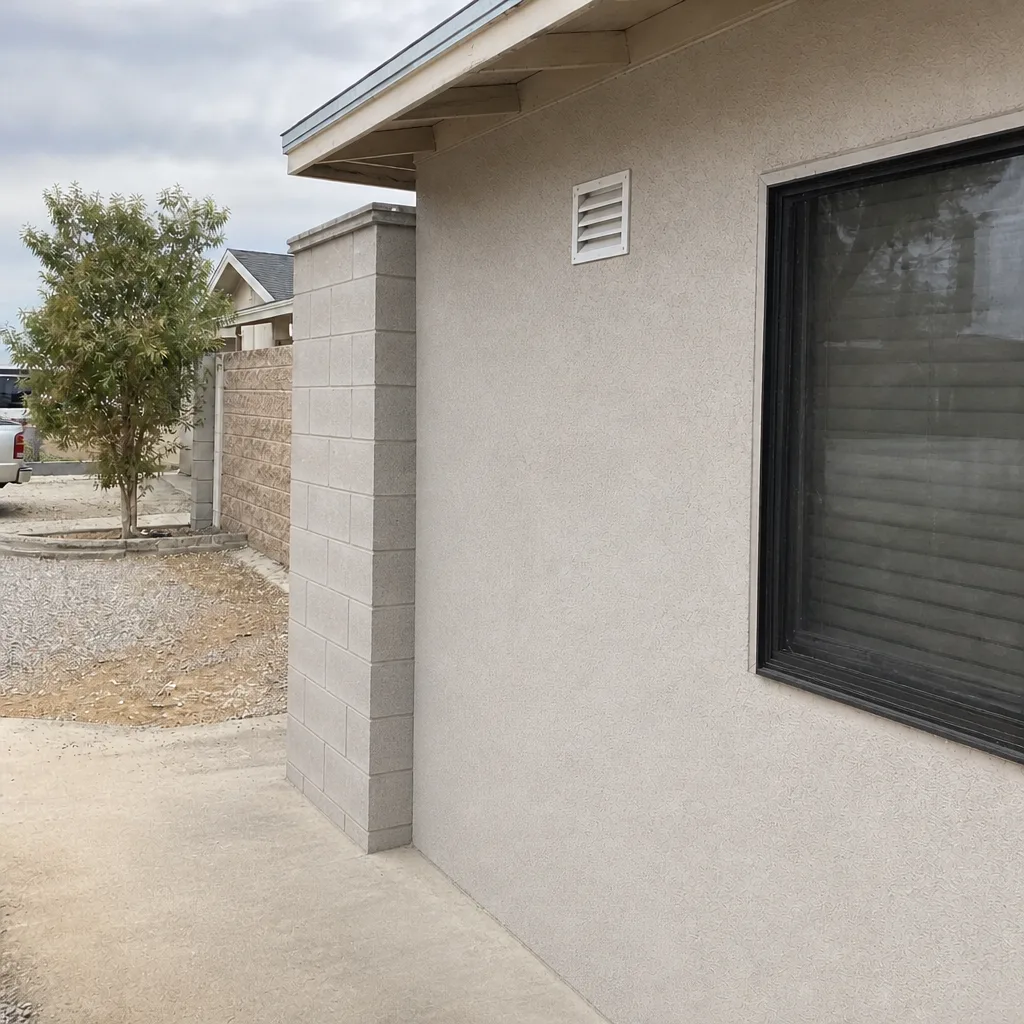
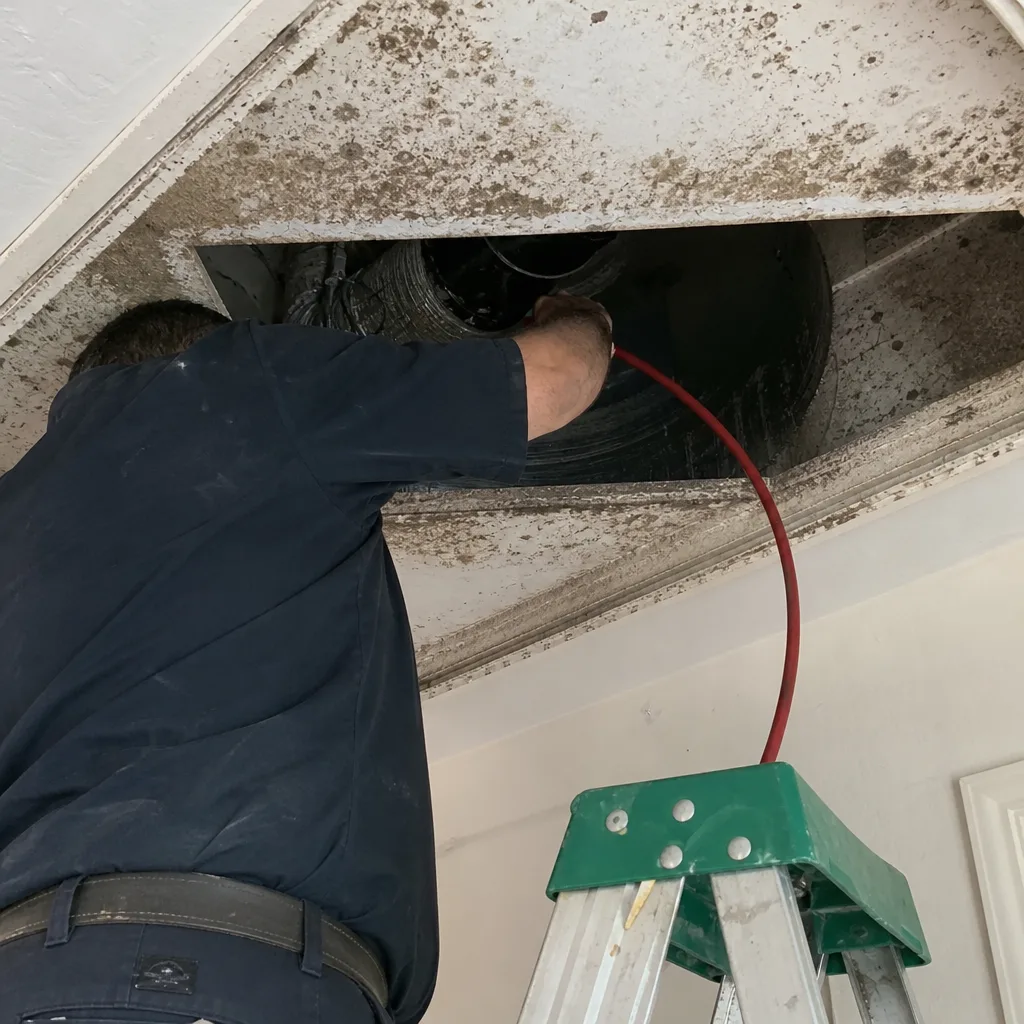
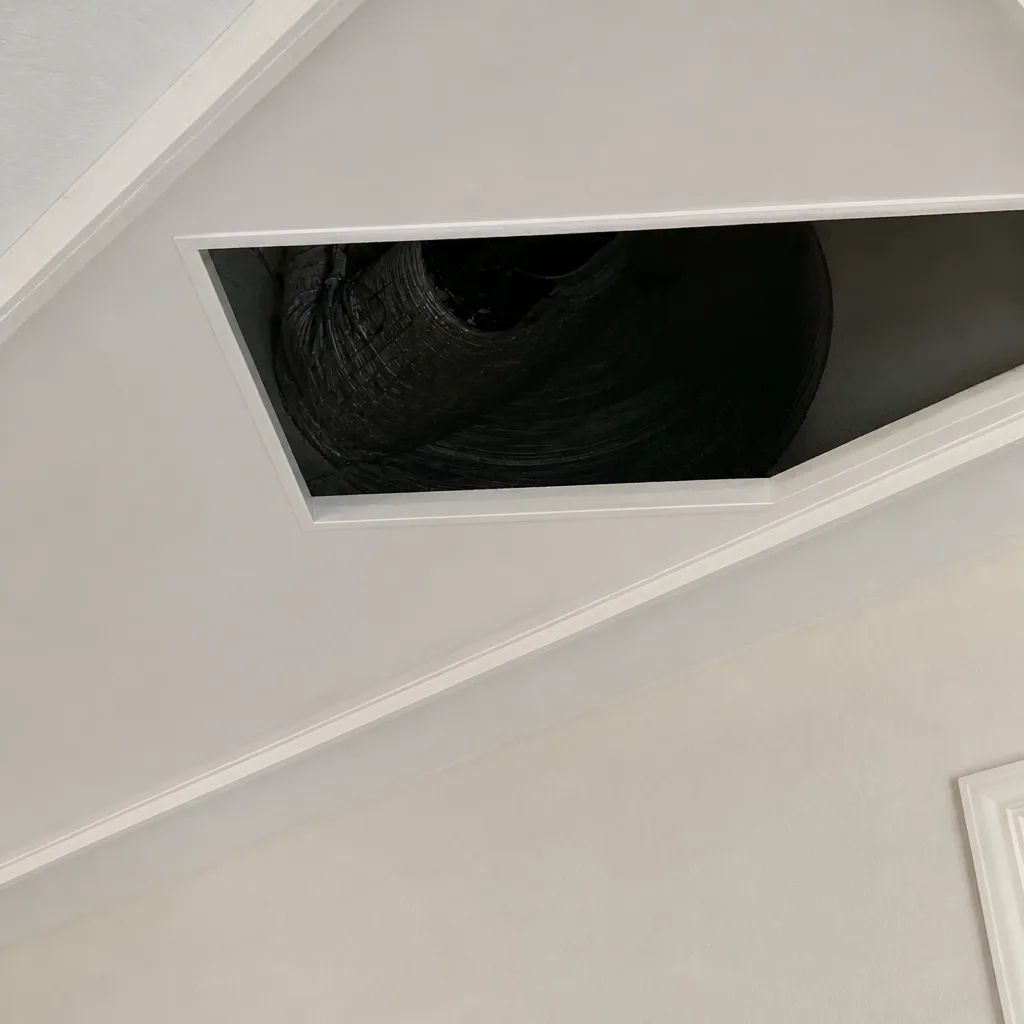
Whole-system duct and dryer vent check with before-and-after photos - you see exactly what came out of your vents
That "$99 whole-house special" is a bait ad - the real number appears once they are in your hallway, or the "clean" is a shop-vac at the register. We photograph the inside of your ducts before and after instead.
Seasonal Air Duct Cleaning Care for Enterprise: Year-Round Homeowner’s Guide
Most homeowners treat duct cleaning like a once-every-few-years chore, scheduled whenever a discount flyer happens to land in the mailbox. In Enterprise, that approach quietly costs you. This desert valley doesn’t get four balanced seasons. It gets two punishing ones, summer heat that runs your air handler hard from May into September, and a short cold stretch in winter, separated by brief mild windows that close faster than you expect. Your ducts collect a full year of dust, pet hair, and construction grit during the cooling season alone. This guide walks through how Enterprise’s climate actually treats your ductwork, why late March and late October are the two windows worth planning around, and what to check at each seasonal switchover. You’ll finish knowing exactly when and why to schedule service instead of guessing.
Quick Answer
For most Enterprise homes, air ducts should be cleaned once a year, timed to the two mild windows: late March, before cooling season, and late October, before the first winter heat cycle. Homes near active construction or with pets and allergy sufferers may need attention sooner, especially after monsoon humidity between July and September. The right timing matters more in Enterprise’s climate than in milder markets.
Styles & brands we work with
- Whole-home duct cleaning
- Dryer vent cleaning
- Camera inspection
- Sanitizing & deodorizing
Table of Contents
- Why Enterprise’s Climate Changes the Duct Cleaning Calendar
- The Two Service Windows Worth Planning Around
- Monsoon Season: What Humidity Does Inside Your Ducts
- What to Inspect at the Seasonal HVAC Switchover
- Summer Habits That Reduce Debris Load
- Construction Dust Events in Enterprise’s Development Areas
- Signs Your Ducts Are Overdue for Cleaning
- What a Proper Duct Cleaning Visit Involves
Why Enterprise’s Climate Changes the Duct Cleaning Calendar
A generic national duct cleaning calendar assumes each season gets roughly equal wear. Enterprise doesn’t. Cooling season here is a long, sustained stress test. Days over 100 degrees from May through September mean your air handler may cycle the entire volume of your home’s air dozens of times daily. That’s not a small detail; it’s the reason Enterprise homes accumulate debris far faster than homes in cooler markets, packing what would normally be a year of accumulation into a five-month window.
Then winter arrives with a shorter but distinct heating season, and it brings its own load. Heaters pull air back through the same return plenum and coil the cooling season just finished coating with fine desert dust. What you get isn’t four even seasons of wear but two extreme stress periods, summer cooling and winter heating, bracketed by brief mild windows in spring and fall.
That pattern has real consequences for how you think about scheduling:
- Peak load, not calendar quarters, drives accumulation. Your ducts collect most of their debris from May through September, not spread evenly across twelve months.
- Mild windows are short. The late-March and late-October stretches where temperatures are gentle don’t last long in Enterprise, and they’re the same windows every neighbor is also looking at.
- Debris carries moisture. Desert dust sitting in a duct can absorb monsoon humidity and clump against the duct walls, and clumped debris doesn’t blow through on its own.
- Filtration is your first line, not your last. A filter that’s adequate in a milder climate needs more frequent checks during Enterprise’s peak cooling months.
The takeaway is straightforward: treat duct cleaning as a seasonal habit tied to Enterprise’s specific stress periods, not a random calendar reminder. When you schedule matters nearly as much as the cleaning itself. For a full breakdown of what the cleaning service includes, see our page on air duct cleaning.
The Two Service Windows Worth Planning Around
The two best times to schedule duct cleaning in Enterprise are late March, before cooling season ramps up, and late October, before the first winter heat cycle. Both windows fall in the brief mild stretches bracketed by the two extreme seasons, when temperatures are gentle and your HVAC isn’t running at full tilt.
Why those two windows and not others?
- Late March clears winter buildup before summer load. Winter heating pushes air through the same ducts and deposits fine dust. Cleaning in late March removes it before the long cooling season sends that debris cycling through your home dozens of times a day.
- Late October clears summer buildup before heat returns. Summer is the heavy accumulation period. A late-October cleaning removes that load before the furnace starts pulling air back through the same plenum and coil.
- Both windows hit the mild bracket. In those brief temperature gaps, your system sits idle enough that a full, careful cleaning isn’t competing with active cooling or active heating. It’s the calmest point in the Enterprise HVAC year.
- Scheduling is easier. Spring and fall are less congested for duct work than the peak summer stretch and the first cold snap, so you’re more likely to get the appointment you want.
If you can only pick one window, pick late March. The cooling season is longest and heaviest in Enterprise, and clearing debris before it starts pays off across the following five months. Property managers with multiple units in Henderson have the extra challenge of staggering cleanings so no single building is offline during peak cooling, so building the two windows into an annual rotation early makes sense.
What the Windows Don’t Cover
A clean duct system in late March is not the same as a clean one in August. If your home sits near an active construction area or you have pets, you may need a mid-season check. A visual inspection after the first month of full cooling load tells you whether anything is accumulating faster than expected. That’s a cheap way to decide whether the annual rotation is enough or whether this is a two-cleaning year.
Monsoon Season: What Humidity Does Inside Your Ducts
Monsoon season between July and September is the least-discussed threat to duct systems in Enterprise. Humidity spikes sharply, and dust that’s been sitting dry in your ducts for months starts absorbing moisture. Moisture plus dust is a recipe for mold growth inside a duct, and mold inside a duct doesn’t wash out; it colonizes porous materials.
Here’s how the risk builds:
- Dry dust becomes moisture-laden. Fine desert particles that accumulated during dry months hold water during monsoon humidity, and the debris clinging to duct walls goes from dust to a wet, heavier layer.
- Clumping turns into biological growth. Once debris holds moisture long enough, mold and mildew can take hold on duct liners, insulation, and the inner surface of the metal.
- Return air carries it back into living space. A return plenum pulling air across moist, colonized debris moves spores back into the rooms where you breathe.
- Condensation on cool plenums is common. A cool duct running through humid monsoon air can sweat, and that condensation adds another moisture source near the system.
What we recommend in Enterprise during monsoon season is straightforward: keep an eye on relative humidity inside your home, verify your drain pan isn’t overflowing, and make sure the air filter isn’t holding moisture. A filter that smells musty after a humid stretch is a warning sign.
The cleaning itself matters here too. When we clean ducts in Enterprise during or just after monsoon season, a containment-first process matters: our technicians deploy Abatement Technologies air scrubbers to maintain clean air in the work area, which keeps loose particulate from drifting through the home during the job. Nikro HEPA-rated vacuum equipment captures the particulate we dislodge. If your ducts haven’t been cleaned since before monsoon season, an early-fall cleaning is a legitimate schedule exception.
What to Inspect at the Seasonal HVAC Switchover
Every seasonal switchover, spring to cooling and fall to heating, is a chance to catch duct-related problems before they get expensive. You don’t need to disassemble anything to do a homeowner-level check. You need to know what to look at.
Before the First Winter Heat Cycle
- Check coil condition. A cooling coil that’s coated with dust reduces airflow and efficiency all summer, and pulling warm air across a dusty coil in winter can be a smell issue. A visual inspection with a flashlight at the coil cabinet tells you whether the coil needs cleaning before you turn on the heat.
- Check the drain pan. Make sure the condensate drain pan is clear, dry, and not holding standing water. Standing water is the number-one source of biological growth near the air handler.
- Inspect the return plenum. The return plenum, and the ductwork running back to the air handler, is where most debris accumulates first. A loose or disconnected return duct joint pulls unconditioned attic or garage air straight into the system, so look for separated joints and torn duct liner.
- Check the filter and its housing. A warped or dirty filter holder lets air bypass the filter entirely. That means unfiltered air hits your coil, and cleaning the coil becomes the seasonal project instead of a filter change.
For our part, familiarity with Honeywell and Aprilaire air-quality products helps when we look at how the whole system is performing. If the ducts are clean but the filter setup is undersized or bypassing, that’s a conversation worth having at the switchover, not after you notice dust on the furniture.
Before the First Cooling Cycle
The pattern repeats in spring: verify the drain pan is clean and dry, confirm the filter is fresh, and look over the return-side ducting before you load the system for five months. If you spot sagging flex duct or a joint that’s pulled apart, that’s a repair issue, and it’s better addressed before the cooling season than in the middle of it. Duct repair as a separate service often pairs with cleaning for this reason, and Duct Cleaning Enterprise handles both, so you aren’t juggling a second contractor.
Summer Habits That Reduce Debris Load
You can’t stop debris from existing, but you can control how much of it ends up in your ducts during Enterprise’s peak cooling months. A few habits make a measurable difference between May and September.
- Change the filter on your calendar, not by eye. During peak cooling load, a filter that looked fine a month ago can be full. In Enterprise summer, check it every 30 days and replace when it’s clearly loaded, especially if you have pets or the home sits near construction.
- Watch the fan runtime. A system that runs the fan continuously pulls far more air through the ducts than a system that cycles, which means more debris captured in the filter and more passing through the system. Short cycling is sometimes a thermostat setting, sometimes a sign the system is oversized for the load.
- Mind economizer use if you have one. An economizer that opens to outside air brings in outside dust along with the cooling. In a dusty desert market, that means more debris on the filter side, not less.
- Keep the return grilles clear. Furniture, rugs, or boxes pushed against a return grille starve the system and force it to pull harder through a smaller opening, which disturbs settled debris in the duct.
- Close doors less, not more. A home with half the interior doors closed creates pressure imbalances that push duct air through leaks into attic or wall cavities.
Nothing on that list replaces cleaning, but each one slows accumulation. The point is to compress the next cleaning’s load, not to delay the cleaning itself.
Construction Dust Events in Enterprise’s Development Areas
Enterprise’s active development means construction dust isn’t a rare event, it’s a recurring one for many households. New builds, additions, and remodels in nearby lots generate airborne particulate that settles on your roof, in your attic, and, through return-air infiltration, inside your ductwork. When a neighbor’s foundation pour or grading crew kicks up a plume for weeks, your ducts catch it.
Treat a nearby construction project as a reason to schedule unscheduled cleaning. Not always immediately, but on a short trigger:
- When you notice visible dust on surfaces after the construction starts and a fresh filter change doesn’t fix it, your ducts have picked up construction debris.
- When a project involves demolition or grading on adjacent lots for more than a few weeks, the dust load is likely meaningful even if you can’t see it.
- After a major remodel inside your own home, duct cleaning should be on the punch list before the final walkthrough, not months later.
- When you or family members notice a respiratory response inside the home, especially after construction activity, treat it as a signal to inspect the duct system.
Construction dust is finer and more abrasive than ordinary household dust, and it clings to duct walls in ways lighter debris doesn’t. If you’re unsure whether the load justifies a cleaning, a professional inspection is a reasonable middle step. The Rotobrush rotary-brush system used on every air duct job is designed for exactly this kind of heavy, clinging debris, and one pass during a professional cleaning removes far more than any consumer attachment could.
New Construction and the First-Year Cycle
A brand-new home in Enterprise deserves its own note. Construction dust settles into a new system during the build, and the first year of operation often produces more debris than a settled home. Many homeowners get a first cleaning after move-in and again before their first full cooling season ends.
Signs Your Ducts Are Overdue for Cleaning
Every duct system gives signals before the problem becomes obvious. In Enterprise’s climate, those signals show up faster than in milder markets. Watch for these:
- A musty or dusty smell when the system first kicks on, especially after the first cooling call in May or the first heating call in November.
- Visible dust settling in a fresh pattern after a filter change, which means debris is moving through the system.
- Cold spots or weak airflow from some registers, often a sign of a disconnected or crushed duct behind a wall.
- Increased allergy symptoms inside the home that don’t respond to filtration upgrades.
- An unexplained rise in your energy bill during peak cooling months, which can point to restricted airflow from dirty coils or ducts.
- Recent construction, monsoon season, or a new pet in the household, which all raise the seasonal debris load.
When two or more of these stack up in the same season, don’t wait for the late-October window. Treat it as a signal that the system has outrun the annual rotation.
What a Proper Duct Cleaning Visit Involves
Not every duct cleaning is the same, and Enterprise homeowners deserve to know what a professional visit actually looks like. The differences live in the equipment and the containment, not the price on the door hanger.
- Before-and-after photos of your own ducts. Every job should include photos, so you see the interior before the work starts and the interior after it’s done. That’s the honest answer to the question “was this really done?”
- Professional-grade rotary brush cleaning. The Rotobrush rotary-brush system scrubs duct walls and dislodges clinging debris rather than simply blowing air through. That’s a different cleaning standard from a shop-vac or a low-end van setup.
- HEPA-rated vacuum capture. Nikro HEPA-rated vacuum equipment captures the dislodged particulate instead of releasing it back into the home.
- Containment during the work. Abatement Technologies air scrubbers maintain clean air in the work area while the job is active. It’s a step most operators skip.
- A service that includes repair. If we find a disconnected joint or crushed flex duct during the cleaning, we can address it. Duct Cleaning Enterprise handles air duct repair, so the fix doesn’t require a second contractor.
- One flat price per system, agreed before work starts. No per-vent pricing and no surprise invoices. The written estimate sets the final price.
We also work alongside the dryer vent service under the same roof. Dryer vents carry the same seasonal dust problem plus a fire-safety angle that’s more serious. If you’re scheduling duct cleaning, it’s worth asking about the dryer vent at the same visit; see our dryer vent cleaning page for how that service compares.
What About a Whole-System Check?
The filter, the return plenum, the coil, the drain pan, and the ducts themselves all work together, and Honeywell and Aprilaire products sit in that chain for many homes. A cleaning that ignores one part of the chain leaves debris behind to move back into the rest. Our technicians have up to 8 years of experience reading that whole-system picture, which is why we ask about filtration and airflow before we start. For the full service overview and what’s included in a scheduled visit, see the Duct Cleaning Enterprise home page.
Common Mistakes to Avoid
- Treating cleaning as a yearly chore with a fixed national calendar. Enterprise’s two-season pattern means the timing matters, and a generic “once a year, when you remember” approach misses the late-March window that most pays off in this climate.
- Cleaning in the middle of peak cooling season. Scheduling in July means the work runs while the system is at full load, which is the hardest possible time to verify the results. Late March and late October are better.
- Ignoring monsoon moisture. A duct that’s been sitting dry for months and gets hit by monsoon humidity can develop mold inside the liner. Waiting until the following spring to clean it lets the growth set.
- Assuming a filter change solves construction dust. A filter catches what’s airborne. Debris that has already settled in a duct doesn’t come back out through the filter, and construction dust clings harder than household dust.
- Choosing the lowest bid without asking about equipment. A van with a shop-vac and a low opening price is a different service from a Rotobrush rotary-brush cleaning with HEPA capture and containment scrubbing. The price difference usually reflects the equipment.
- Skipping the before-and-after photos. If a contractor can’t show you the interior of your ducts before and after, you have no way to verify what was done. Ask for photos on every visit.
- Ignoring the dryer vent. Homeowners in Enterprise often clean the air ducts and leave the dryer vent alone. That vent accumulates lint the same way and carries a fire risk the ducts don’t, so it deserves equal attention at least once a year.
See the difference
 Before
 After
 Before
 After
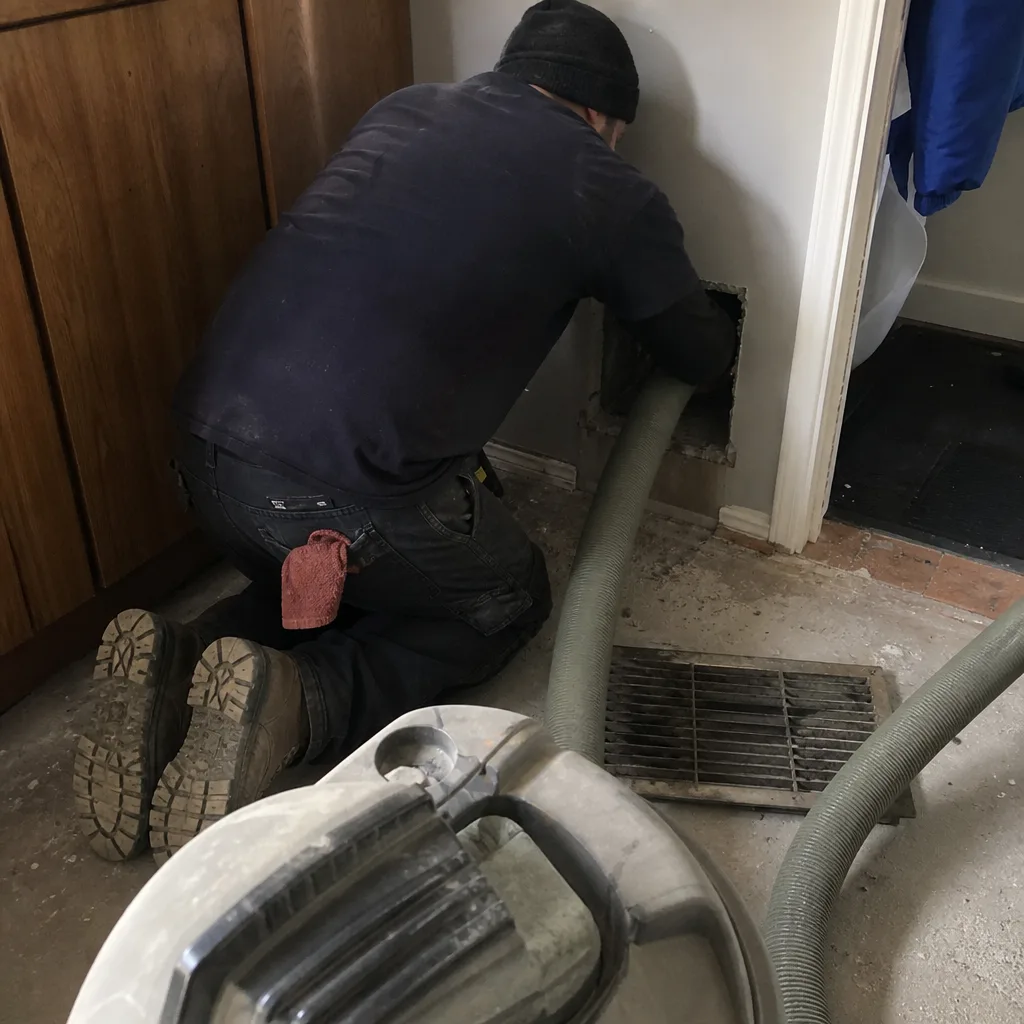 Before
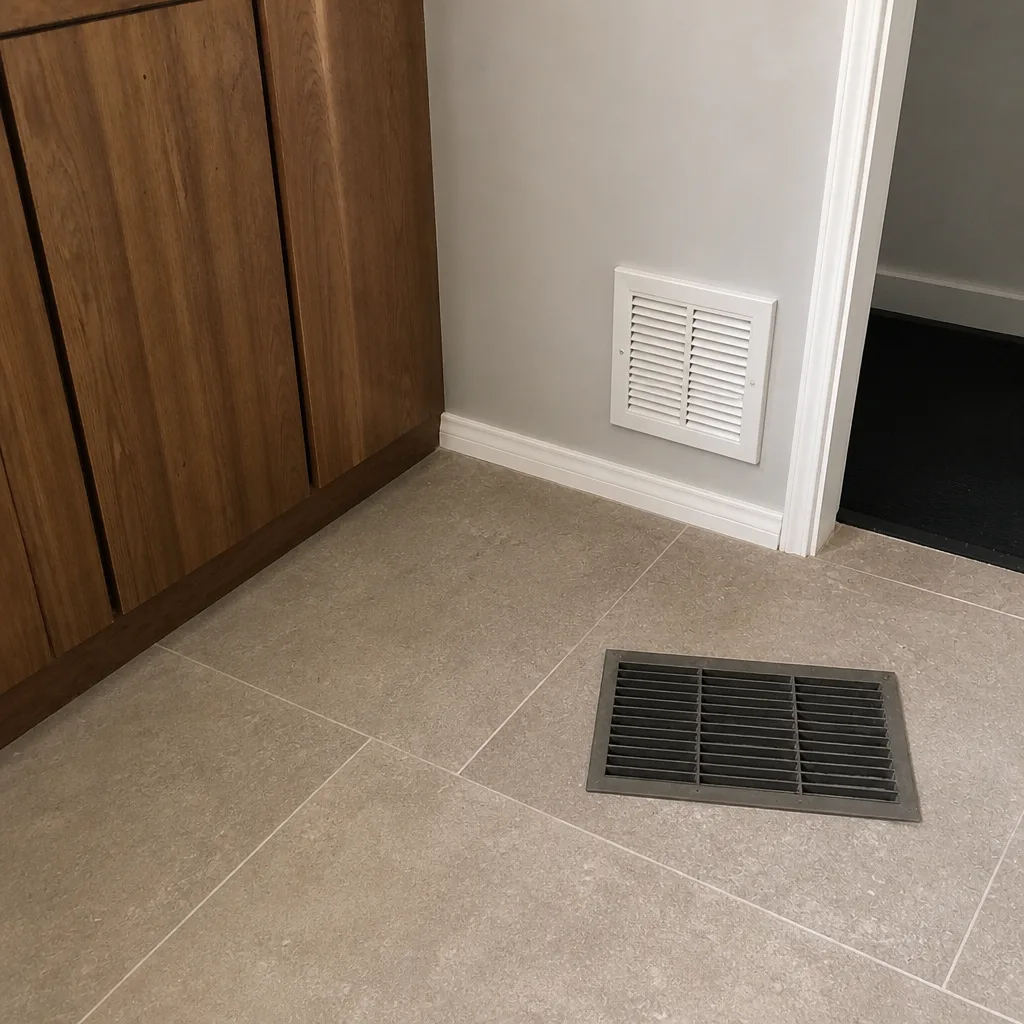 After
When to Call a Professional
If your ducts haven’t been cleaned in over a year, if you’ve noticed a dusty smell when the system kicks on, or if a nearby construction project has been churning out dust for weeks, that’s the moment to call. Same goes for a home that sat through a monsoon season without a cleaning, or any household with pets, allergy sufferers, or recent remodeling. A professional inspection tells you whether the accumulation is meaningful or whether you can hold until the next window. Duct Cleaning Enterprise offers free estimates in Enterprise. Call (855) 684-4882. We answer 24/7. Fast dispatch from 7am to 7pm, Sunday through Friday.
Frequently Asked Questions
Once a year is right for most homes in Enterprise, timed to late March or late October. That schedule matches the two extreme seasons here: it clears winter buildup before summer cooling load and clears summer buildup before the first winter heat cycle. Homes near active construction, with pets, or with allergy sufferers may need a second cleaning in the same year.
Fine for most homes to do either; the decision matters most because the cooling season is longer and heavier in Enterprise. Cleaning in late March is the higher-priority window because it removes debris before five months of intense cooling. Cleaning again in late October is the second priority, clearing summer accumulation before winter heating starts. If you can only schedule once, choose March.
Monsoon humidity between July and September adds moisture to debris that’s been sitting dry in your ducts. That moisture can cause the dust to clump and, if it stays wet long enough, support mold growth inside the duct liner and insulation. If your ducts haven’t been cleaned since before monsoon season, schedule an early-fall cleaning rather than wait for the spring window.
Yes, and often you should. Construction dust is a legitimate trigger for an unscheduled cleaning in Enterprise, because the dust is finer, clings harder, and builds up faster than household dust. If the project is still underway, a professional inspection after the dust settles tells you whether the load justifies a full cleaning.
Ask for before-and-after photos of your own ducts. Any thorough duct cleaning should include images taken inside the interior ductwork before the work starts and after it’s finished, so you have visual evidence of the result. We take those photos on every job, and we’re happy to walk you through them.
Equipment, mostly. A cleaning that uses a shop-vac or a light rotary tool is a different service from one that uses a professional-grade Rotobrush rotary-brush system with Nikro HEPA-rated vacuum capture and Abatement Technologies air scrubbing during the work. We give one flat price per system, agreed before work starts, with before-and-after photos and no per-vent pricing. Call (855) 684-4882 for an exact quote. Estimates are free.
The Bottom Line
Enterprise’s climate doesn’t run on four equal seasons. It runs on two extreme stress periods, a five-month cooling season that packs a year of debris into a few months, and a shorter winter heating season that re-loads the same ducts. Maintenance timing should follow that pattern: late March before cooling, late October before heat, with a monsoon-season check in early fall if the ducts sat through July and September without service. Watch for construction dust, keep the filter fresh during peak cooling, and treat the whole system, filter, coil, plenum, and ducts, as one chain. Stack the annual windows into a habit, and your ducts, and your household air, will stay ahead of the climate.
Contact
If you’re ready to schedule duct cleaning in Enterprise or want a professional look at what your system needs this season, we’ve got a straightforward process: one flat price per system, agreed before work starts, with before-and-after photos and containment throughout. We handle air duct cleaning, dryer vent cleaning, and duct repair under one provider, so there’s no handoff to a second contractor. Call (855) 684-4882 for a free estimate. We answer 24/7. Fast dispatch from 7am to 7pm, Sunday through Friday.
Written by the team at Duct Cleaning Enterprise.