
Last updated November 16, 2026
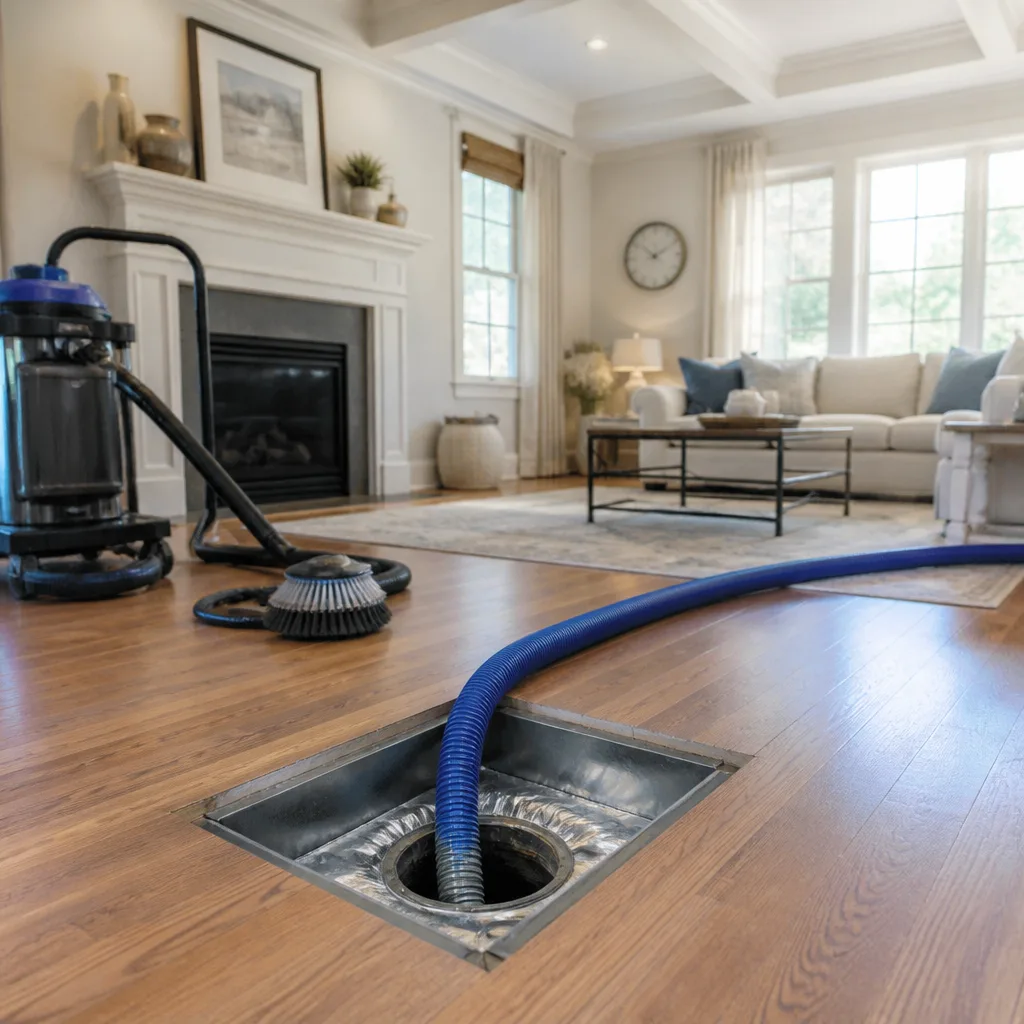 Whole-home duct cleaning
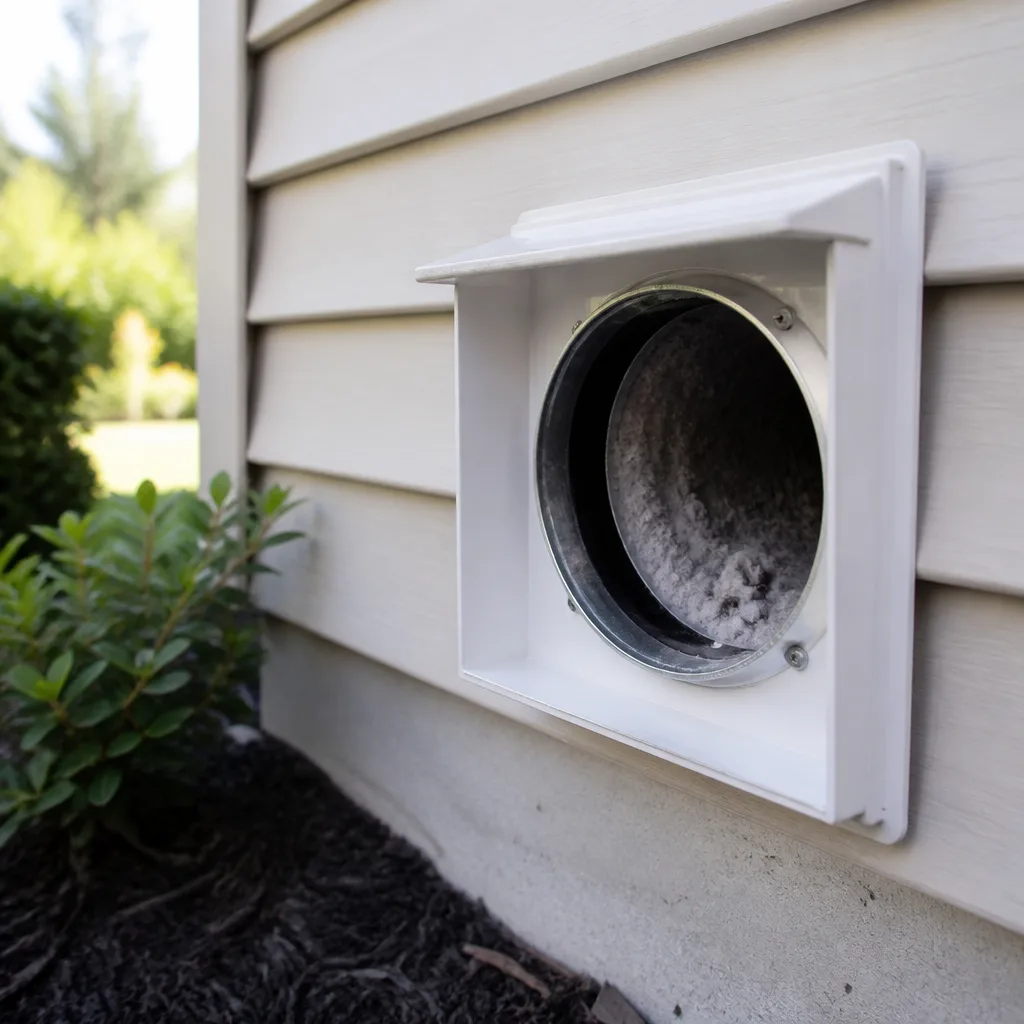 Dryer vent cleaning
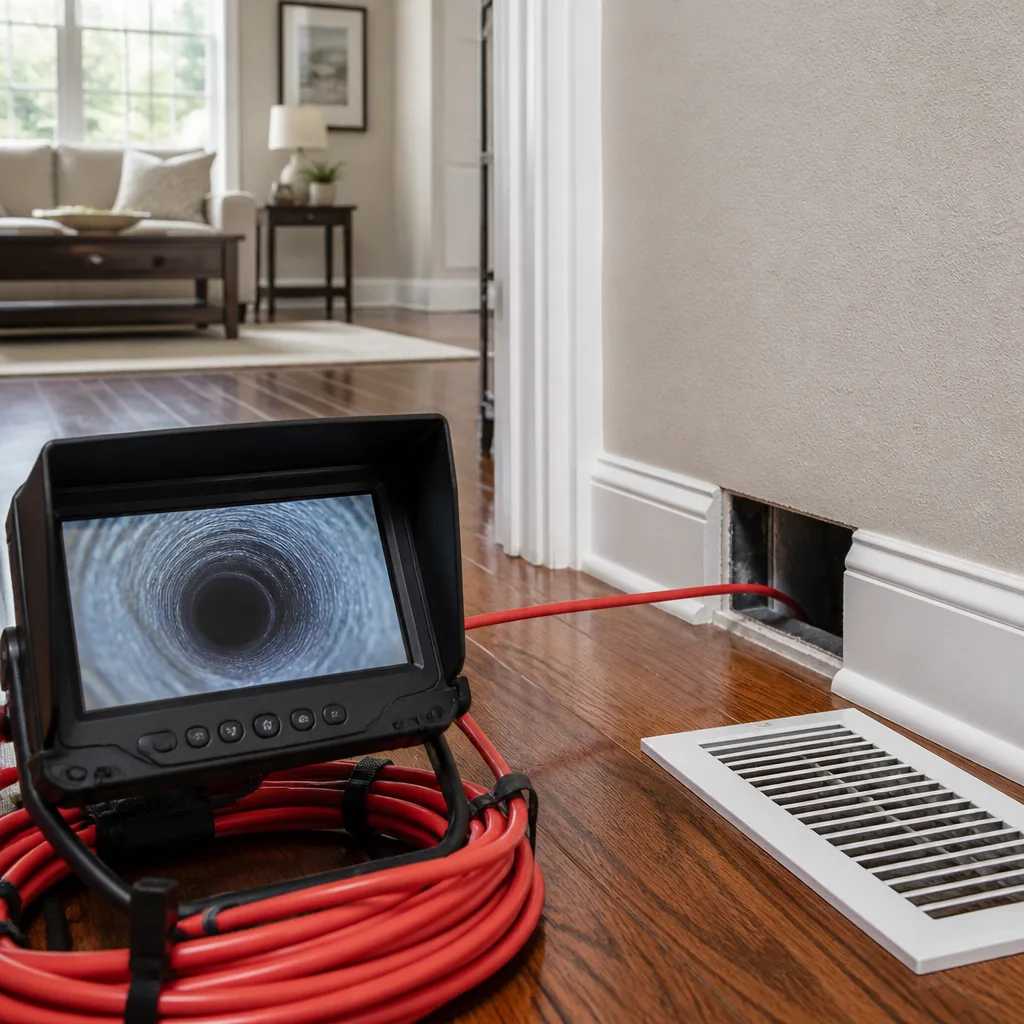 Camera inspection
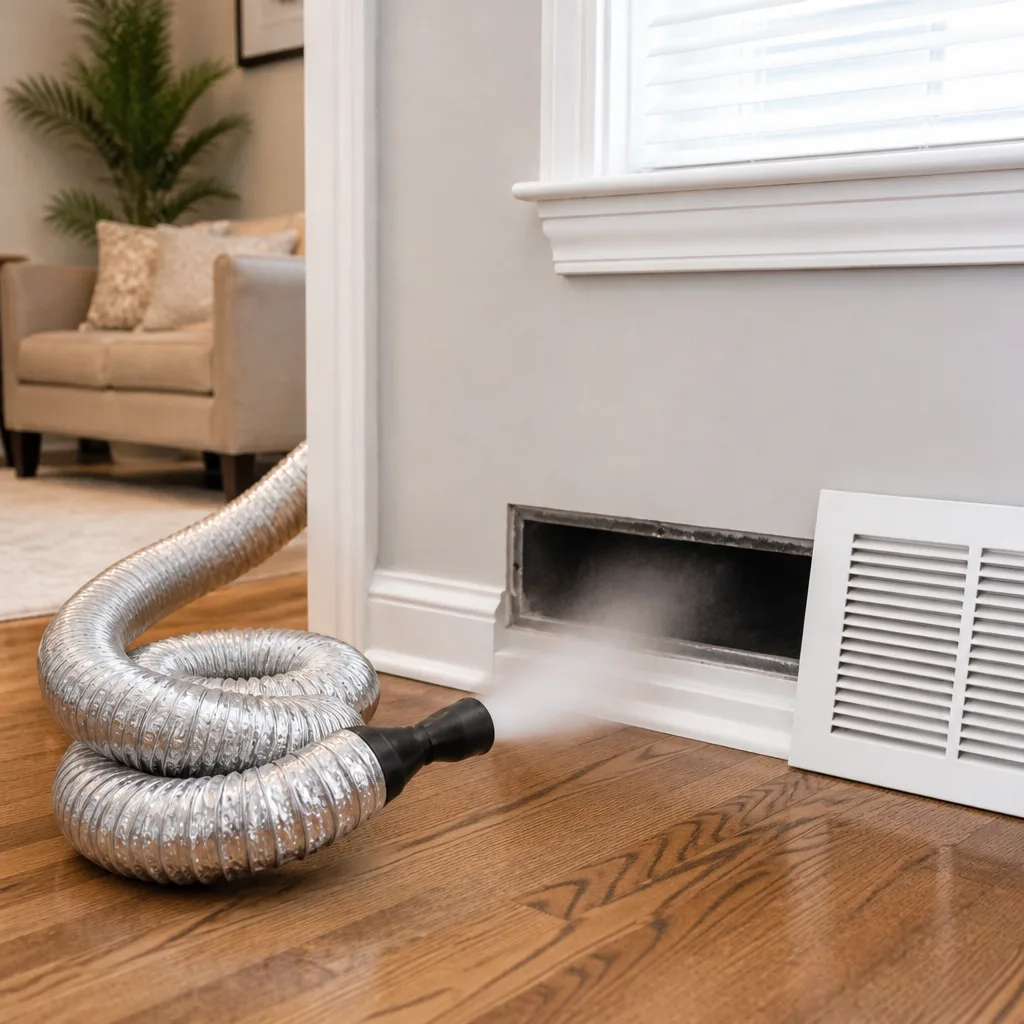 Sanitizing & deodorizing
Whole-system duct and dryer vent check with before-and-after photos - you see exactly what came out of your vents
That "$99 whole-house special" is a bait ad - the real number appears once they are in your hallway, or the "clean" is a shop-vac at the register. We photograph the inside of your ducts before and after instead.
Air Duct Cleaning Troubleshooting in Enterprise: Common Problems and How to Fix Them
Here’s the part most homeowners get wrong. The HVAC contractor has tuned up the system twice, the filter is new, and one room still runs eight to ten degrees warmer than the rest of the house. At that point a lot of people start shopping for a bigger unit they don’t need, because they’re looking at the wrong side of the system. The equipment is usually fine. The ductwork isn’t. Contamination, collapsed flex runs, disconnected trunks, and negative pressure imbalances all create symptoms that look identical to a failing furnace or air handler from the thermostat. This guide maps those symptoms to their mechanical causes, so you know what you’re dealing with before anyone shows up at the door in Enterprise. It’s the difference between paying for the right fix and paying twice.
Quick Answer
Most airflow and air-quality complaints in Enterprise trace back to duct-side failures, not the HVAC equipment: contamination buildup, crushed or disconnected flex duct, leaking joints, or return pressure imbalance. The fix depends on which one it is. Cleaning solves contamination, repair solves mechanical damage, and the two are not interchangeable. Work out the symptom first, match it to the cause, then decide.
Styles & brands we work with
- Whole-home duct cleaning
- Dryer vent cleaning
- Camera inspection
- Sanitizing & deodorizing
Table of Contents
- Weak airflow, dirt, or damage? Matching the symptom to the cause
- The musty smell problem: ducts or drain pan?
- Negative return pressure and why a shop vacuum won’t touch it
- How to check if a previous cleaning actually worked
- Cleaning alone versus duct repair: why the difference matters
- How Enterprise desert conditions stress ductwork
- What troubleshooting and repairs typically cost in Enterprise
Weak airflow, dirt, or damage? Matching the symptom to the cause
Not every weak-airflow complaint is a cleaning problem. This is the single most expensive misunderstanding in duct diagnostics. A homeowner books a cleaning, pays for a cleaning, and finds out the duct cleaning didn’t shift the issue because the issue was never contamination. It was a crushed flex line behind a cabinet, or a trunk joint that popped loose in the attic. Before booking anything, narrow down which of these four scenarios matches what you’re seeing.
Dirty ducts. Airflow is weak or uneven everywhere, registers show visible dust streaks, and the return grille has a grey film. You may notice more dust settling on furniture shortly after the system cycles. Cleaning is the right fix.
Collapsed or crushed flex. Airflow is weak in one or two rooms while the rest are normal. Flex duct (the flexible ribbed line common in Valley construction) gets pinched behind cabinets, kinked at tight turns, or crushed under attic boards and installation debris. No amount of cleaning restores a cross-section that has been physically flattened. This needs replacement of the affected span.
Disconnected trunk or branch. One room receives almost no air, or you can feel air movement in the attic or garage where it shouldn’t be. A boot may have pulled away from the ceiling register, or a branch tap may have separated from the main trunk. This is a mechanical reattachment job.
Negative pressure imbalance. Airflow feels inadequate, doors pull closed on their own or resist opening, and registers whistle. The system is starved for return air, often because a return path was blocked or undersized during a remodel.
Running this quick check yourself saves a diagnostic trip. Turn the fan on and hold a tissue or thin strip of paper at each register. Compare airflow across rooms. If one room fails dramatically, you’re looking at flex or connection damage, not dirt.
The musty smell problem: ducts or drain pan?
Musty air does not automatically mean the ducts are dirty. This misconception costs homeowners real money because the wrong service is cheaper for the contractor and useless for the customer. Musty odors come from three distinct places, and each has a different fix.
- Biological growth inside the ductwork. The smell appears whenever the fan runs and builds up over days. It’s strongest at registers when the system first kicks on. Properly installed, the duct interior stays dry, so growth usually follows a moisture event (a leak, an attic condensation issue, or a flooded return).
- A drain pan or condensate line issue. The smell is localized, usually near the air handler closet or attic unit, and may be stronger when the AC is running hard. Standing water in the drain pan, a clogged condensate line, or a wet coil grows biological film that gets drawn into the airstream.
- Dust and biological growth on the evaporator coil. If the smell is faint and constant while the system runs, and the supply registers have visible dust accumulation, the coil itself may need cleaning. Duct cleaning alone doesn’t fix a dirty coil.
Here’s the diagnostic that matters. Sniff near the air handler first. If you smell the musty odor strongly at the unit and weakly at the registers, the source is upstream of the ducts, meaning the drain pan, coil, or condensate line. If the smell is faint at the unit and strong at the registers, the ducts are suspect. Cleaning the wrong one wastes the money. A proper assessment includes checking both zones before recommending a service. Duct Cleaning Enterprise technicians in Enterprise start with this split because it directs the job correctly the first time.
Once the source is confirmed as duct-side, contamination and any moisture source that fed it both need treatment. Professional-grade equipment matters here. Consumer shop vacuums will redistribute spores into the room being worked on. The containment step is why the air duct cleaning process uses air scrubbing, and we’ll come back to why it matters less than ten minutes from now.
Negative return pressure and why a shop vacuum won’t touch it
Negative return pressure is often misdiagnosed by the homeowner as an airflow problem in the supply-side ducts. It’s actually a return-side deficit. When the return system can’t supply air as fast as the supply side moves it, the house turns into a partial vacuum. Typical signs:
- Interior doors swing shut or pull strongly against the frame when the fan runs.
- Registers whistle or hiss at higher fan speeds.
- Some rooms feel stuffy while the room adjacent to the return feels over-pressurized.
- You can feel suction at gaps around the air handler closet or at return grilles that are undersized.
A shop-vac cleaning cannot fix this. Cleaning addresses what’s coating the duct walls. Negative pressure is a duct-design and balance problem, not a cleanliness problem. The fix usually involves one of three changes: adding a return path (a jump duct or a transfer grille) to a room sealed tight, resizing or repairing an undersized return trunk, or reconnecting a return that pulled loose in the attic. These are mechanical repairs, not cleaning services, and they should be evaluated by someone who can see both the installation and the symptom before recommending the fix.
Why does this matter for you? Negative pressure can pull air from unintended spaces (attic air, garage air, crawlspace air) into the living areas, and in an Enterprise home with an attached garage and a scorching summer, that pulled air carries heat and whatever else is in the garage. The fix is not a filter upgrade. It’s restoring the return balance. This is where duct repair and system-thinking capabilities make the difference. A cleaning-only provider will either decline the job or clean the ducts and hand you back the same symptom.
How to check if a previous cleaning actually worked
You hired a company. They were in and out quickly. Nobody showed you before-and-after photos, and you’re not sure anything real happened. That suspicion is justified. Here’s how to verify it yourself using a flashlight and a small mirror.
- Turn off the HVAC system at the thermostat. Wait for the fan to stop.
- Remove the register grille in a couple of rooms (typically two screws each).
- Shine the flashlight up into the duct boot and look at the first six inches of the duct interior. You’re looking for dust film, debris, and streaks. If it’s still thickly coated, it wasn’t cleaned.
- Use a mirror on an angled handle to see around the bend at the boot. The visible bend is where lazy cleaning always shows first.
- Compare a register served by the same trunk as another. If one is dramatically cleaner than the other, cleaning was uneven.
- Open the return grille near the air handler and look at the return plenum. A thorough cleaning leaves this area visibly improved.
One caveat: take these observations as directional, not definitive. A register boot can look clean while the trunk downstream is still loaded. But the reverse isn’t true. If the boot is dirty, the job is incomplete. The point is to spot a failed cleaning early. If the register interiors are still coated within days of a paid cleaning, call for a second assessment before you rebook.
For customers concerned about verification, ask the second company to provide before-and-after photos of the accessible ductwork. A technician with professional equipment (Rotobrush rotary brushes, Nikro HEPA-rated vacuum capture, Abatement Technologies air scrubbers running in the work area) has no reason to avoid photographing what they did. A shop-vac operator usually doesn’t want to show you the film they left behind.
Cleaning alone versus duct repair: why the difference matters
Cleaning removes contamination. Repair restores the mechanical integrity of the duct system: sealing leaks, reattaching disconnected joints, replacing crushed flex, closing gaps where a boot pulled away from the ceiling. These are different jobs with different equipment and different technicians.
Confusing them is why homeowners end up calling the same company back three times. The sequence should be:
- Diagnose. Identify what the symptom indicates (contamination, collapsed duct, disconnected run, or pressure imbalance).
- Repair first if the ducts are mechanically compromised. There’s no point cleaning a duct that’s leaking through every joint and disconnected at the trunk tap. Air will keep escaping past the gap and pulling dust back in. Seal or reattach first.
- Clean second. With the system sealed and intact, cleaning removes what’s inside reliably.
- Verify third. Airflow test and visual inspection after both steps, ideally with before-and-after photos.
This is the correct order and it’s where a single provider makes a practical difference. When you use one company for both cleaning and repair, the diagnosis and the fix happen in one assessment. When two companies are involved, the second one frequently re-diagnoses what the first one found, or worse, cleans the ducts without fixing the connection, and the customer pays twice. Duct Cleaning Enterprise handles repair alongside cleaning; the sequence above also ties directly to air quality equipment inside the system. Honeywell and Aprilaire products filter air at the equipment, and they can’t filter dust that’s bypassing leaky joints. The duct itself has to be sealed before air-quality upgrades do their job.
How Enterprise desert conditions stress ductwork
Enterprise duct systems operate in one of the harshest environments in the country. Attic temperatures swing from cold overnight lows to brutal summer heat that bakes any duct run in the attic. That cycle does real damage over time. The adhesives that hold flex duct seams, taped joints, and boots to ceiling penetrations degrade faster here than in milder climates, and duct runs that pass through an unconditioned attic are exposed to the widest temperature swings in the house.
Three consequences show up again and again in Enterprise homes:
- Tape and mastic failure at joints. The tape dries and peels, and a joint that was sealed when the house was built now leaks attic air into the supply stream. You smell dust and heat gain in the summer.
- R-Value degradation on older flex runs. Aged insulation on attic ductwork becomes less effective, so conditioned air absorbs attic heat before it reaches the register. That’s why a room that had decent airflow years ago now feels warm.
- Debris in flex duct from attic or construction work. Flex ducts are not built for rigors of remodeling, pest activity, or settling. Any of these can pinch a run or collapse a section, even if the rest of the system is clean.
Practical takeaway for Enterprise homeowners: attic duct runs are the first place to look when airflow problems and heat gain appear together. Cleaning and repair both belong on the same inspection drawing. If your attic ductwork is in unusually bad shape, that assessment is the right conversation before spending on any duct-related service. The Duct Cleaning Enterprise process starts with that walkthrough rather than with a cleaning booking.
What troubleshooting and repairs typically cost in Enterprise
Costs vary by duct layout, square footage, and the amount of repair required. The table below lists typical Enterprise ranges for each service type. Estimates are free, and the written estimate sets the final price.
| Service | Typical Enterprise range | Notes |
|---|---|---|
| Duct cleaning (whole system) | $350 – $600 | Whole-system pricing, not per-vent |
| Dryer vent cleaning | $100 – $180 | One vent, one route |
| Sanitizer or antimicrobial treatment | $60 – $120 | Add-on, typically after cleaning |
| Sealing leaks and reattaching joints | $150 – $400 | Varies with the number of joints |
| Replacing crushed or disconnected flex run | $250 – $550 | Depends on length and attic access |
| Boot-to-ceiling reattachment | $80 – $200 per register | Access drives the range |
These are typical ranges, not quotes. Duct layout, attic access, and how many runs require repair each move the number. One caveat worth naming: per-vent pricing looks cheap and rarely stays cheap. A flat sum for the whole system, agreed before work starts, is the number that matters. Duct cleaning and duct repair priced separately also invites the two-company problem covered above.
Also worth flagging: if a company quotes an unusually low whole-system figure, that usually means no containment step and consumer equipment. A professional-grade setup running air scrubbing through the work area has real equipment cost per job. A shop-vac crew with a coupon does not. If your diligence is comparing quotes, read through the dryer vent cleaning and cleaning pages for the process standard applied here; the same equipment and containment approach carries across both services.
Common Mistakes to Avoid
- Replacing the HVAC unit before diagnosing the ducts. If one room is unreachable, buy a flashlight before a furnace. Duct-side problems show up as equipment failure but the fix is completely different, and a new air handler won’t fix a collapsed flex run.
- Hiring a cleaning-only company when the diagnosis says “repair.” Cleaning alone cannot reattach a disconnected trunk. If the company can’t do repair, the air will keep leaking past the problem and you’ll call someone else later.
- Accepting a per-vent price without a whole-system number. Per-vent pricing invites uneven work. A whole-system flat price agreed in advance, with before-and-after photos, is the expectation to set.
- Cleaning to solve a musty smell without finding the source. If the smell comes from the drain pan or coil, cleaning the ducts pays for nothing. Sniff at the air handler and at the registers first.
- Skipping containment during the job. A cleaning done without air scrubbing (Abatement Technologies equipment, for example) releases particulate into the room you’re living in. Ask before the technician arrives.
- Ignoring attic runs in Enterprise summer heat. No ductwork is exposed to wider temperature swings than the run in an attic here. Degraded tape joints and R-value on attic runs are quiet causes of both summer heat gain and dust ingestion.
- Treating a negative-pressure symptom as a cleaning problem. Doors that slam shut and registers that whistle indicate a return-side balance deficit. Cleaning won’t shift that. The fix is mechanical.
See the difference
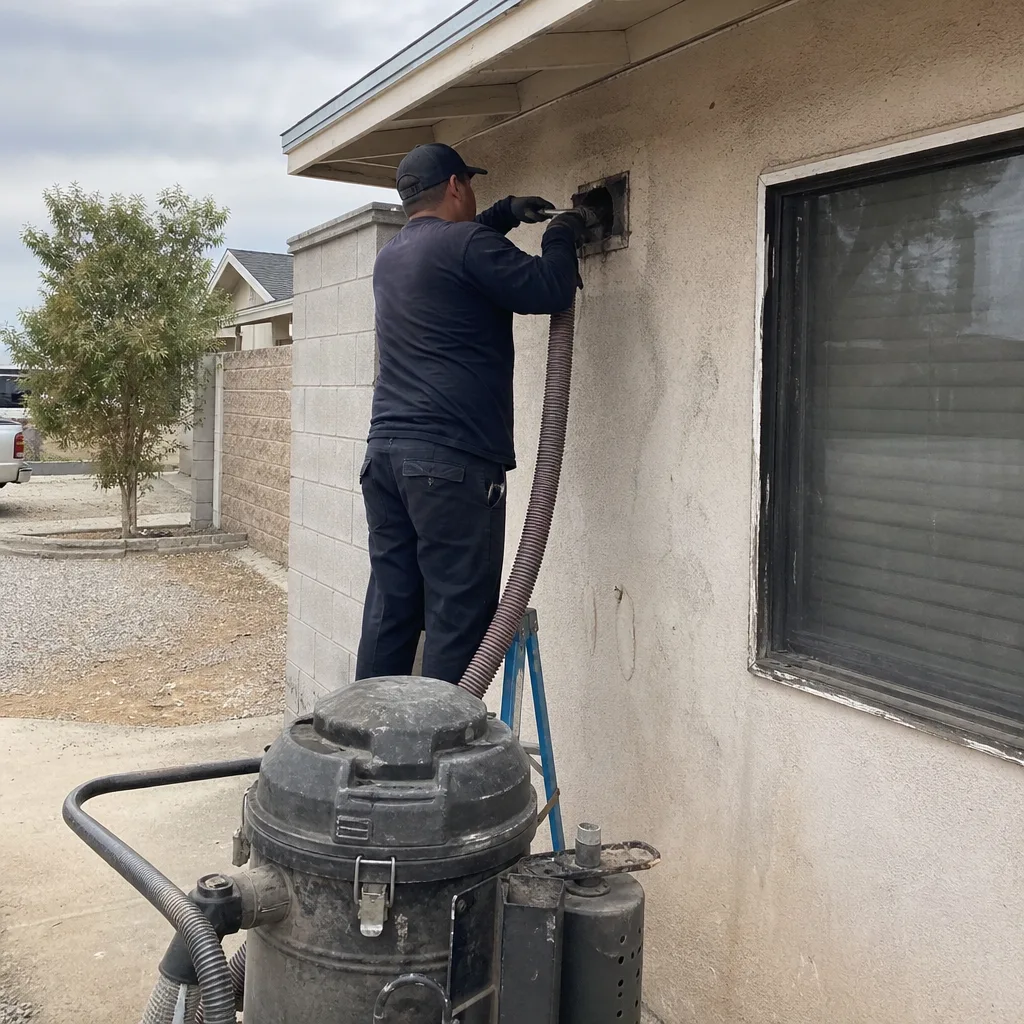 Before
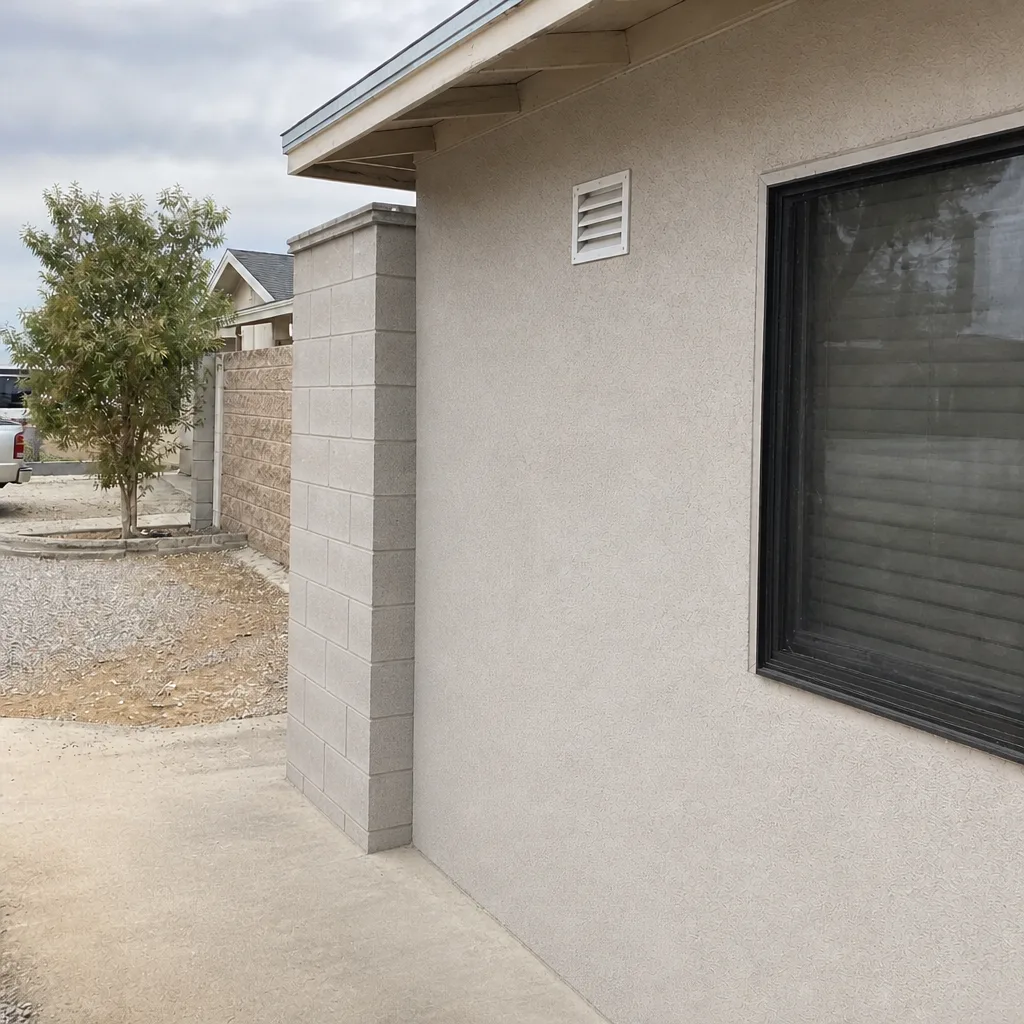 After
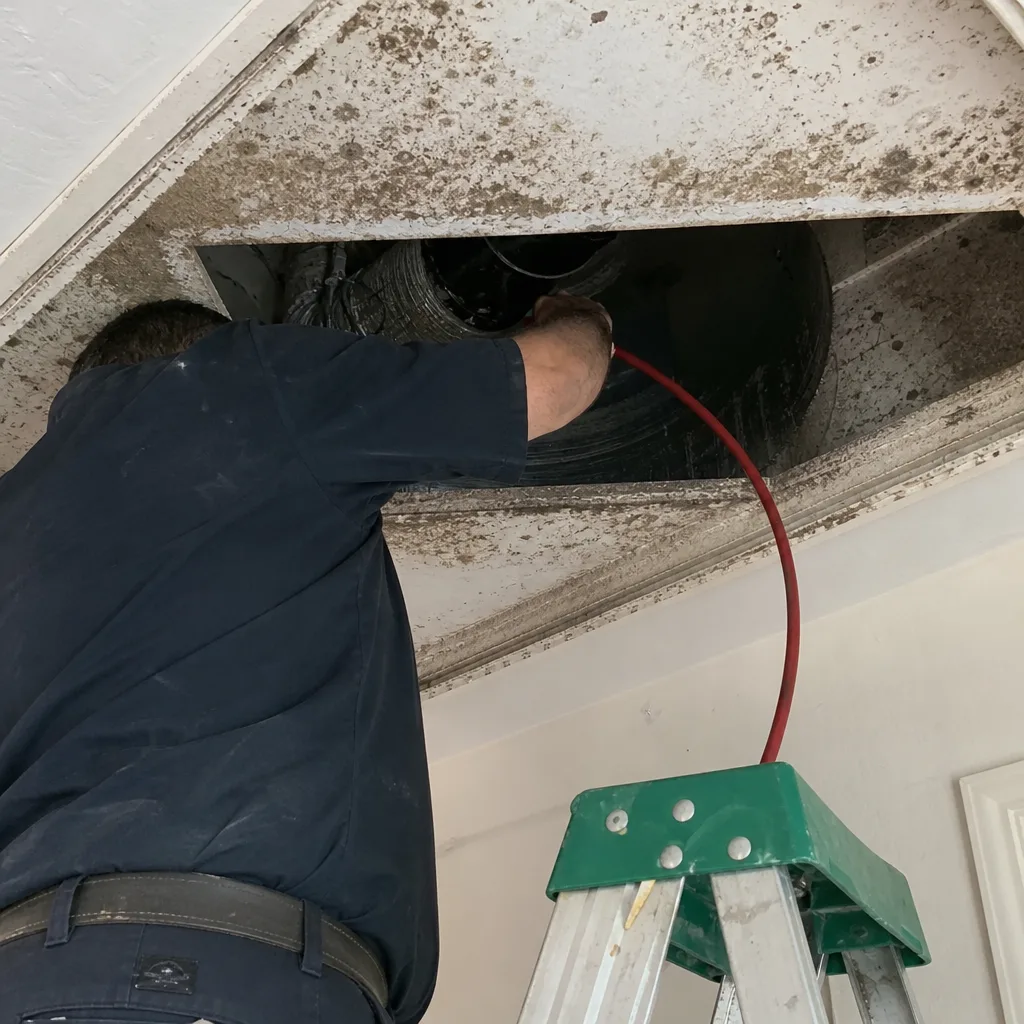 Before
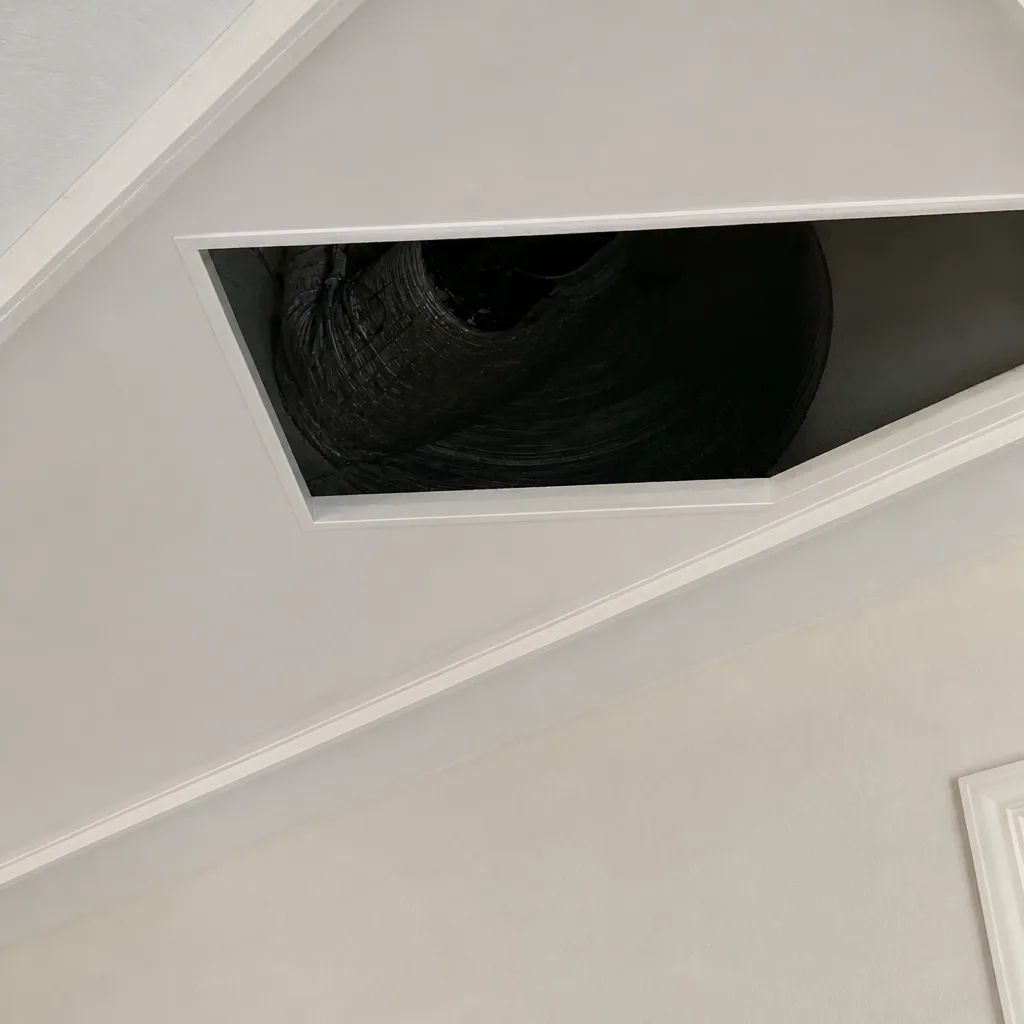 After
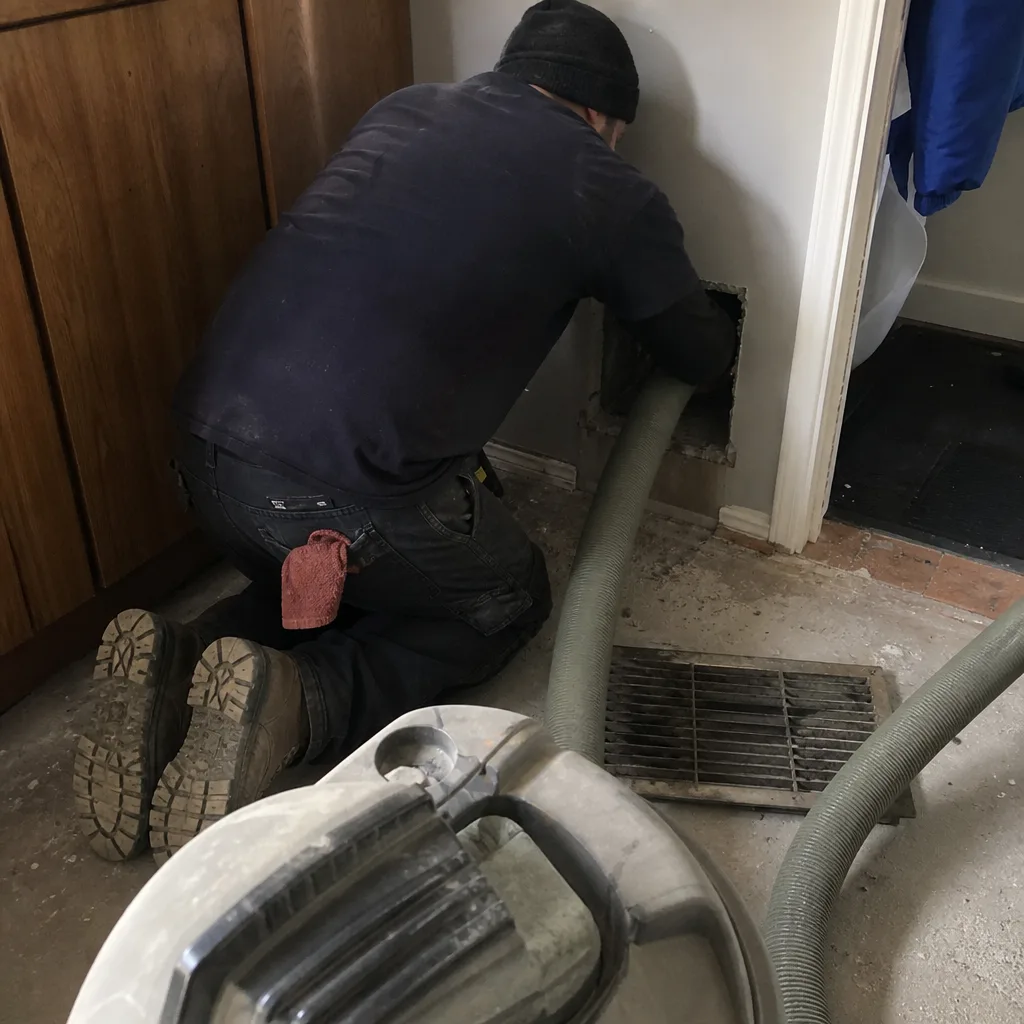 Before
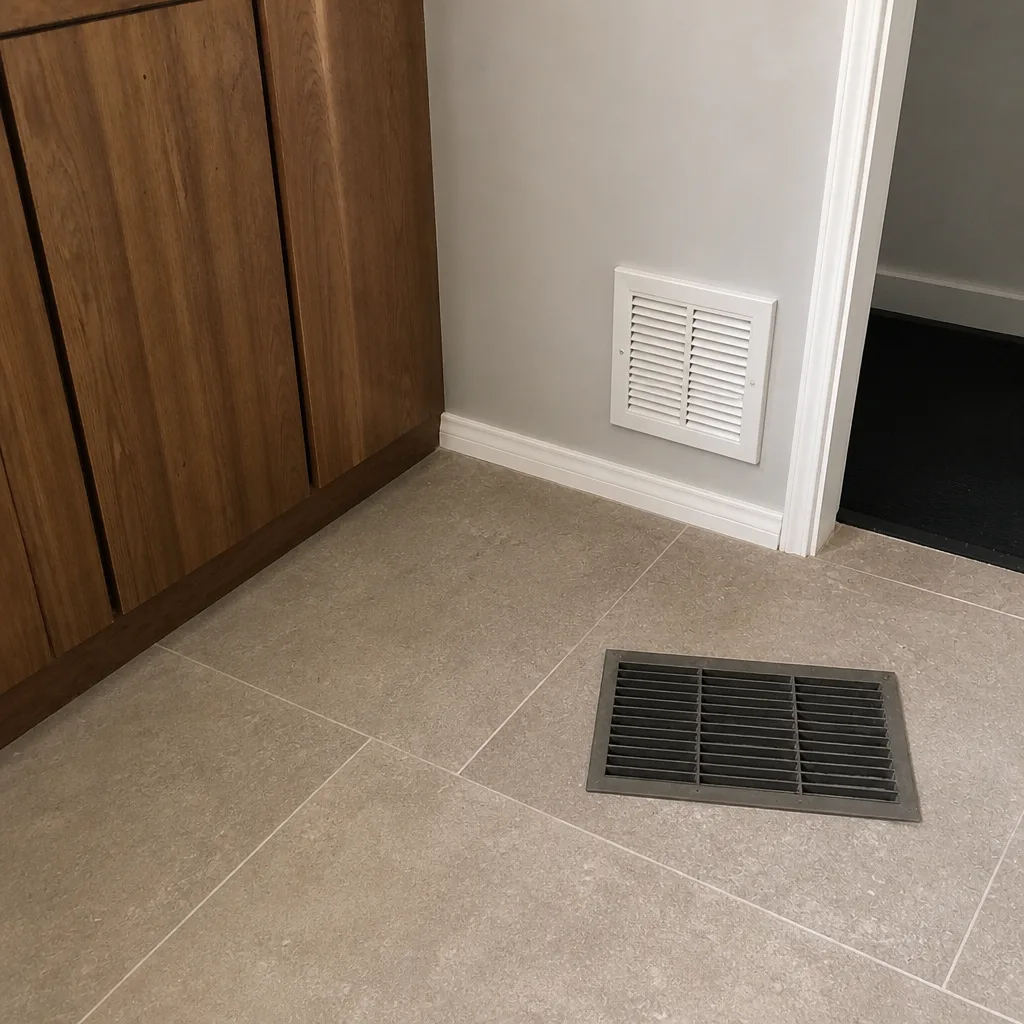 After
When to Call a Professional
Call a professional if you can’t identify which of the four duct problems you’re dealing with after the tissue-at-the-register test, if the return-side symptoms (doors pulling shut, whistling registers) are present, if the musty smell source isn’t clear at a glance, or if any attic duct run shows visible damage (crushed, disconnected, taped poorly). Do not attempt attic duct repairs yourself. Access is difficult, the temperature is dangerous, wiring and gas lines often share the space, and a technician who knows the layout will complete the repair in less time with less risk to you. For same-day cleaning or repair scheduling in Enterprise, call (855) 684-4882. We answer 24/7. Fast dispatch from 7am to 7pm, Sunday through Friday. Estimates are free, and Duct Cleaning Enterprise technicians have up to 8 years of experience working with duct systems across the area, including the neighborhoods around Henderson.
Frequently Asked Questions
Typical whole-system duct cleaning in Enterprise runs about $350 to $600, and that’s a flat price for the whole system, not a per-vent figure. Add-ons like antimicrobial treatment typically run $60 to $120. The written estimate, agreed before work starts, sets the final price. Call (855) 684-4882 for an exact quote; estimates are free.
Cheap quotes usually mean no containment step and consumer-grade equipment, or a per-vent price designed to add up. A quote using professional-grade equipment and air scrubbing through the work area reflects real cost per job. The lower figure often ends up more expensive once the added services appear on the invoice. Ask what equipment they use and whether they run air scrubbing, then compare like for like.
Ask for before-and-after photos of the accessible ductwork. Any company running professional equipment has no reason to avoid this. You can also do your own check with a flashlight and mirror at the register boots after the job (see the inspection steps above). A cleaning that looks complete at the boot almost always is at the trunk; the reverse is not true. Call (855) 684-4882 for a quote on a whole-system cleaning; estimates are free.
Most homes do fine with a whole-system cleaning every three to five years, though visible contamination, a recent moisture event, or major remodeling can justify it sooner. Attic duct runs in Enterprise age faster than interior runs, so attic-based systems sometimes warrant a shorter interval. Rather than a fixed schedule, inspect the registers periodically and book when you see real buildup. Call (855) 684-4882 to set up an assessment; estimates are free.
Yes, in most cases. Duct Cleaning Enterprise handles both cleaning and repair, so the diagnosis and the fix happen together. When repair is needed, the correct sequence is repair first, then clean. A single provider handles both without handing off to a second company. Call (855) 684-4882 to schedule; estimates are free.
Then cleaning alone won’t fix it. Negative pressure (doors that pull shut, whistling registers, stuffy rooms) is a return-side balance problem and needs a mechanical fix, usually involving added return paths, resized returns, or reattachment of a loose return trunk. A shop-vac cleaning cannot address this. Duct Cleaning Enterprise assesses the return side alongside the supply side before recommending anything.
The Bottom Line
Most duct problems in Enterprise that get blamed on the HVAC equipment are actually duct-side failures. The diagnostic discipline matters more than the service itself: match the symptom to the cause (dirty ducts, crushed flex, disconnected trunk, or negative pressure), verify the source of any musty smell before booking a cleaning, check previous work yourself if you’re unsure, and repair before cleaning when the ducts are mechanically compromised. Cleaning solves contamination. Repair solves mechanical damage. Confusing them is the most expensive mistake in this trade. If you’re not sure which side of that line your system is on, get an assessment before you buy anything else. Duct Cleaning Enterprise technicians have up to 8 years of experience, use professional-grade Rotobrush and Nikro equipment with Abatement Technologies air scrubbing as a standard containment step, and handle both cleaning and repair. Call (855) 684-4882 for a free estimate. We answer 24/7. Fast dispatch from 7am to 7pm, Sunday through Friday.
Written by the team at Duct Cleaning Enterprise.