
Last updated November 16, 2026
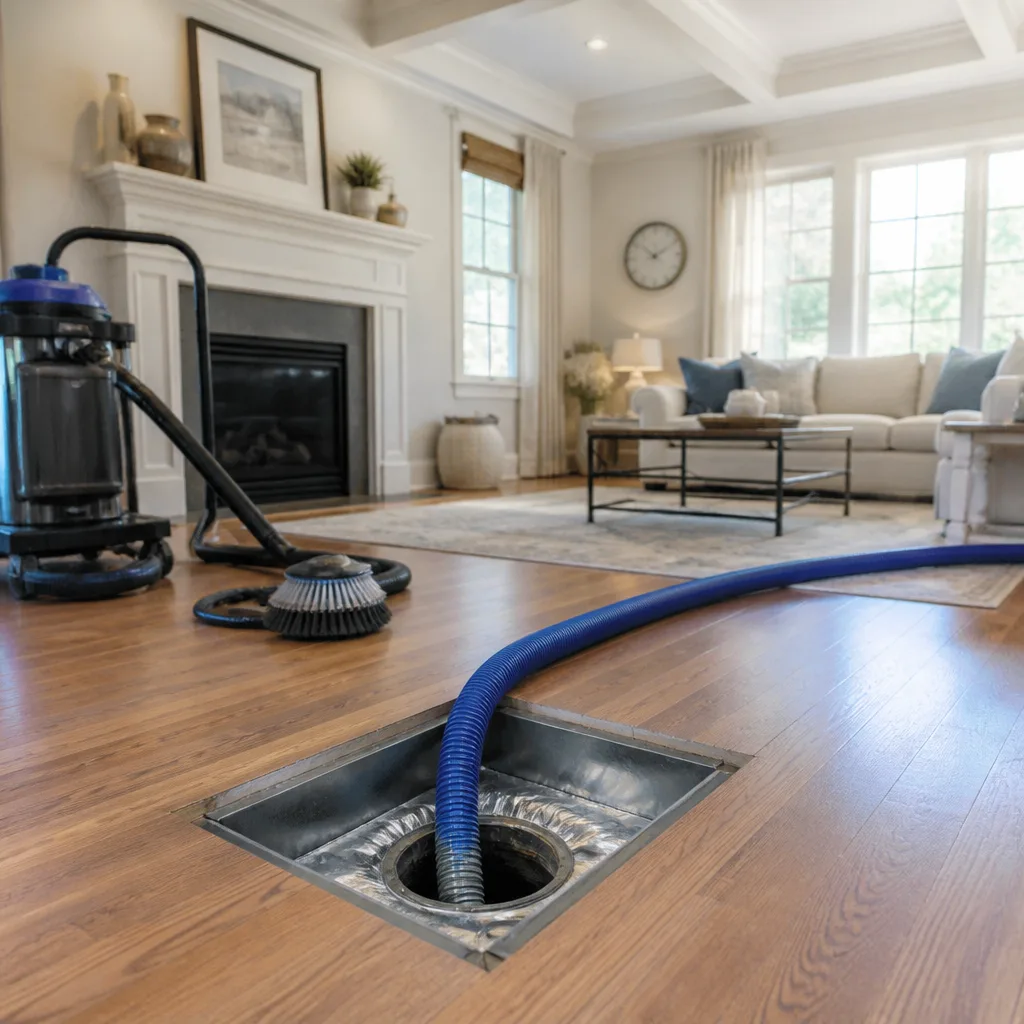 Whole-home duct cleaning
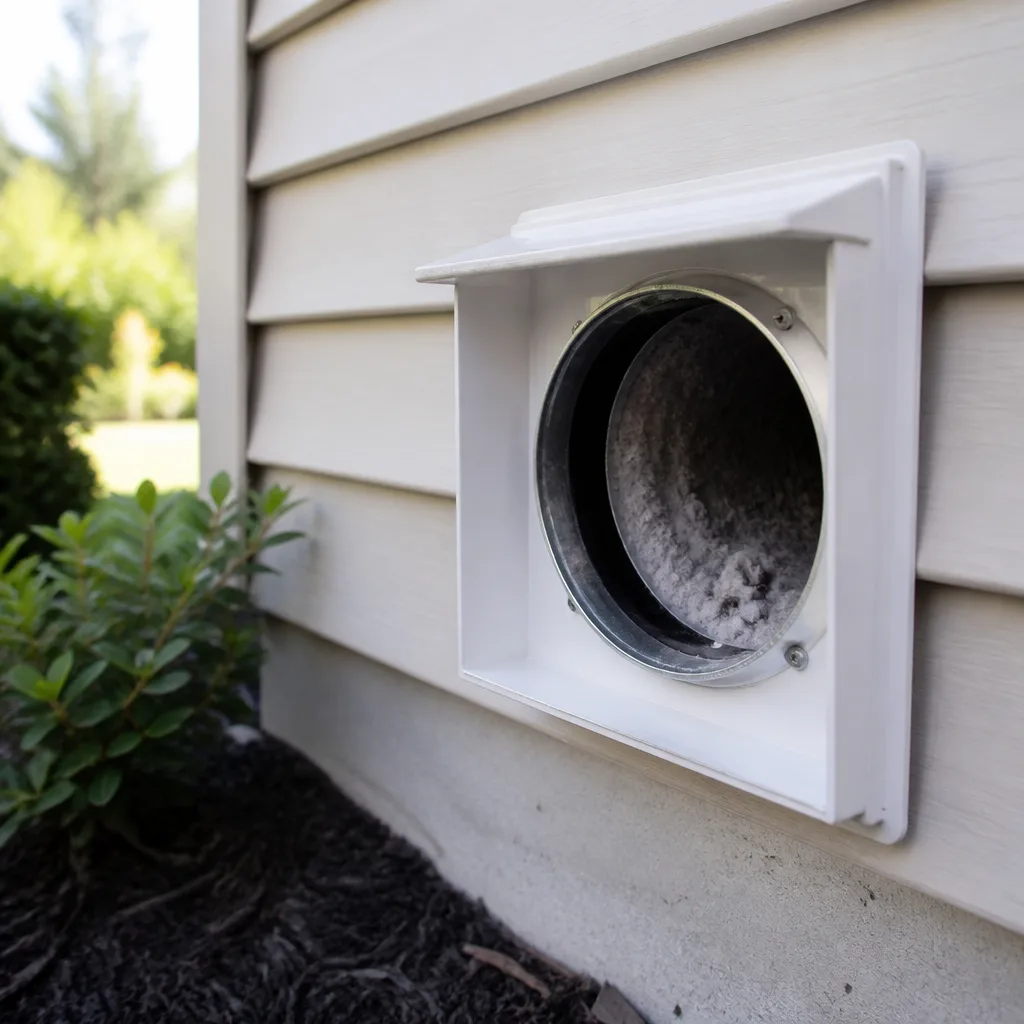 Dryer vent cleaning
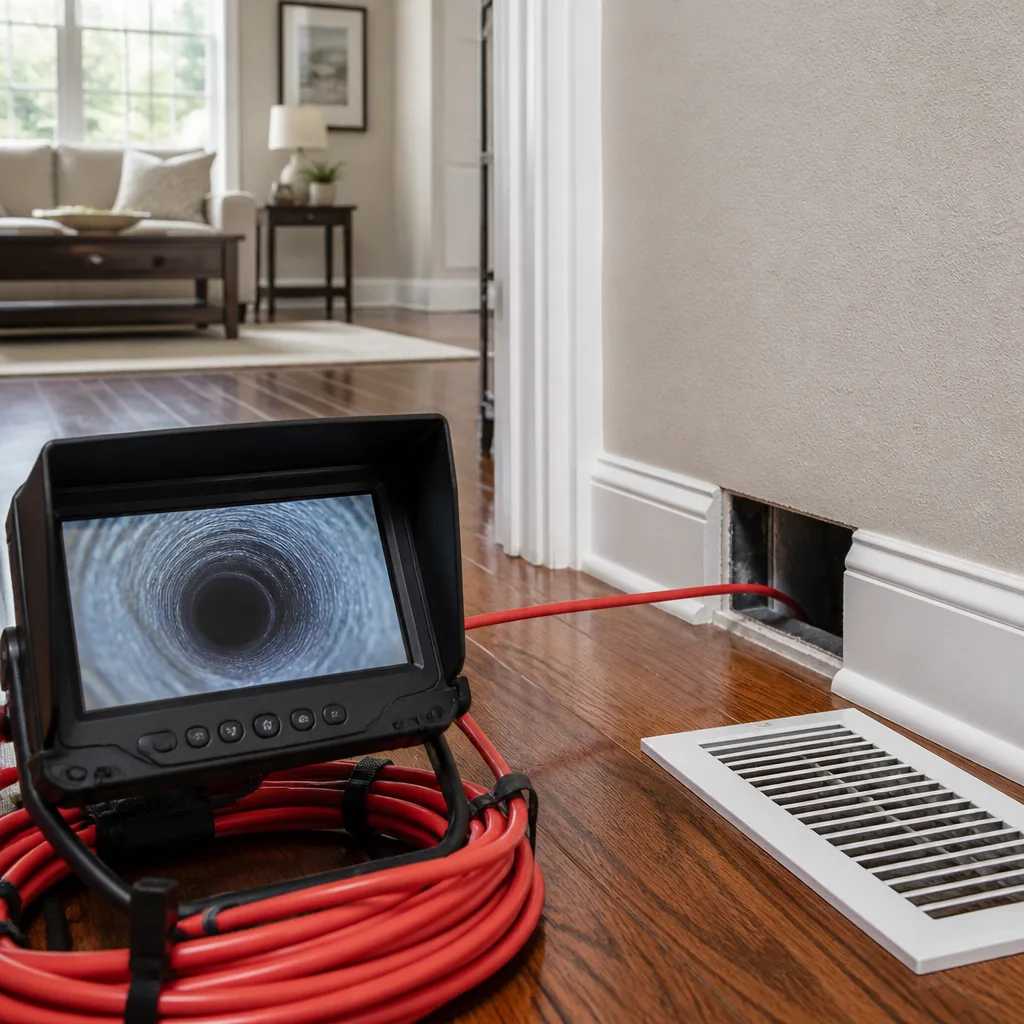 Camera inspection
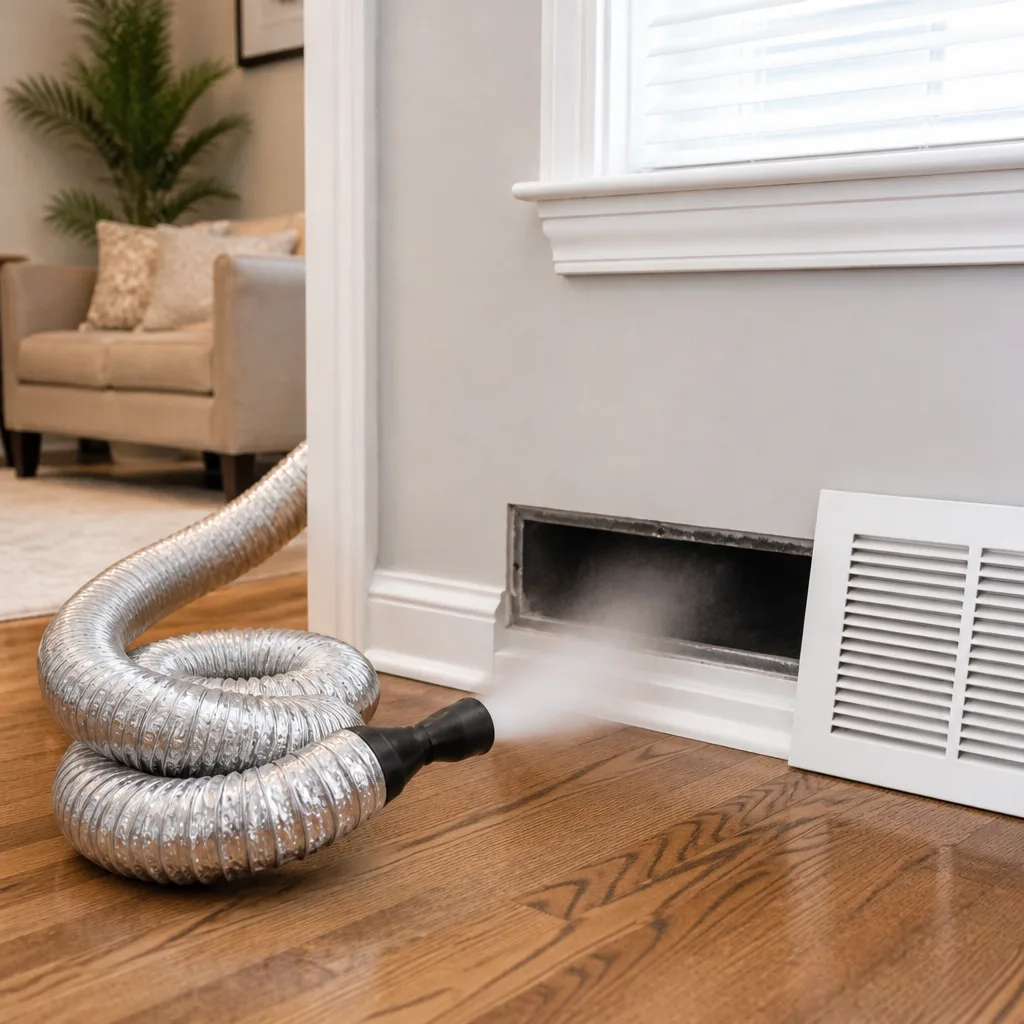 Sanitizing & deodorizing
Whole-system duct and dryer vent check with before-and-after photos - you see exactly what came out of your vents
That "$99 whole-house special" is a bait ad - the real number appears once they are in your hallway, or the "clean" is a shop-vac at the register. We photograph the inside of your ducts before and after instead.
The Complete Guide to Air Duct Cleaning in Enterprise
Most people assume a duct cleaning is a duct cleaning. A technician shows up with a machine, runs it through the vents, and leaves. But here’s what the industry doesn’t advertise: the suction power behind that machine decides everything. A shop vacuum pulls roughly 100 to 200 CFM of air. A truck-mounted negative air machine pulls 2,000 to 4,000 CFM. That gap is why two companies can both call themselves duct cleaners and produce completely different results. This guide walks you through what actually happens inside your ducts during a proper cleaning in Enterprise – step by step, from agitation to containment to verification – so you can tell a real job from a vacuum-and-leave visit.
Quick Answer
A proper air duct cleaning in Enterprise requires two things working together: mechanical agitation to loosen debris from duct walls, and sustained negative pressure to pull it out of the system. Equipment quality determines the outcome. Professional-grade rotary brush systems paired with HEPA-rated vacuums and air scrubbers remove far more debris than consumer or shop-grade equipment, and the difference shows up in the air you breathe and the efficiency of your HVAC system.
Styles & brands we work with
- Whole-home duct cleaning
- Dryer vent cleaning
- Camera inspection
- Sanitizing & deodorizing
Table of Contents
- Why Enterprise Ducts Collect More Debris Than Most Cities
- The Two-Step Process: Agitation and Negative Pressure
- What NADCA Standards Actually Specify for a Residential Cleaning
- Equipment Classes: Portable, Truck-Mount, and Trailer-Mount
- Containment: The Step Most Companies Skip
- When Cleaning Isn’t Enough: Duct Repair and Air Quality Products
- What a Completed Job Looks Like: Inspection Checkpoints
- How Much Does Air Duct Cleaning Cost in Enterprise?
Why Enterprise Ducts Collect More Debris Than Most Cities
Enterprise sits in the Mojave Desert, and that changes how fast ductwork loads up with debris. The air here carries fine particulate dust almost year-round, and because summers are long and hot, air conditioning systems run more hours per year than they do in most of the country. More runtime means more air cycles through the same ductwork, and each cycle deposits a thin layer of dust on the duct walls. Those layers build on each other.
What does that look like in practice? A home in Enterprise that runs its AC from spring through fall is moving a large volume of dusty outside air through the return side and distributing it through the supply side. The return ducts often collect the heaviest load because they pull air from living spaces before it reaches the filter. If the filter isn’t changed on schedule, the dust that gets past it settles in the ducts rather than burning off or dissipating.
The desert also brings seasonal patterns worth knowing. Wind-driven dust events push more particulate into homes, and when windows or doors get opened during cooler months, unfiltered air enters the system directly. Homes near the gravel lots and open desert edges of Enterprise tend to see heavier dust loads than homes surrounded by landscaping. There’s no single rule for how often a house needs cleaning, but heavy dust accumulation, visible debris at registers, and reduced airflow are all signs that the system is overdue.
The Two-Step Process: Agitation and Negative Pressure
This is the part most guides skip, and it’s the part that separates a real cleaning from a superficial one. Duct debris doesn’t sit loose in the middle of the duct. It clings to the walls through a combination of static charge, moisture, and simple adhesion. Suction alone won’t release it. You need mechanical agitation to break the bond between the debris and the duct surface, and you need negative pressure running at the same time to capture what gets released.
Here’s how that sequence works in a properly run job:
- System assessment. Before any equipment runs, we inspect the duct layout, register count, and accessible components to understand what we’re working with. Not every home is configured the same way.
- Containment setup. Air scrubbers are positioned to maintain clean air in the work area and control particulate before it migrates into living spaces.
- Negative pressure established. A high-capacity vacuum connects to the main trunk or a strategic access point, drawing the entire duct system under negative pressure so loosened debris travels toward the capture point instead of into the rooms.
- Rotary brush agitation. A motorized rotary brush travels through the ductwork, contacting the walls and breaking debris loose. This is the step that consumer equipment can’t replicate.
- Register-by-register cleaning. Each branch line gets the same agitation-and-capture treatment so no section is left untouched.
- Component cleaning. The blower, evaporator coil area, and accessible plenum surfaces are cleaned where they can be safely reached.
- Verification. Post-cleaning inspection confirms the duct interiors are clear and the system is reassembled correctly.
Skipping agitation is the most common shortcut in the trade. A company that runs a vacuum without a rotary brush is only pulling loose surface dust. The adhered layer stays put, and the homeowner never knows the difference until the next cleaning reveals the same debris load. If you take one thing from this guide, make it this: agitation is not optional.
What NADCA Standards Actually Specify for a Residential Cleaning
NADCA – the National Air Duct Cleaners Association – publishes a document called ACR, the Assessment, Cleaning, and Restoration standard. It defines what a residential duct cleaning is supposed to include and what it’s supposed to accomplish. Here’s the plain-language version of what those standards mean for your home.
The standard calls for the entire system to be cleaned – not just the visible registers. That includes the supply and return ductwork, the air handler, and accessible components of the HVAC system. A cleaning that stops at the registers is a partial job. The standard also emphasizes source removal: contaminants should be physically removed, not just stirred up or sealed in place. And it calls for the system to be returned to a clean, functioning condition after the work is done, meaning components are reinstalled correctly and airflow is verified.
What might surprise you is how much the standard depends on equipment capability. A technician can follow the correct sequence on paper and still fail to meet the standard if the vacuum doesn’t generate enough negative pressure or the brush doesn’t reach the full duct run. This is why equipment matters as much as process. In our experience, the standard is a process checklist, but the result depends on whether the machines on the job can actually execute that checklist.
Equipment Classes: Portable, Truck-Mount, and Trailer-Mount
Not all duct cleaning equipment is the same, and the class of equipment on the job tells you a lot about what the contractor can realistically accomplish.
- Portable units. These are the smaller, self-contained machines that fit through a front door. Suction capacity varies widely, but even the better portable units struggle with long duct runs and multiple returns. Manufacturers like Nikro build professional-grade portable HEPA units that perform well on shorter runs and in tighter spaces, but they’re not a substitute for a high-capacity system on a large house.
- Truck-mount systems. These are the large vacuum units that park outside and connect to the duct system through a long hose. Suction capacity is much higher, which matters for establishing proper negative pressure across the whole system. Rotary brush systems like the Rotobrush family pair with these units for the agitation step.
- Trailer-mount systems. Similar capacity to truck-mount, but on a trailer platform. These are common for contractors who need the vacuum power but don’t run a dedicated service vehicle.
Which configuration works best depends on the home. Long ranch-style layouts with a single air handler and long trunk lines benefit from the higher suction of truck-mount or trailer-mount equipment. Homes with multiple systems or tight attic access may need a mix of equipment. Enterprise has a lot of both – newer subdivisions with single systems and older properties with layouts that require more effort to access.
At Duct Cleaning Enterprise, we use professional-grade equipment consistently: a Rotobrush rotary brush cleaning system for agitation and a Nikro HEPA-rated vacuum for capture. That pairing is the core of every air duct job we run. We’ve seen what happens when a job is attempted with equipment that can’t sustain negative pressure across the whole system, and it’s not a result we’re willing to deliver.
Containment: The Step Most Companies Skip
Here’s a question worth asking any duct cleaner: what happens to the debris that gets loosened but doesn’t make it into the vacuum? In a poorly contained job, it drifts into the living space, settling on furniture and floors and sometimes getting pulled back through the return as soon as the system turns on. Containment is how a professional job prevents that.
Containment means using air scrubbers – units that filter air in the work area continuously during the job – to control particulate release. Abatement Technologies builds the air scrubbers we deploy on every job. These units run throughout the cleaning and keep the surrounding air clean while the duct system is under negative pressure. It’s a step that costs time and equipment, which is exactly why discount operators skip it.
What should you look for? Ask directly whether the company uses air filtration equipment during the job, and whether the vacuum connects to the duct system rather than just running a hose through a register. A proper containment setup means the work area is protected before agitation begins, not cleaned up afterward. In our experience, homeowners who ask this question can immediately tell whether they’re talking to a company that runs a contained process or one that treats containment as optional.
When Cleaning Isn’t Enough: Duct Repair and Air Quality Products
Cleaning removes debris. It doesn’t fix damaged ductwork. And in Enterprise homes, we regularly find duct issues that cleaning alone won’t solve – disconnected joints, crushed flex runs, poorly sealed plenums, and leaks at the air handler connection. These aren’t cosmetic problems. Every leak pulls unconditioned, unfiltered air into the system, and every disconnected run dumps conditioned air into an attic or crawlspace instead of into a room.
That’s why we offer Air Duct Repair alongside cleaning. If a technician finds a damaged section during the cleaning process, it gets flagged with a description of what’s wrong and what the fix involves. No handoff to a second contractor, no waiting for another company to come out and assess the same ducts. We clean it, and if it’s broken, we fix it.
Duct repair also connects directly to whole-system air quality. The HVAC system is a chain – filter, blower, coil, ducts, registers – and a weak link anywhere in that chain undermines the whole system. We work with Honeywell and Aprilaire air quality products, which means technicians understand how filtration, humidity control, and air treatment integrate with the ductwork they’re cleaning. If your ducts are clean but your filter setup is undersized or your humidity control is off, the air quality problem hasn’t been solved. Understanding the full chain is part of doing the job right.
If you’re dealing with a dryer that takes two cycles to dry a load or a vent that hasn’t been checked in years, that’s a separate service with its own safety considerations. dryer vent cleaning is one of the three core services we provide, and it’s worth scheduling alongside a duct job if both are overdue.
What a Completed Job Looks Like: Inspection Checkpoints
How do you know the job was actually done? This is the question that separates a confident homeowner from one who’s guessing. Before-and-after photos are the starting point – a professional company photographs the duct interiors before cleaning and after, and those photos should show a visible difference. But there are other checkpoints you can verify yourself.
- Visual inspection at the registers. Look inside a register after the job. The duct wall should be visibly clean, not just dusted at the opening.
- Airflow check. Turn the system on and feel the airflow at each register. A properly cleaned and sealed system should feel stronger, especially at the furthest registers.
- System reassembly. Every access point should be sealed and every register reinstalled correctly. If anything looks loose or missing, flag it before the technician leaves.
- Blower and coil access. If the technician cleaned the air handler area, ask to see it or have them show you photos. That’s a component homeowners often can’t access themselves.
- Containment evidence. Ask how the air scrubbers performed and whether any particulate escaped into the living space. A contained job leaves the home as clean as it was when the technician arrived.
At the end of the job, the technician should walk you through what was cleaned, what was found, and whether any repair work is needed. That’s not a formality – it’s your verification step. If a company can’t or won’t walk you through the work, that’s a signal worth paying attention to.
How Much Does Air Duct Cleaning Cost in Enterprise?
Air duct cleaning in Enterprise is priced per system, not per vent, and the final price depends on the number of systems, the layout, and whether repair work is needed. A typical whole-system clean for a single-system home generally falls into a range, and the exact price is set by a written estimate before any work begins. What matters more than the specific number is whether the quote is built around a flat price for the system or a per-vent calculation that grows as the job goes on.
- Single-system homes: the most common setup in Enterprise. Pricing covers the full supply and return system, the air handler, and containment during the job.
- Multi-system homes: homes with two air handlers or zoned systems take longer and are priced as separate systems.
- Duct repair: quoted separately based on what’s found – sealed joints, reconnected runs, or replaced sections.
- Dryer vent cleaning: a separate service with its own pricing, often scheduled alongside a duct job.
The most important thing to understand about pricing is this: the written estimate sets the final price. No surprises once the technician is on site. If a company quotes one number over the phone and a different number when the work is done, that’s the bait-and-switch pattern this industry is known for. We set the price per system in writing before any work starts, and that number holds. For an exact quote on your home, call (855) 684-4882 – estimates are free.
Common Mistakes to Avoid
- Hiring on price alone without asking what equipment will be used. A quote that’s significantly lower than others often reflects a shop-vac approach rather than professional-grade rotary brush and high-capacity vacuum equipment. Ask directly what machines will be on the job.
- Not asking about containment. If a company doesn’t use air scrubbers, particulate escapes into the living space during the job. In a dusty climate like Enterprise, that’s a real problem, not a theoretical one.
- Assuming the registers tell the whole story. The visible register is a small fraction of the duct system. A company that cleans only what you can see is cleaning only a fraction of the debris.
- Skipping the repair question. Cleaning a damaged duct system leaves the leaks in place. Ask whether the company can identify and fix duct damage, or whether you’ll need a second contractor for that.
- Not verifying the work. Before-and-after photos, a walkthrough of what was cleaned, and a check of the registers and airflow are all reasonable requests. A professional company expects them.
- Forgetting the dryer vent. The dryer vent is a separate system from the HVAC ducts and accumulates lint that can restrict airflow and create a fire hazard. If it hasn’t been cleaned in a while, add it to the job.
- Waiting until airflow is obviously restricted. Dust buildup doesn’t announce itself. If you can’t remember the last time the system was cleaned, it’s worth a professional assessment.
See the difference
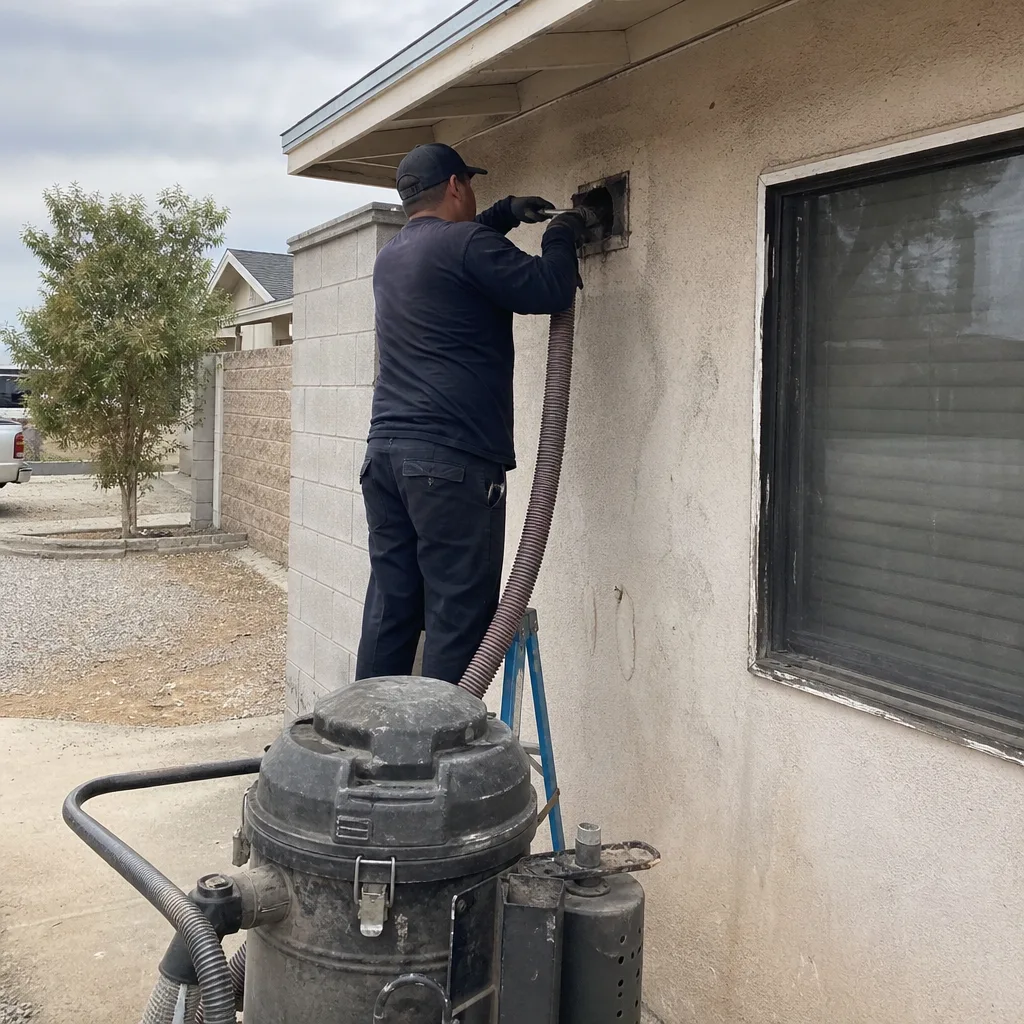 Before
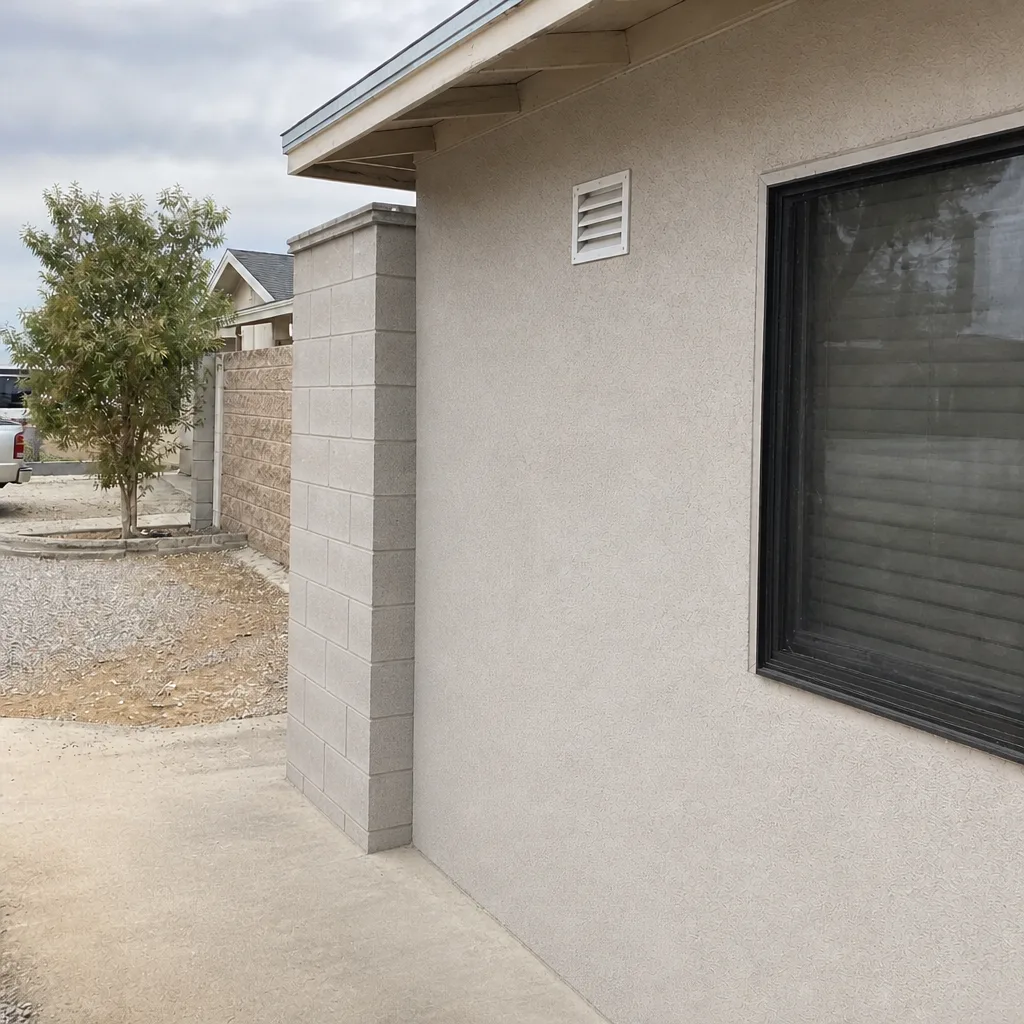 After
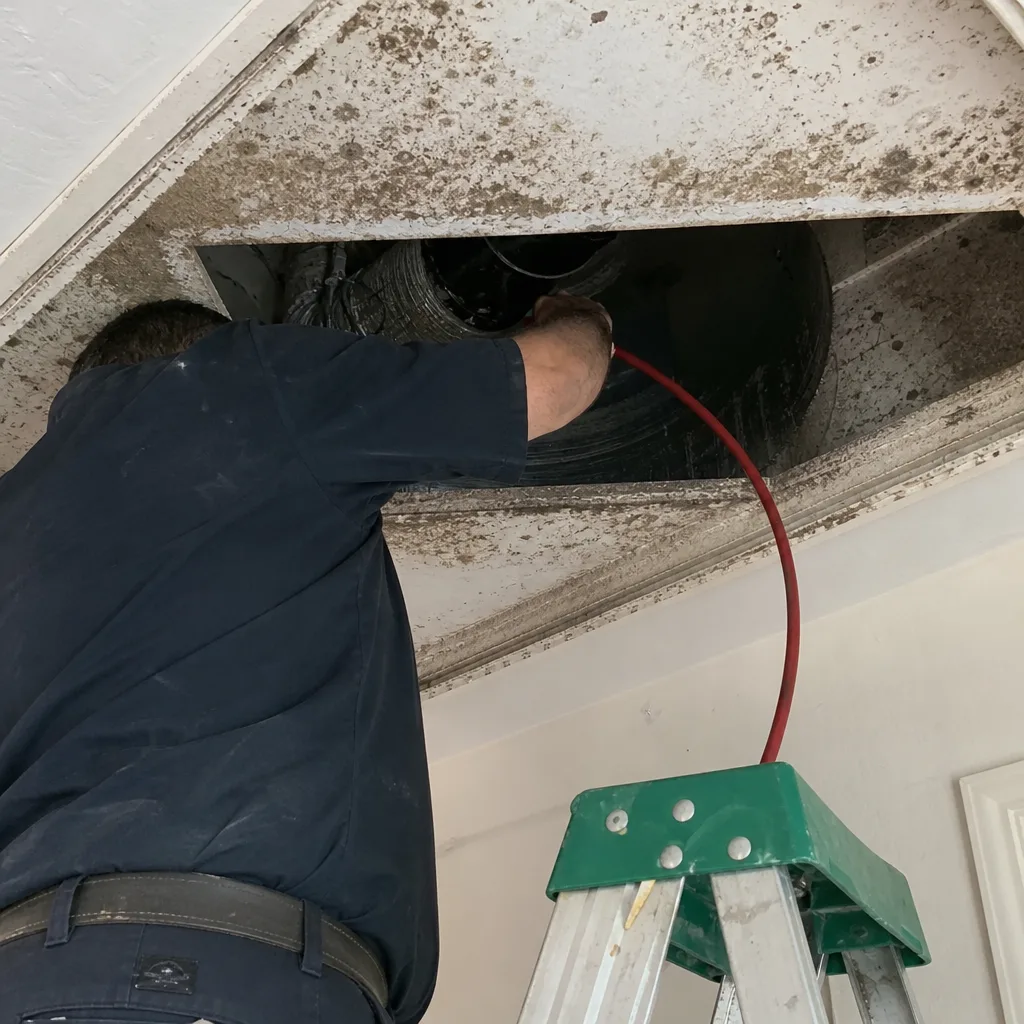 Before
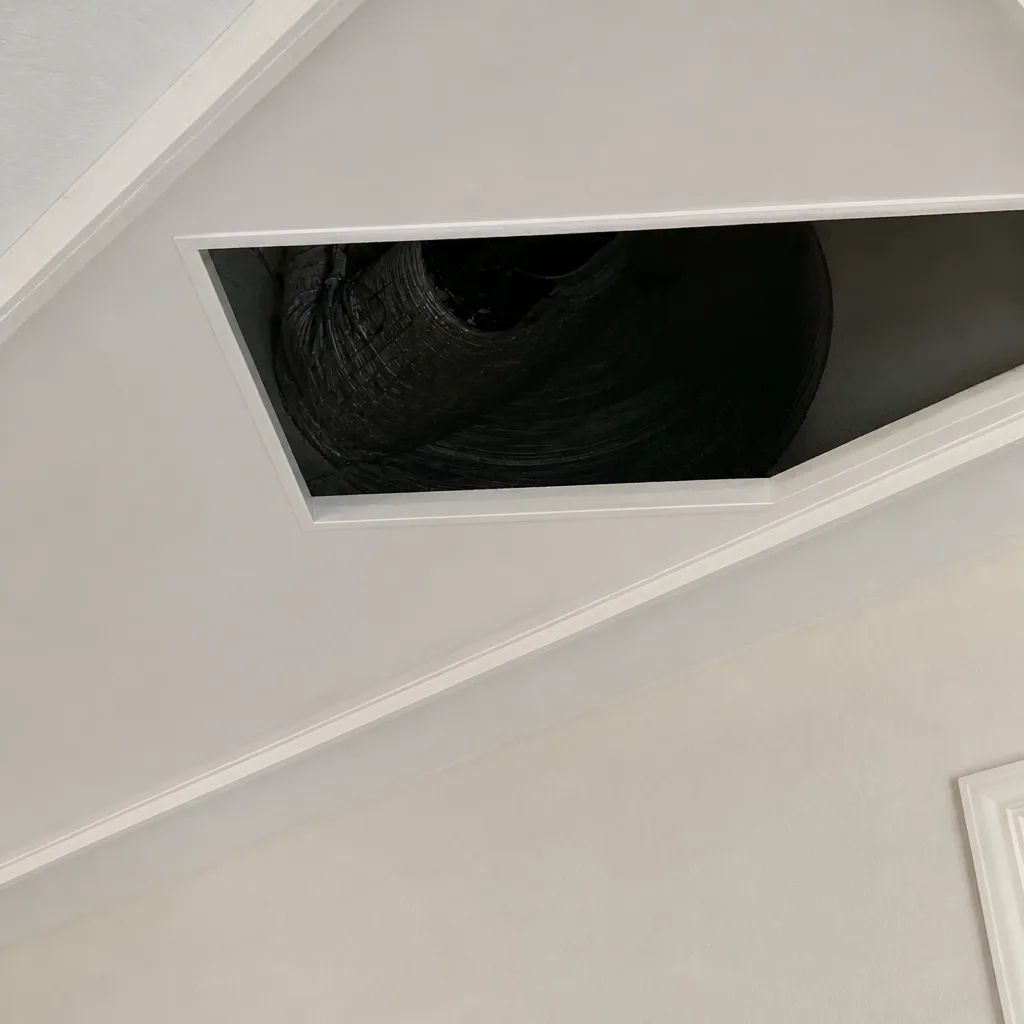 After
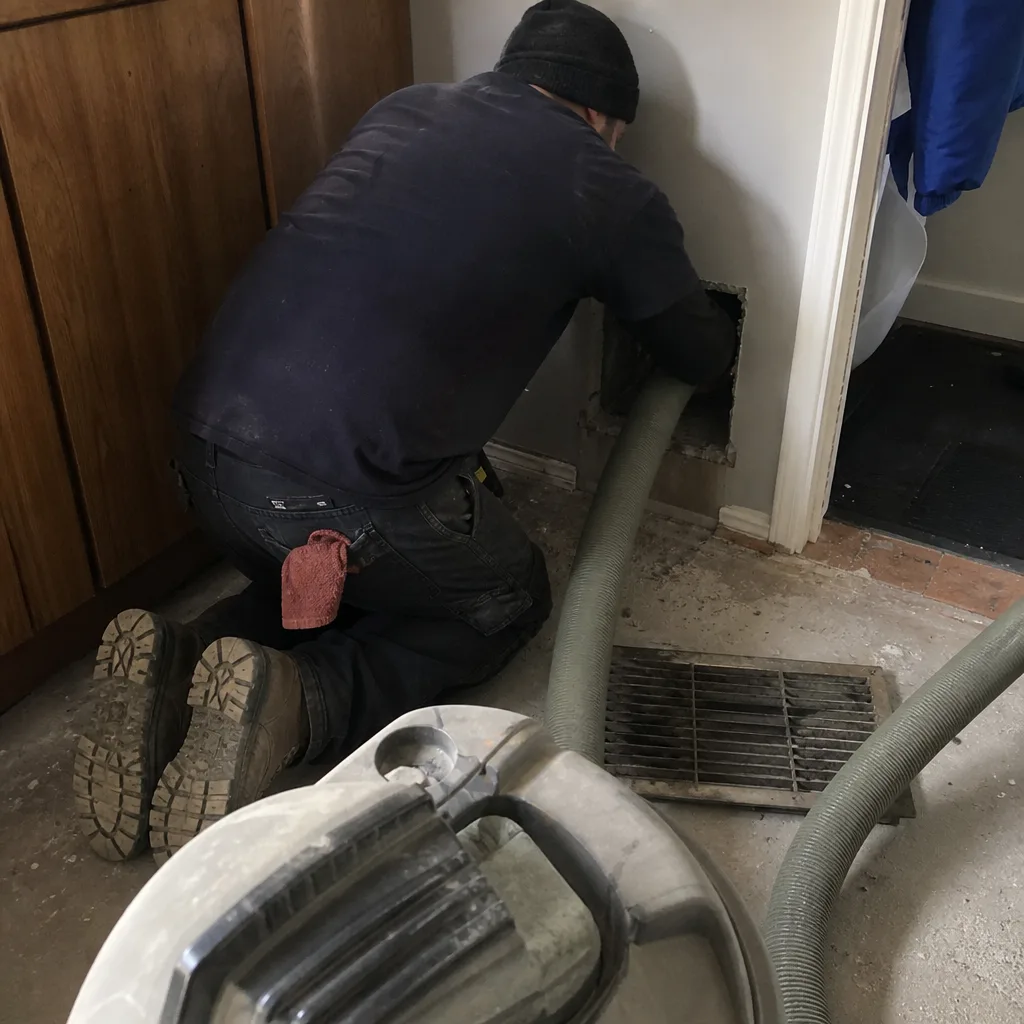 Before
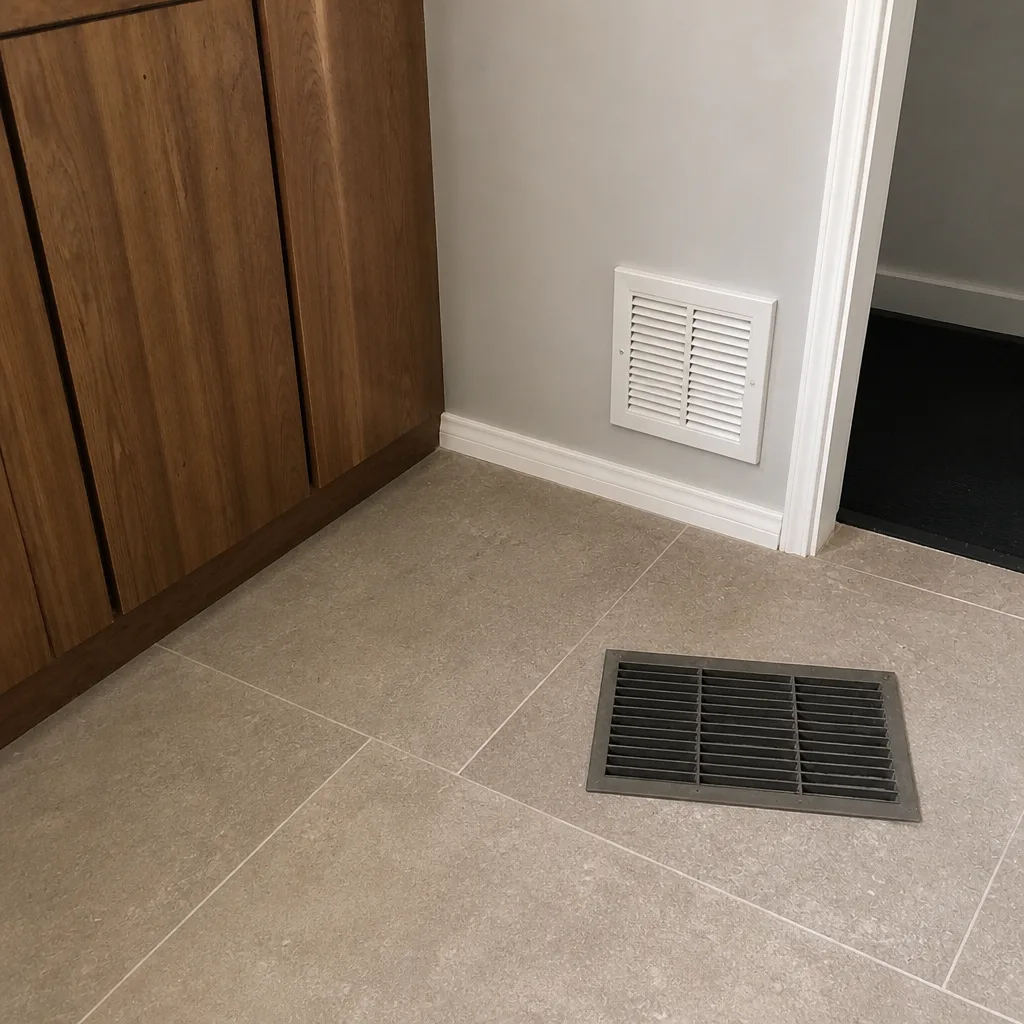 After
When to Call a Professional
Some duct issues are obvious – a visible layer of dust at the registers, a musty smell that gets stronger when the AC runs, or an unexplained drop in airflow at the far end of the house. Others are quieter. A system that’s been running through multiple Enterprise summers without a cleaning is likely overdue, and if the filter hasn’t been changed on schedule, the dust load in the ducts could be significant. Duct damage – disconnected joints, crushed flex runs, leaks at the air handler – is another situation that calls for a professional, both to diagnose and to repair. And if you’re dealing with a dryer that’s taking longer than it should to dry a load, that vent needs attention before it becomes a safety issue. Duct Cleaning Enterprise offers free estimates in Enterprise – call (855) 684-4882. We answer 24/7. Fast dispatch from 7am to 7pm, Sunday through Friday.
Frequently Asked Questions
Air duct cleaning in Enterprise is priced per system, not per vent, with a written estimate setting the final price before work begins. The cost depends on the number of systems, the home’s layout, and whether repair or dryer vent service is added. For a specific quote on your home, call (855) 684-4882 – estimates are free.
Cheaper quotes usually reflect cheaper equipment – a shop vacuum or portable unit instead of a professional-grade rotary brush and high-capacity vacuum, and no containment setup. The sequence still looks like a duct cleaning, but the debris removal is partial. Ask what equipment and air scrubbers will be used before you book.
Ask for before-and-after photos of the duct interiors and a walkthrough of what was cleaned when the job is done. You can also check the registers yourself, feel the airflow at the furthest vents, and confirm that every access point has been sealed and every register reinstalled. For a job you can verify, call (855) 684-4882.
There’s no universal schedule – it depends on the home, the filter maintenance, and the dust load in the area. In Enterprise, where the desert climate and long AC runtime accelerate dust accumulation, many homes benefit from a professional inspection sooner than they expect. If airflow is reduced or registers show visible debris, it’s time to have the system assessed. Call (855) 684-4882 for an estimate.
Both. Duct Cleaning Enterprise provides air duct cleaning, dryer vent cleaning, and air duct repair, so if a damaged joint or disconnected run is found during the job, it can be addressed without hiring a second contractor. That single-provider coverage is one of the reasons homeowners in Enterprise call us.
We work with homeowners across the Henderson area and surrounding communities, including Enterprise. If you’re not sure whether your address is covered, call (855) 684-4882 and we’ll confirm. For the full air duct service, see our air duct cleaning page.
The Bottom Line
The difference between a real duct cleaning and a vacuum-and-leave visit comes down to equipment and sequence. Agitation without negative pressure leaves debris in the ducts. Negative pressure without agitation can’t release debris from the walls. Containment keeps the process clean. And verification – photos, a walkthrough, and a check of the system – is how you know the work was done. In Enterprise, the desert climate and heavy AC runtime make these details matter more, not less. Our technicians have up to 8 years of experience with professional-grade equipment, and we set one flat price per system before work begins. Call (855) 684-4882. We answer 24/7. Fast dispatch from 7am to 7pm, Sunday through Friday.
Written by the team at Duct Cleaning Enterprise.