
Last updated November 16, 2026
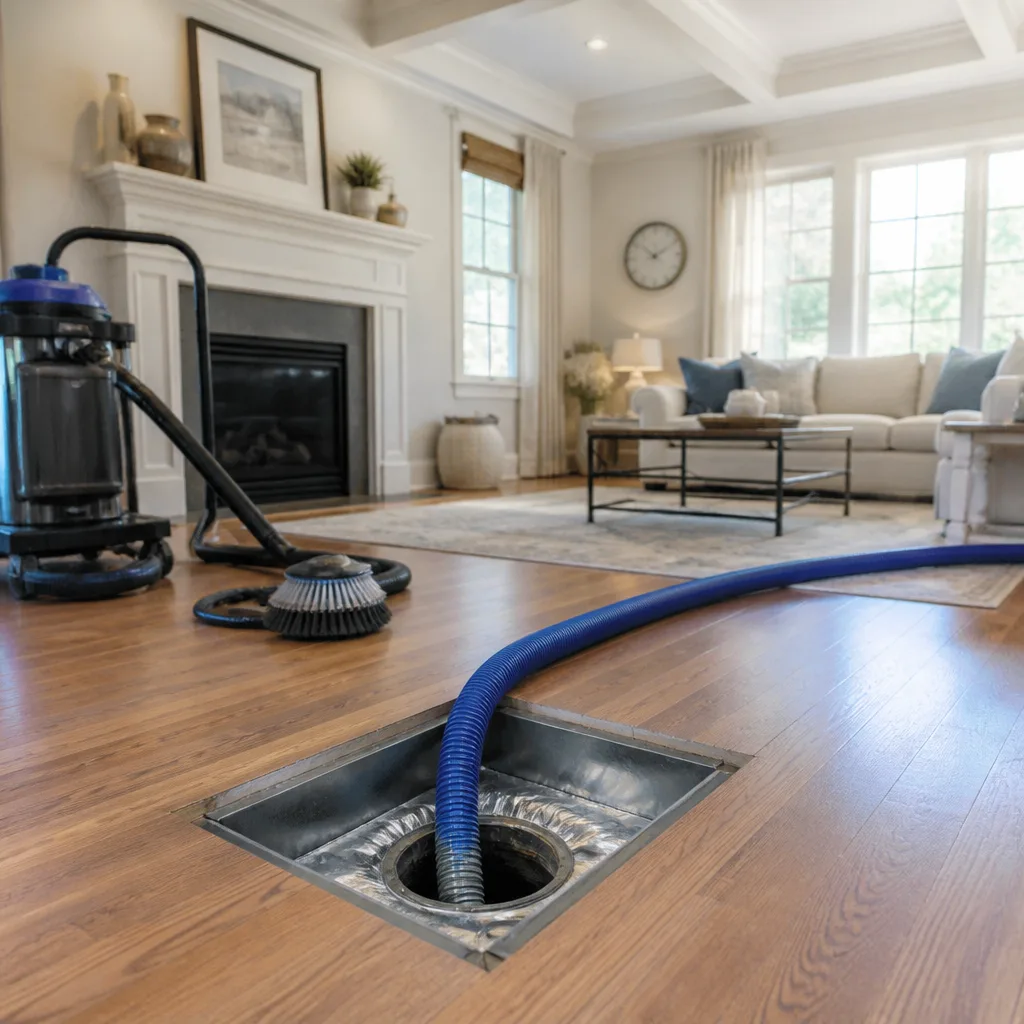 Whole-home duct cleaning
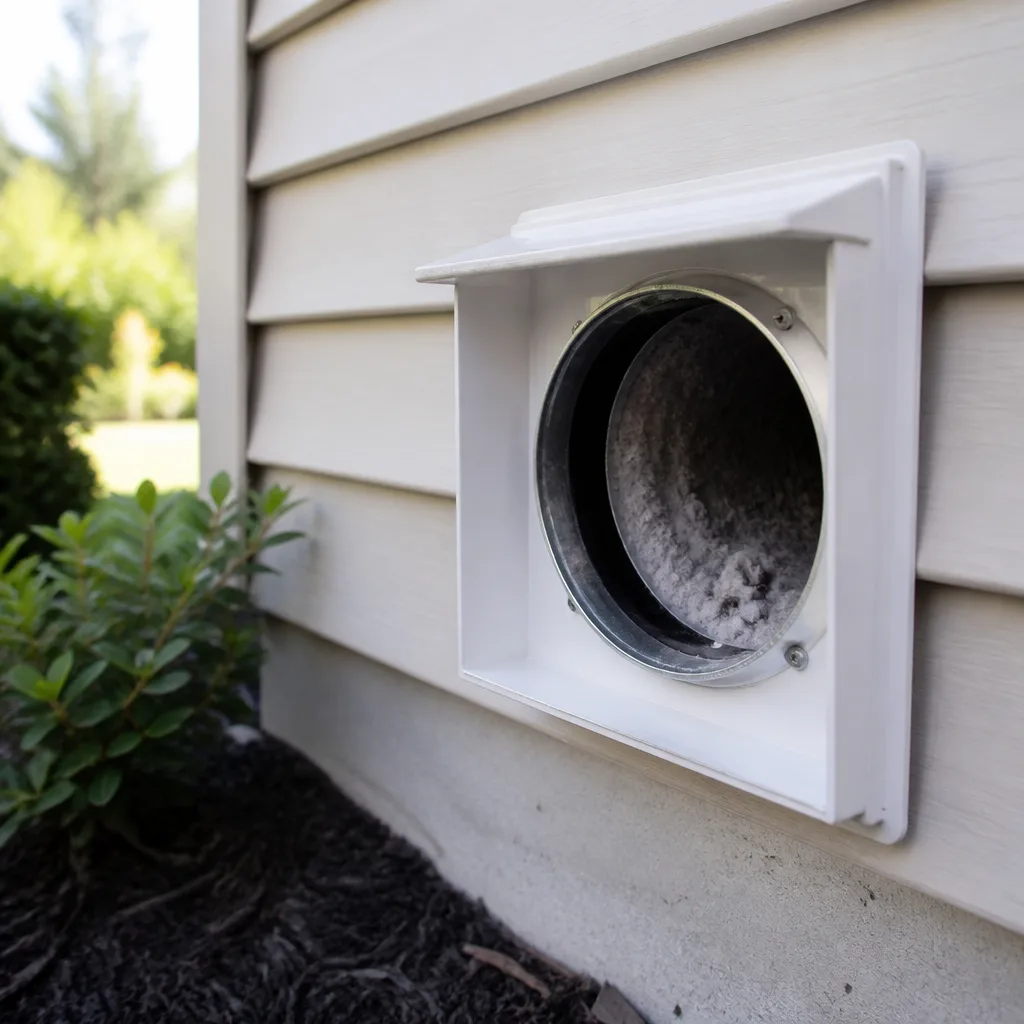 Dryer vent cleaning
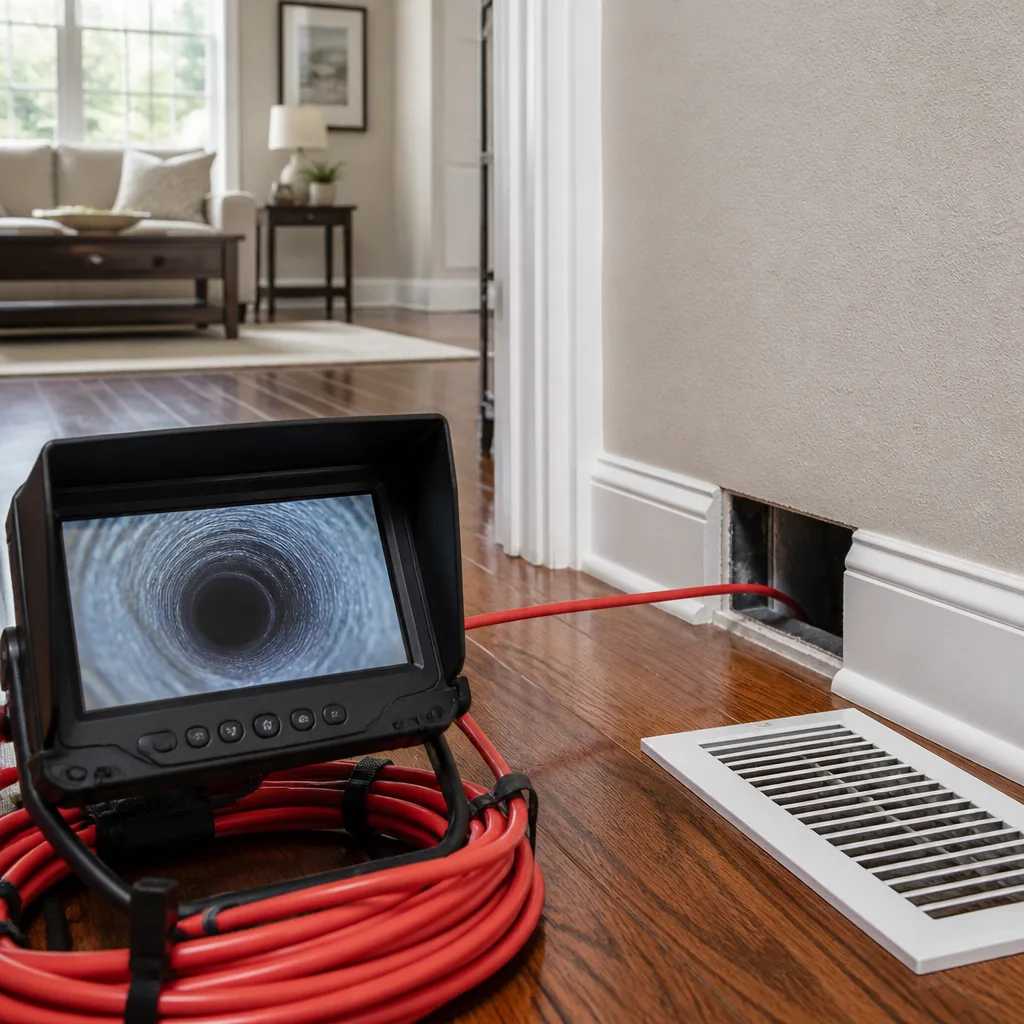 Camera inspection
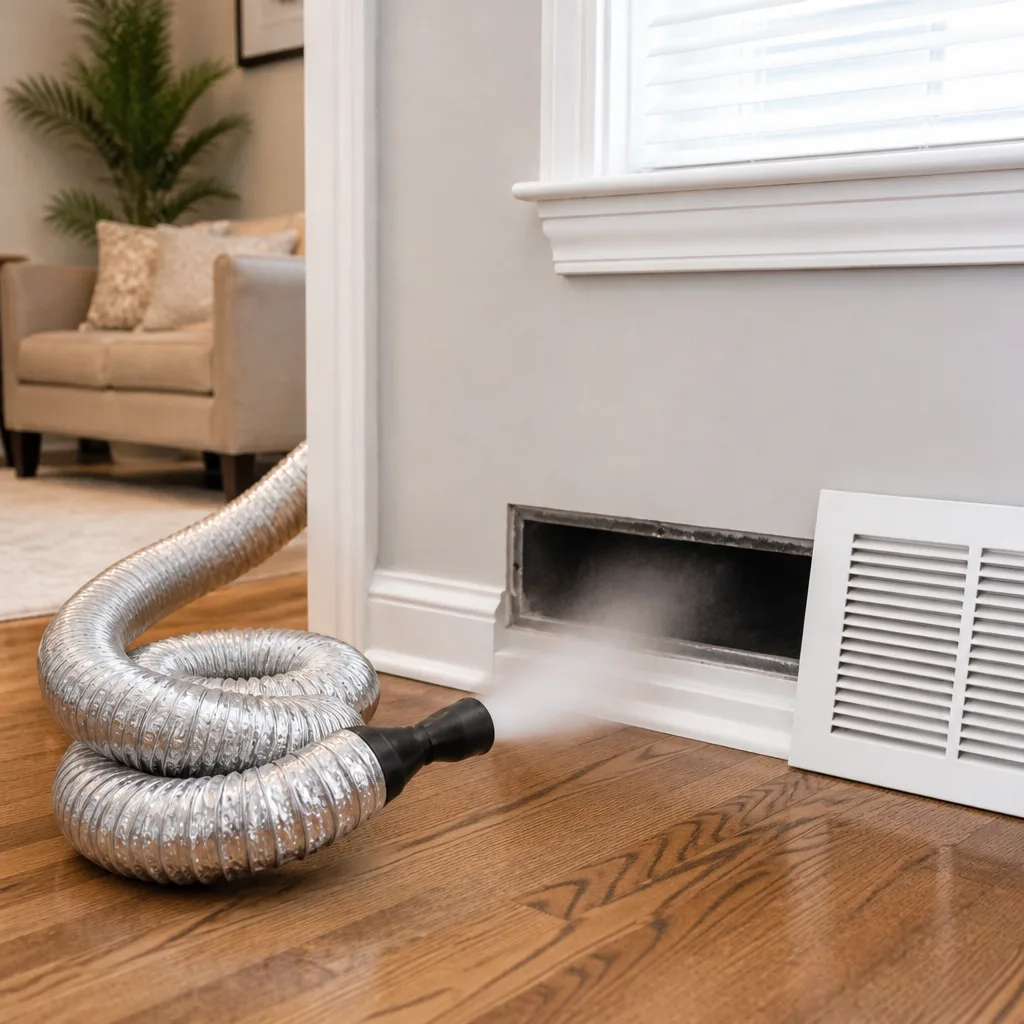 Sanitizing & deodorizing
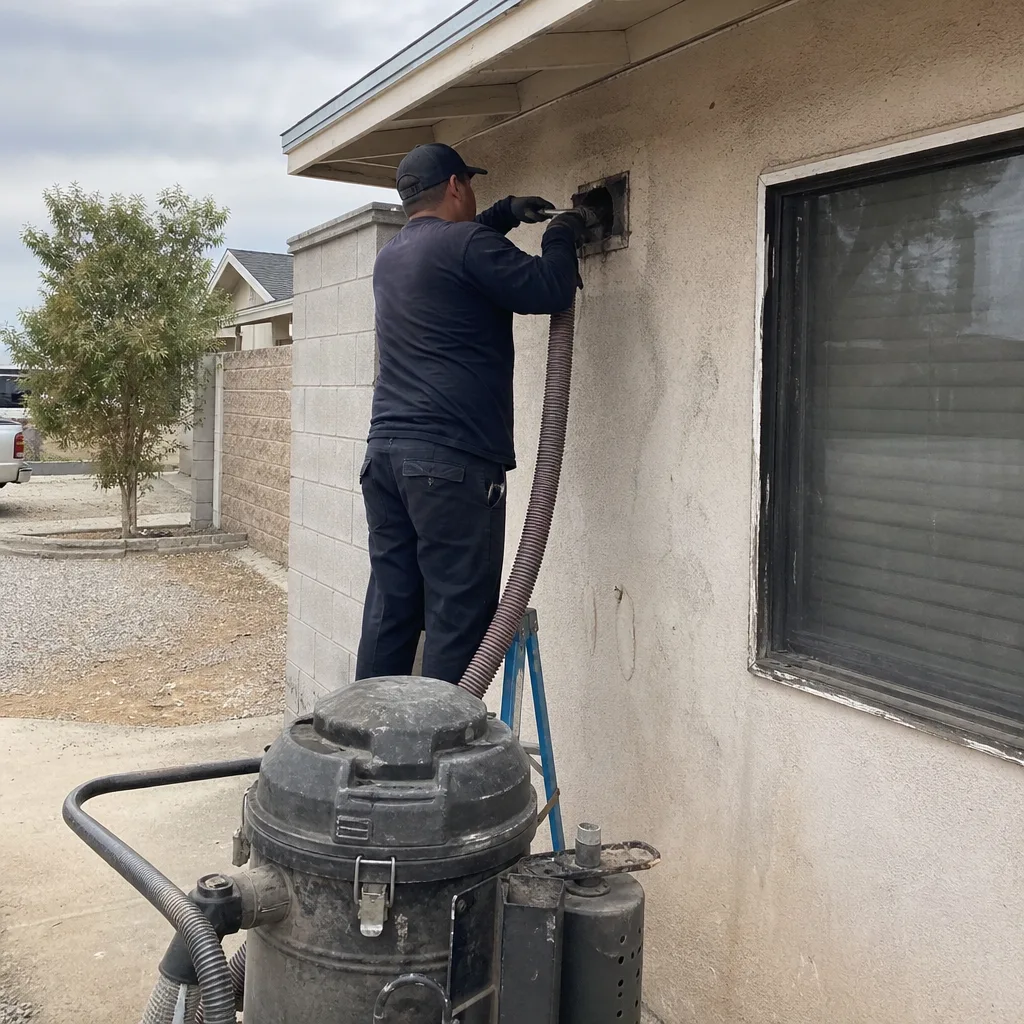
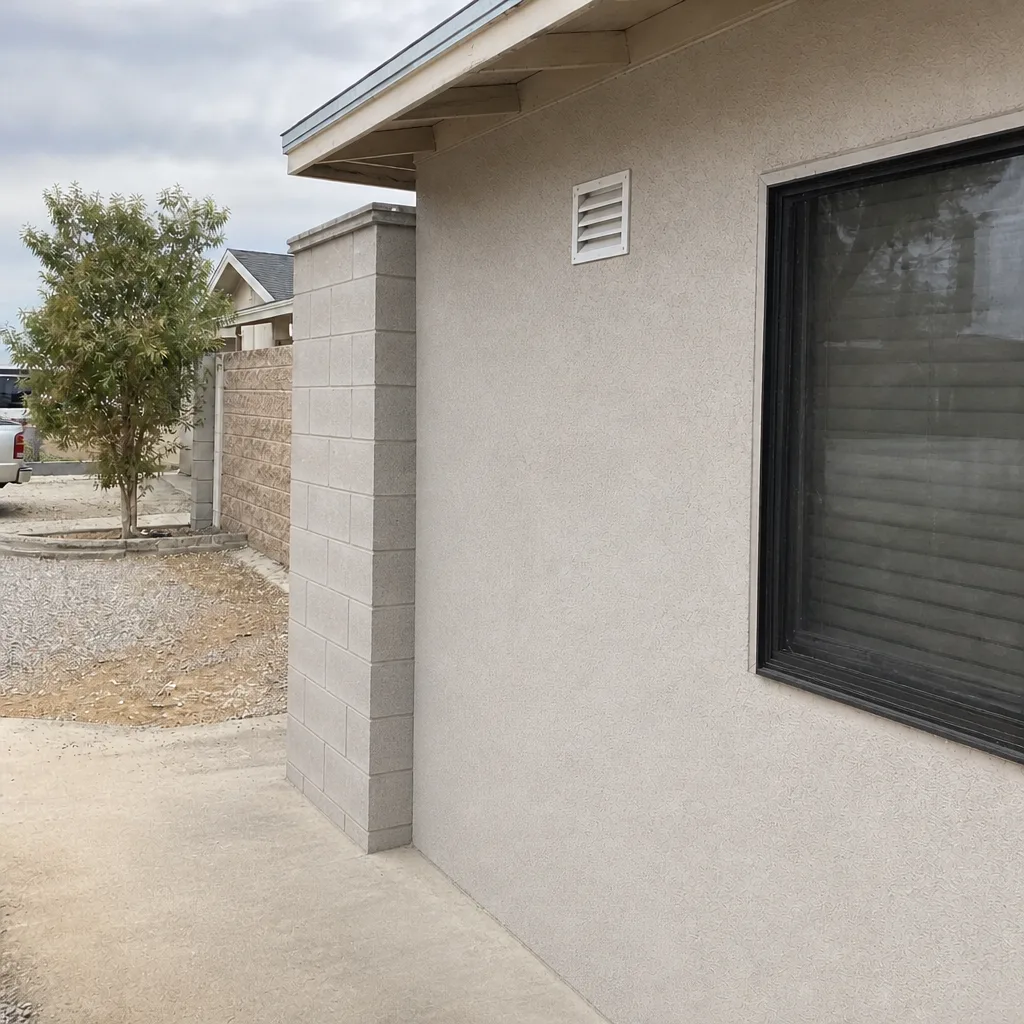
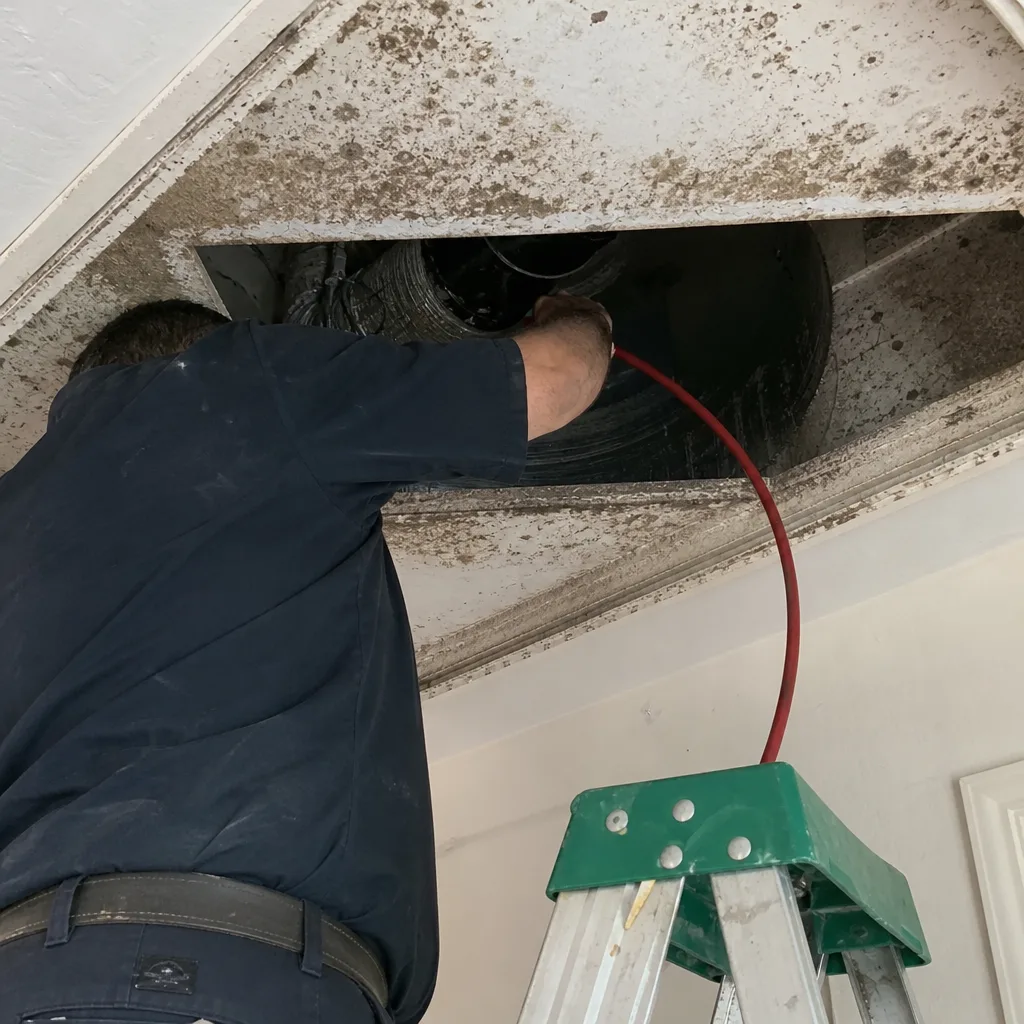
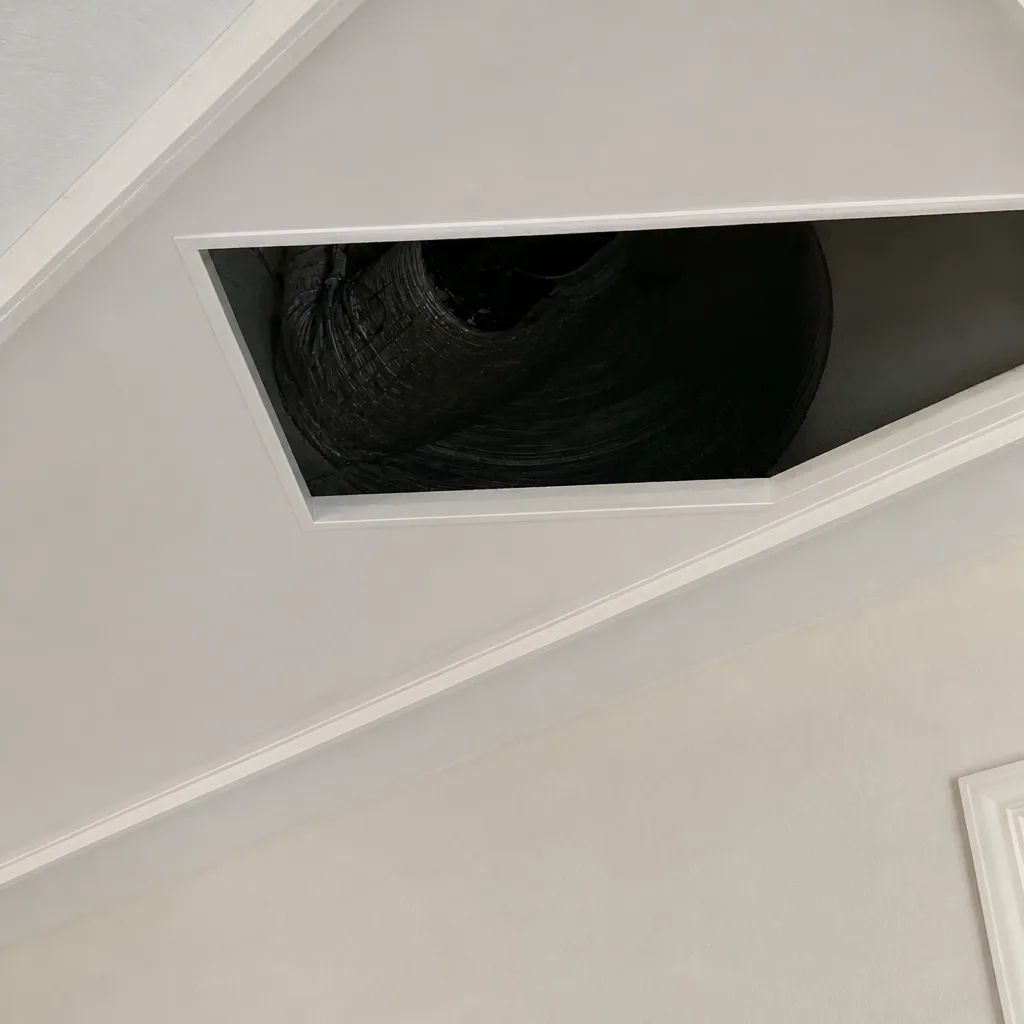
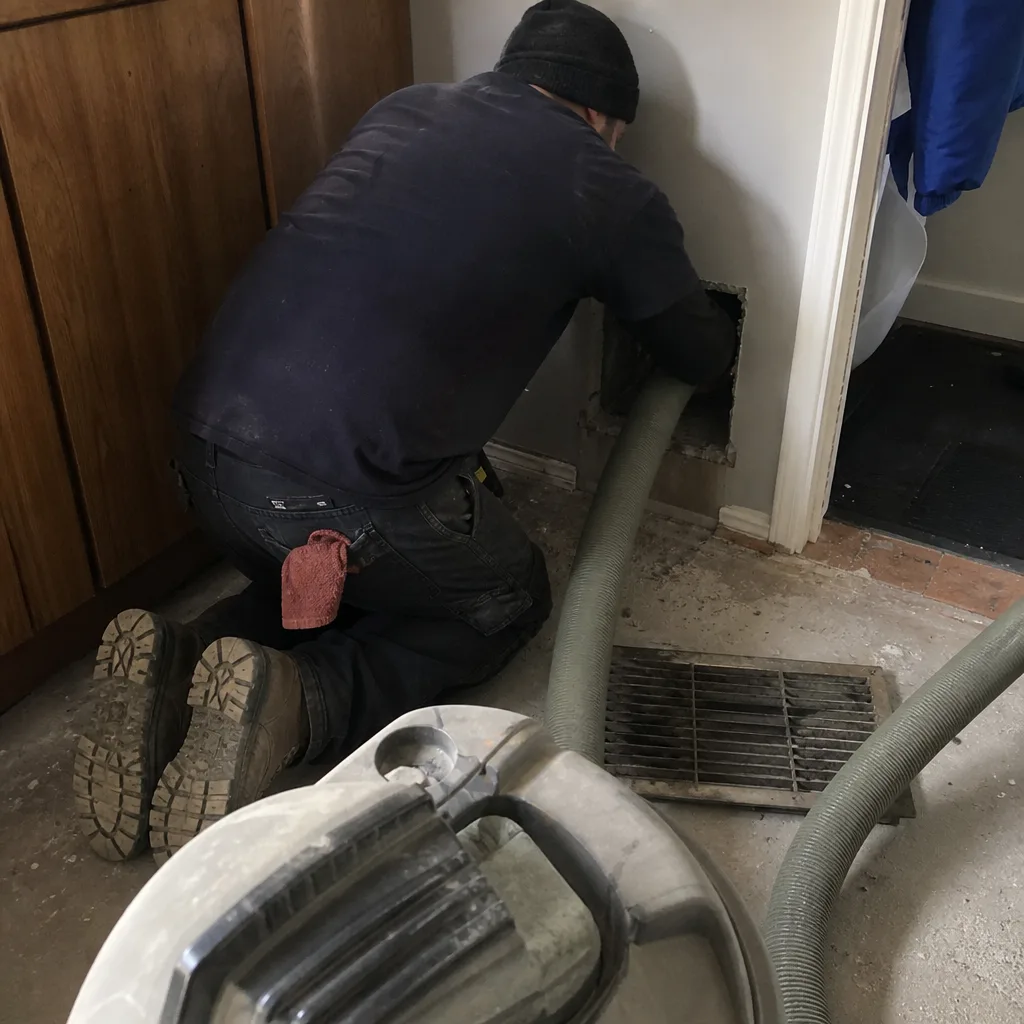
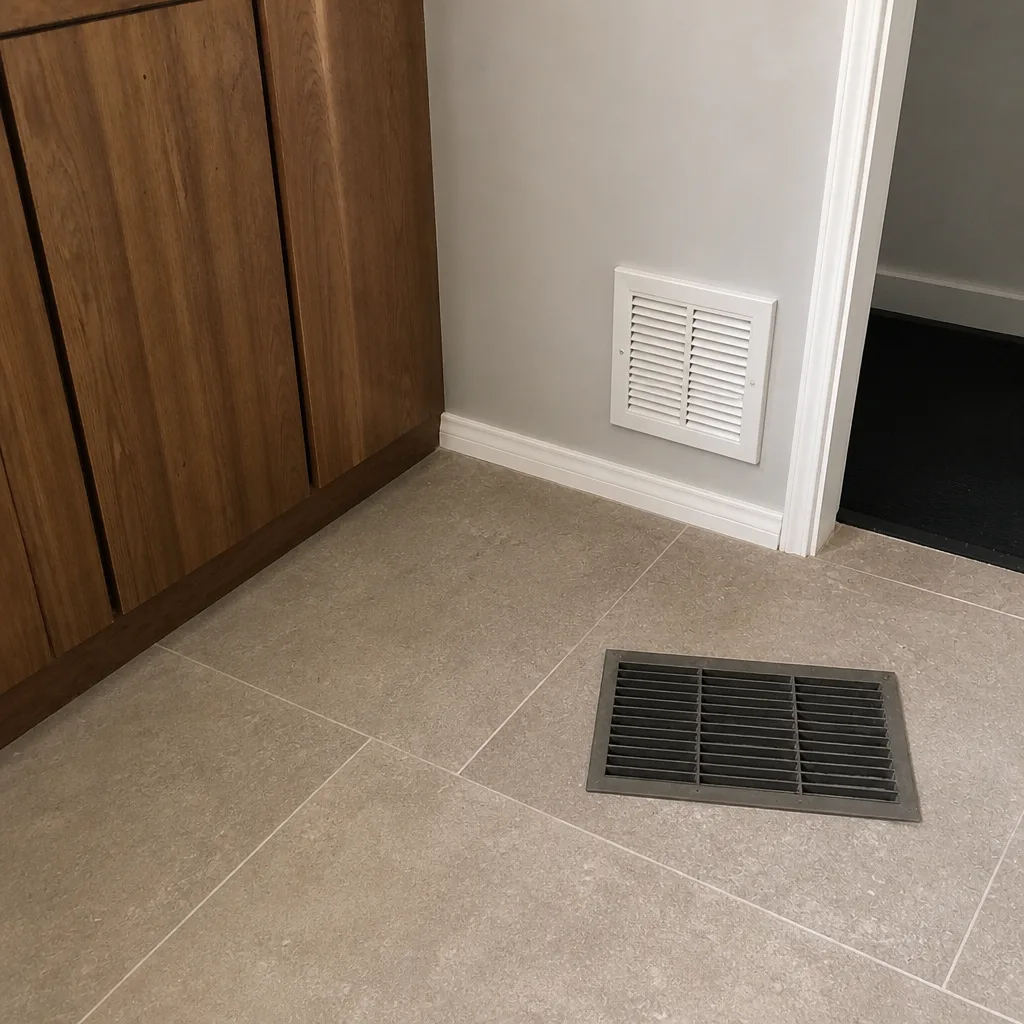
Whole-system duct and dryer vent check with before-and-after photos - you see exactly what came out of your vents
That "$99 whole-house special" is a bait ad - the real number appears once they are in your hallway, or the "clean" is a shop-vac at the register. We photograph the inside of your ducts before and after instead.
DIY vs Professional Air Duct Cleaning: The Enterprise Homeowner’s Decision Guide
A shop vacuum with a brush attachment can clean the first 18 inches of a duct run reasonably well. Past that point, without negative pressure pulling debris toward a collection point, you’re as likely to push dust deeper into the system or scatter it into the room as you are to remove it. That’s not a knock on DIY effort. It’s a description of how airflow and suction direction actually work inside a duct system. This guide walks through what a homeowner in Enterprise can legitimately accomplish on their own, where the physics stops cooperating, and how to tell whether the job you just finished is actually done. We’ll cover equipment you can rent locally, the specific conditions that call for professional-grade machines, and a post-DIY check you can run before you assume the work is complete.
Quick Answer
DIY air duct cleaning is a reasonable first step for surface work: cleaning supply registers, washing return grilles and their frames, wiping the accessible plenum, and keeping the air filter changed. It stops being effective once you move past the first stretch of each run, because handheld vacuums don’t create the negative pressure needed to pull debris back toward a collection point. Professional cleaning with a rotary brush system and HEPA-rated vacuum is what handles the full length of the ductwork, the main trunk, and the debris that’s already settled on horizontal runs. In Enterprise, with the dust load a desert valley generates, most homes past a few years of accumulation land in the professional column unless the system is new or lightly used.
Styles & brands we work with
- Whole-home duct cleaning
- Dryer vent cleaning
- Camera inspection
- Sanitizing & deodorizing
Table of Contents
- What DIY Air Duct Cleaning Can Legitimately Accomplish
- The Physics of Why Suction Direction Matters
- When DIY Is a Reasonable First Step
- When You Need Professional Equipment From the Start
- Equipment Renters Should Know About in the Enterprise Area
- How to Assess Your Ducts After a DIY Attempt
- Why Enterprise Ductwork Loads Differ From Other Markets
- Common Mistakes to Avoid
- When to Call a Professional
What DIY Air Duct Cleaning Can Legitimately Accomplish
There’s real value in the surface layer, and it’s worth doing regardless of what you decide about the deeper work. Register cleaning is the most accessible and most visually satisfying part of the job. The supply registers and return grilles collect the bulk of visible dust because they’re the tightest restriction in the system; air speeds up as it passes through, and particles drop out on the louver faces. A damp microfiber cloth and a mild detergent solution handle that fine. The return grille frame, the metal boot behind it, and the plenum area immediately behind the return are also reachable with basic tools.
What you’re doing in this phase is managing the visible surface of the system, which does help indoor air quality slightly and does make the system look and feel maintained. It does not clear the settled debris on the horizontal runs behind the registers, and it doesn’t touch the main trunk where most of the volume and most of the accumulated dust live. Those areas require moving air, not wiping surfaces.
Here’s the honest scope of what you can do yourself:
- Supply register cleaning: remove the grille, wash it, wipe the boot opening and the first visible few inches of the duct wall.
- Return grille washing: returns are usually larger and easier to access, and the dust load on the face is heaviest here.
- Accessible plenum wiping: the sheet-metal box just above the air handler, if it’s reachable without disassembling anything.
- Filter maintenance: the single highest-value task in the whole system, and one most homeowners neglect.
- Condensate and drain pan check: not duct cleaning, but part of the same maintenance pass and worth a look when you’re already in there.
Anyone in Henderson or the surrounding valley who wants the deeper work done right can book a whole-system cleaning; the surface work above is what you’d do in the meantime, not instead.
The Physics of Why Suction Direction Matters
A duct system is a pressure network, and the debris inside it behaves according to airflow. Supply ducts are under positive pressure when the blower runs, so air (and any loose dust) wants to exit at the registers. Return ducts are under negative pressure, so air wants to travel back to the air handler. When you clean a duct without controlling that pressure, you’re fighting the system. The dust you loosen has somewhere to go, and it isn’t always toward your vacuum.
Professional duct cleaning works because it creates a controlled pressure condition. A high-volume vacuum is connected to the system at a strategic point (usually the main trunk or a return), pulling the entire network into negative pressure. Then a rotary brush or air whip is fed into individual runs and drives debris loose, and it travels toward the vacuum rather than away from it. The Duct Cleaning Enterprise approach relies on that containment-first principle: particulate gets captured where the work is happening instead of escaping into the room.
Compare that to the typical DIY attempt. A shop vacuum attached to a register creates a small local negative pressure. It pulls dust from the first couple of feet. Beyond that, the suction falls off quickly because the duct opening is large and the vacuum is small. Meanwhile, the brush you’re dragging through the duct is dislodging dust that now has no direction to travel. In the worst case, that dust gets redistributed to a section of duct that was cleaner than the one you were working on.
There’s a second physical issue: air changes direction and speed inside duct fittings. A 90-degree elbow, a takeoff, a reducer – each creates turbulence and a low-velocity pocket where dust settles. Without sustained high-volume airflow, those pockets are exactly where the debris stays. Brushing alone won’t clear them; brushing under negative pressure will.
When DIY Is a Reasonable First Step
DIY makes sense in more situations than a professional cleaning company will usually admit. If your home is new construction and the system has been running for less than a year, the dust load is mostly construction residue that a thorough surface clean and a filter change will handle. If you’re dealing with a system you’ve maintained well and you’re just doing routine upkeep, register cleaning plus regular filter changes is genuinely sufficient. If a recent small project – replacing a bathroom fan, patching drywall, moving furniture – kicked up dust and you want to knock it down without booking a service, DIY handles that.
A simple decision test helps:
- How old is the system? Under five years with regular filter changes, DIY is often enough for routine upkeep.
- What’s the visible dust load at the registers? Light, uniform surface dust after a cleaning cycle is fine. Heavy build-up that returns within weeks isn’t.
- Have you had recent renovation or moisture events? If yes, go straight to the pro-required section; DIY doesn’t clear the debris these leave behind.
- How many pets and what kind? A single short-haired cat is manageable. Two shedding dogs in a tight house is a different system load.
- How does the air feel? If you notice visible dust settling on furniture quickly or allergy-type irritation inside vs. outside the home, the system is likely loaded.
Situations where DIY is a reasonable first step: a new build’s first cleaning, a light dust event after a small project, a system you know the history of, and a home where you’re doing weekly filter checks and the system is well-sealed. Anyone in a home with flex duct should stop here and consider professional evaluation; flex duct is easy to damage and hard to clean without the right equipment.
When You Need Professional Equipment From the Start
Certain conditions push the job straight into the professional column, and trying to handle them with a shop vacuum is a waste of your time and possibly a problem for the system.
Heavy pet dander load. Dander is fine, sticky, and reaches deep into duct walls. It binds to dust and creates a film that brushing alone won’t remove; you need rotary brush contact under continuous negative pressure. Homes with multiple pets and adults with atopic tendencies see the biggest spread between DIY and professional outcomes.
Post-renovation dust. Drywall dust is the worst-case debris for a duct system. It’s fine enough to travel the full length of a run, it settles into every fitting, and it can coat a coil. Renovation dust needs a genuine whole-system clean. Some builders and drywall crews will block registers during work; even then, the debris that’s already in the system needs removal.
Moisture events. If the system has been exposed to water (a condensate overflow, a monsoon-season leak, a plumbing failure), the concern isn’t just cleaning – it’s whether microbial growth is present on the duct liner or insulation. That’s a professional assessment, and the response is different from a dust clean.
Visible debris at the registers. If you can see actual material falling out of the ducts when the system runs, the system is past the surface-clean stage.
Duct damage or disconnection. A sagging flex run, a disconnected takeoff, a crushed section behind drywall – none of these are cleanable, and none are DIY-diagnosable without airflow measurement. This is where the repair side matters, and it’s why a whole-system assessment often finds more than just cleanable dust.
If any of the above applies, professional cleaning is the more efficient answer. Book air duct cleaning and let the technician tell you what the system actually needs.
Equipment Renters Should Know About in the Enterprise Area
Some homeowners will want to rent better equipment and try a more thorough DIY approach. That’s a fair decision, and it helps to know what’s actually available and what it can do. Rental yards and home centers in the Henderson and Enterprise area carry HEPA-rated wet/dry vacuums and brush attachment kits, and some carry higher-CFM shop vacuums in the 150-250 CFM range. None of these match professional duct cleaning machines.
What the numbers mean in practice:
- Typical shop vacuum (5-6 peak HP, ~150-200 CFM): adequate for surface cleanup and register work. Not adequate for whole-system negative pressure.
- HEPA-rated wet/dry vacuum (12-16 gallon, ~200-250 CFM): better filtration, so the dust that does get captured stays captured. Same limitation on system-wide suction.
- Professional rotary brush system (Rotobrush or similar, coupled to a HEPA vacuum): the rotating brush action drives debris loose while the vacuum holds the system negative. The combination is what makes it a whole-system clean rather than a local one.
- Abatement Technologies air scrubbers: used as a containment step to keep particulate from escaping into the living space during the work. Not something renters can source at a home center.
The honest summary: renting gets you better surface performance and better filtration, not a different job. If you rent, focus on registers, returns, plenum surfaces, and the accessible first stretch of each register boot. Skip the main trunk; without the rotary tool and the correct vacuum connection at the trunk, you’re likely to make the trunk cleaner in one spot and dustier in another.
The other reason renters shouldn’t go deep: duct fittings and flex sections are easy to damage with the wrong tool. Repairing that damage costs more than the cleaning saved. If you want the full system clean, book professional cleaning and use the rental budget for a good quality filter instead.
How to Assess Your Ducts After a DIY Attempt
Once you’ve done a DIY cleaning pass, there’s a practical way to figure out whether professional follow-up is warranted. Do this assessment a few days to a week after the cleaning, not the same day; you need the system to run through a normal cycle to see what settles where.
- Check each register with a flashlight after the system has run for several hours. Light uniform dust is normal. Streaks of dust concentrated on one side of a register (usually the side closest to the plenum) suggest debris is still being pushed to that register from the run behind it.
- Look at the return grille face and the filter itself. A filter that loads up visibly within two weeks of a DIY cleaning means debris is still traveling. A filter that stays clean for the normal interval suggests the system is genuinely clear.
- Wipe the return plenum interior with a white paper towel. A light grey film is normal habitation dust. A heavy dark smudge means settled debris is still present above the return.
- Check airflow at each register with your hand. Airflow that’s noticeably weaker at some registers than at others (especially on the far end of a run) can point to a partial blockage, a disconnected duct, or a crushed section. That’s a diagnosis, not a cleaning task.
- Notice visible dust on furniture within a week. A light additional settling is normal as the system equilibrates. A heavy re-coat means the system is still redistributing what the DIY clean didn’t remove.
- Ask how the air feels in the rooms farthest from the air handler. Air that feels stale or that triggers irritation in far rooms but not near ones is the most common sign of a still-loaded duct run.
If two or more of these point the same direction, book a professional assessment. If none do, your DIY clean held up and the next item on the list is filter maintenance, not a service call. Our technicians have up to 8 years of experience running exactly this kind of follow-up assessment, so the diagnostic side is as useful as the cleaning itself.
Why Enterprise Ductwork Loads Differ From Other Markets
Enterprise sits in the Las Vegas Valley, and the climate shapes what ends up in a duct system here in ways that coastal or humid-climate guides don’t describe. The valley generates a lot of airborne dust – it comes in off the surrounding desert, off construction sites, off unpaved lots, off wind events, and off the simple fact that in dry air, fine particulate stays suspended longer than it does in humid regions. Homes here see the system collect dust faster than a homeowner relocating from a wetter climate expects.
Two practical consequences:
- Filter intervals deserve more attention than the manufacturer’s label suggests. A filter rated for three months in an average climate often needs replacing sooner in the valley, especially in summer when the system runs hard and dust events are more frequent.
- Cooling load runs long, which means the system distributes dust for more hours per year. That’s not a duct defect; it’s the operating condition. It means the settled debris in the ducts is a moving target – cleaning resets the baseline, but the baseline drifts back up faster here than elsewhere.
Enterprise homes also tend to be tight, well-sealed builds – good for energy efficiency, but the duct system carries a bigger share of the indoor air quality load because there’s less natural air exchange. That’s why a whole-system clean, plus attention to the filter-to-register chain (the part of the system daily dust load passes through), is worth more here than the DIY surface work alone.
The frequency question is honest: most Enterprise homes land in the professional cleaning column when the system has run several years without it, or when there’s been a renovation event, a pet change, or a moisture event. Between those, filter maintenance plus a register cleaning pass keeps things steady. When the whole-system clean is the right call, book air duct cleaning for Henderson and the surrounding valley.
Common Mistakes to Avoid
- Cleaning from the register back toward the main trunk without negative pressure. You’re almost certainly pushing debris deeper rather than removing it, and the system is going to redistribute that dust into the living space.
- Using a shop vacuum without a HEPA filter on a system you suspect contains fine dust. Standard paper filters capture the large debris and exhaust the fine particles into the room. If the vacuum doesn’t say HEPA, it isn’t filtering what you need filtered.
- Dragging a brush through flex duct. Flex duct has a wire helix inside the liner, and a stiff brush will tear it. Once the liner is damaged, airflow drops and the duct needs replacing, not cleaning.
- Skipping the return side. Returns carry the biggest dust load because they pull air off the floor and out of the living space. Cleaning only the supply side misses the dirtiest part of the system.
- Assuming a new-build home doesn’t need cleaning. Construction debris – drywall dust, sawdust, framing dust, and packaging bits – settles into the system during the build. The first clean on a new home is usually warranted, and it’s easiest to do before move-in.
- Cleaning without checking that the registers and boots are re-sealed afterward. A loose register or a torn boot connection leaks more dust into the living space than the cleaning removed.
- Replacing the filter but not checking the filter slot seal. An unfiltered bypass around the filter pulls dust straight into the air handler and coats the coil. The filter matters only if all the air goes through it.
When to Call a Professional
Call a professional when the DIY assessment points to load deeper in the system than surface work can reach, when there’s been a renovation, a moisture event, or a pet-load change, or when you notice airflow differences or visible debris at the registers. Call when you’ve cleaned the registers more than once in a season and they’re loading up quickly again. Call when you’re not sure what’s happening but the air doesn’t feel right. Duct Cleaning Enterprise offers free estimates in Enterprise, and the written estimate sets the price before work starts – call (855) 684-4882. We answer 24/7. Fast dispatch from 7am to 7pm, Sunday through Friday. Our technicians have up to 8 years of experience and use professional-grade Rotobrush rotary-brush systems with HEPA-rated Nikro vacuum equipment, plus Abatement Technologies air scrubbers to keep particulate out of the living space during the work. We also handle dryer vent cleaning and duct repair under the same roof, so a cleaning visit that turns up a damaged run doesn’t become a second appointment with a second company.
Frequently Asked Questions
Whole-system air duct cleaning in Enterprise typically falls in the range of a few hundred dollars for a straightforward single-family home, with the final number set by the written estimate after the technician sees the system, the number of runs, and the level of accumulation. Beware any quote that beats the market by a wide margin. Per-vent pricing and teaser coupon prices are the two most common sources of billing surprises in this trade. Call (855) 684-4882 for a free estimate and an honest range for your system.
Cheap quotes usually reflect one of three shortcuts: a shop vacuum instead of a rotary brush and HEPA vacuum, no containment (no scrubbers or plastic barriers, so dust goes straight into the room), or a per-vent pricing structure that bills you per register regardless of how much of the run actually got cleaned. A proper whole-system clean takes time and equipment, and the price reflects that. The written estimate should specify what’s included. Call (855) 684-4882 to talk through what a proper job on your system covers.
Ask for before-and-after photos of your own ducts. A professional clean should produce visible evidence: the register interiors, the plenum, and the main trunk should all show a clear difference. A legitimate company will also walk you through what was found, what was cleaned, and what (if anything) needs repair. If a contractor can’t show you what changed, that’s the answer. Call (855) 684-4882 and ask how the process is documented.
Most Enterprise homes land in a several-year cleaning interval, with shorter intervals if there are pets, if anyone in the household is sensitive to dust, or if there’s been a renovation. Regular filter changes do more between cleanings than most homeowners realize; the manufacturer’s interval is a starting point, and in the valley the practical interval is often shorter. Call (855) 684-4882 to talk through the filter-and-cleaning schedule for your situation.
It can, in two specific ways: without negative pressure, brushing a duct can redistribute debris deeper into the same run or into adjacent ones, and a stiff brush dragged through flex duct can damage the liner. Neither happens on the surface work (registers, returns, plenum wiping), which is why that surface layer is worth doing yourself. Adding a rented rotary attachment doesn’t fix the pressure issue; going all the way to the main trunk requires the equipment. Call (855) 684-4882 and ask whether your system is worth a full clean or just filter maintenance.
Yes, typically. Construction debris – drywall dust, sawdust, framing residue, packaging bits – settles into the system during the build, and the first clean of a new home is worth booking before you move in. It’s easier on an empty house and gives you a known-good baseline to maintain from. Call (855) 684-4882 to schedule a new-build clean in Enterprise.
The Bottom Line
DIY air duct cleaning has real value at the surface: registers, returns, and the accessible plenum are worth cleaning yourself, and filter maintenance is the highest-value thing you can do in the system between cleanings. The limits come from physics, not effort. Without negative pressure across the whole system, you’re moving dust rather than removing it, and that becomes a problem the moment the load is deep. Enterprise homes tend to accumulate dust faster than average because of the valley climate and long cooling season, so the professional column fills faster here than most DIY guides assume. Use the assessment steps, follow the filter schedule, and when the answer is “book the clean,” call (855) 684-4882 for a free estimate. The written estimate sets the price. Our team documents the work with before-and-after photos of your own system, and we handle cleaning, dryer vent service, and duct repair without handing you off to a second contractor.
Written by the team at Duct Cleaning Enterprise.
See the difference
 Before
 After
 Before
 After
 Before
 After